
Table Of Contents
- How Painful Are Kidney Stones & What Are The Pain Areas?
- How painful are Kidney Stones?
- Where Does Kidney Stone Pain Occur?
- What is the Pain Area for Kidney Stones?
- Conclusion
How Painful Are Kidney Stones & What Are The Pain Areas?
Pain is one of the most common symptoms of kidney stones. Most patients are usually worried about how painful kidney stones are or about specific pain areas for kidney stones. As you understand the kidney stone pain location, it can help you manage the overall pain and discomfort easily.
How painful are Kidney Stones?
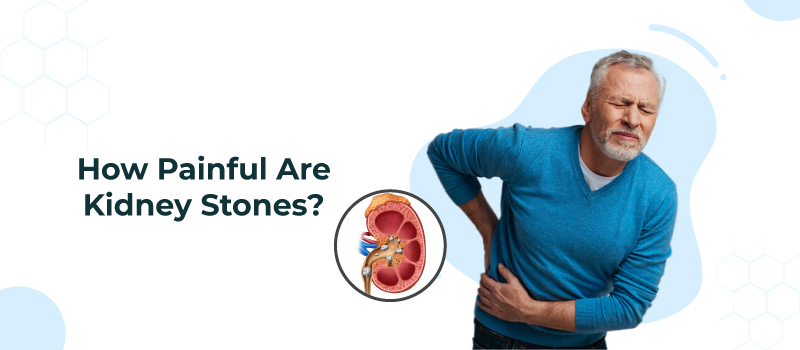
In some cases, kidney stones can be excruciating. Most people describe the pain as passing a stone, even worse than childbirth (women patients). It is crucial to understand that kidney stone-related stomach pain will indeed vary from one person to another.
Some might experience kidney stone testicle pain, while others might struggle with kidney stone groin pain. Whether you deal with right-side pain from kidney stones or back pain from kidney stones, the ultimate location of the pain might differ. When the stone is not causing any blockage, it can easily pass down the urinary tract. As such, it will not lead to any pain.
Where Does Kidney Stone Pain Occur?
Whatever the location of the kidney stone pain—in your back, groin, testicle, or stomach—it is crucial to look into the pain areas of kidney stones.
You can regard your urinary tract as the plumbing system of the body. The kidney is responsible for producing urine. Eventually, it is spilled into the ureter, a tiny tube capable of transporting urine from the kidney to the urinary bladder. The bladder eventually gets filled up and emptied when you urinate.
The theory of passing the kidney stone implies a stone (of varying sizes) traveling from the kidneys to the urinary bladder, eventually across the ureter’s length. The stone might leave the urinary tract with the help of the urethra.
A stone that passes through your urinary tract might get painful, as your kidneys are sensitive organs. When a stone ends up blocking the passage of urine across the urinary tract, stored or blocked urine can start putting pressure on the kidneys, leading to excruciating pain.
The kidney itself does not have nerves depicting pain fibers. However, the tissues that surround the organ, known as the capsule, contain ample nerve fibers that are capable of transmitting pain. Blocked urine will eventually swell up and expand the tissues or capsule. This inflammation activates the surrounding nerve fibers, leading to signals that the brain interprets as severe.
In some cases, stones can also turn out to be painful as they continue traveling down the ureter. It is because the ureter spasms as it tries to push the stone down the urinary tract.
What is the Pain Area for Kidney Stones?
It is important to understand that not all pain arising from kidney stones is of the same intensity. For instance, the location of kidney stone pain can alter as the stone continues moving from the kidneys to the bladder. When the stone moves through the ureter, you might experience pain in the side, back, or flank.
At the same time, if the stone gets stuck at the point where the kidney connects to the ureter, the resulting pain could be severe. There is no particular position in which the individual might feel comfortable. This type of pain usually appears as spasms, coming and going in a cycle of 10 or 30 minutes. The pain can ultimately radiate to the groin area as well as the thigh’s front.
Once the kidney stones are successful in moving down to the ureter while getting close to the urinary bladder, the person can experience pain in the groin, stomach, or abdomen. In some cases, men tend to experience this pain in the testicle area.
As the stone continues moving down the ureter, it sometimes mimics the pain and discomfort of other health conditions. For instance, when the kidney stone is positioned on the right side, it feels like appendicitis. On the other hand, when the stone is positioned on the left side, some might mistake it for the pain associated with the inflammation of the large or small intestine.
Conclusion
It can take hours, days, or even weeks to pass down a kidney stone through the urethra. The level of pain you experience during the process will vary depending on the size of the stone and its location in the body.