
Prostate Cancer Care
at AINU Hospitals

Prostate Health Calculator

Men It's time to check your prostate health

  • 2 minGet your personal prostate health report
  • IPSS (International Prostate Symptom Score)Based score
  • 100%Confidential
Check Your Score
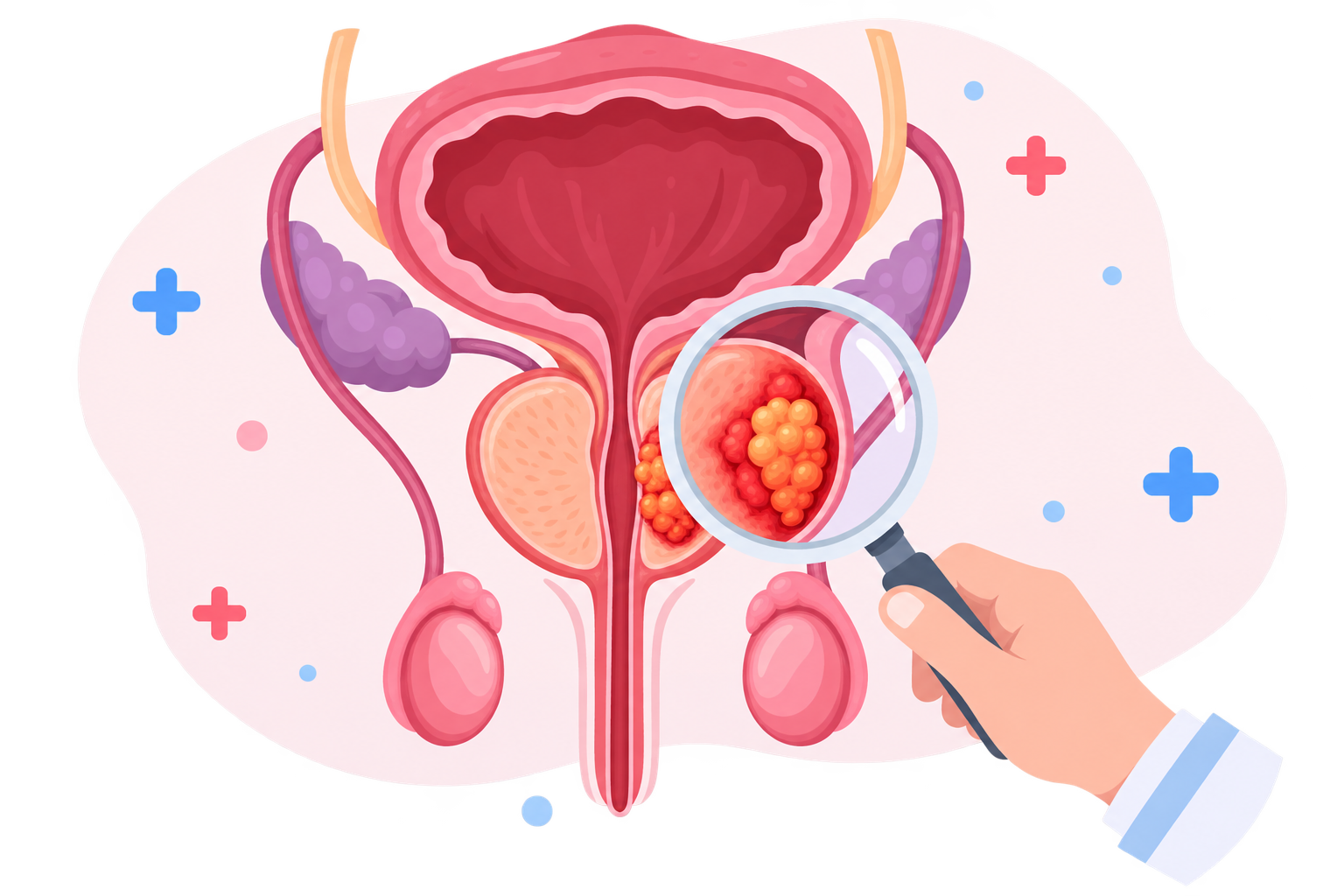
Prostate and bladder health illustration
8+
Locations Across India
6L+
Lives Touched
60K+
Surgeries
20,000+
Stone Procedures
1,500+
Robotic Surgeries
400+
Kidney Transplants
2.5L+
Dialysis Sessions

What Is Prostate Cancer

Prostate cancer develops when abnormal cells grow in the prostate gland.

Some cancers grow slowly and can be carefully monitored. Others need treatment. When cancer is confined to the prostate, treatment can often be given with the aim of cure.

A man may feel well and pass urine normally despite having early prostate cancer. Men aged 50 and above can discuss PSA testing with a doctor. An earlier discussion may be appropriate with a family history or certain inherited risks.

A raised PSA does not necessarily mean cancer. It is a reason for assessment.

Urology at:
Banjara Hills Dilsukhnagar HITEC City Secunderabad Vizag Siliguri Bhubaneswar Chennai

Early Cancer May Have No Symptoms

A man may feel well and pass urine normally despite having early prostate cancer.
Men aged 50 and above can discuss PSA testing with a doctor.
An earlier discussion may be appropriate with a family history or certain inherited risks.
The decision also considers general health and the benefits and limitations of testing.
A raised PSA does not necessarily mean cancer. It is a reason for assessment.

Needs prompt care: Blood in urine or semen, persistent unexplained bone pain or difficulty urinating should be checked. New leg weakness or loss of bladder or bowel control, particularly with severe back pain, needs emergency assessment.

How Is It Diagnosed

Your doctor considers PSA results, examination findings, family history and overall health.
MRI helps identify suspicious areas.
A biopsy takes small tissue samples to confirm cancer and show how aggressive it is.
Selected patients need PSMA PET-CT or other scans to check for spread.

These findings help establish whether the cancer is confined to the prostate, has grown into nearby tissues or has spread further.

Nerve Sparing Robotic Surgery for Early Prostate Cancer

When prostate cancer is found early, there may be a greater opportunity to remove the cancer while preserving the nerves and nearby structures important for erections and urine control.

At AINU Hospitals, advanced robotic technology supports the work of a specialised surgical team. A magnified view and precise instruments help the surgeon work carefully around these delicate structures.

Preserving Function While Treating Cancer

For suitable patients, nerve-sparing robotic prostatectomy aims to remove the cancer while preserving the nerves responsible for erections. Careful preservation of the urinary sphincter and its supporting structures also helps recovery of urine control.

Whether nerves can be preserved on one or both sides depends on the cancer’s location and extent. Preserving them must not compromise cancer removal. Early diagnosis can give patients more treatment choices and a better opportunity for nerve-sparing surgery.

AINU Hospitals, Banjara Hills

Supporting Recovery Before and After Surgery

Pelvic Floor Physiotherapy Our dedicated pelvic floor team teaches the correct exercises before surgery and guides patients afterwards. This helps prepare the muscles involved in urine control and supports recovery after catheter removal. Temporary leakage may occur. Many men improve with healing and guided exercises, while those with continuing difficulties receive further assessment and treatment.
Andrology and Sexual Health Care Our specialist andrologist discusses sexual function before surgery and plans support according to each patient’s needs. Nerve preservation improves the chances of erection recovery, particularly in men with good function before treatment. Recovery can take months or longer and varies with age, health and the extent of surgery. Medicines, devices and other treatments can help when needed.

Our care goes beyond removing the prostate. We support cancer control, urine control, sexual health and the patient’s return to everyday life.

Other Treatment Options

Active Surveillance Selected low-risk cancers can be monitored through regular tests and reviews. Treatment is considered if the cancer changes.
Radiotherapy Radiotherapy is another effective treatment for suitable patients. Hormone treatment may be added according to the cancer’s risk; it is not required with radiation in every case.
Treatment for Advanced Cancer Hormone therapy, newer medicines, chemotherapy and selected targeted treatments can help control cancer that has spread or returned.

Care Available at AINU

AINU’s prostate cancer care brings together uro-oncology, robotic surgery, a dedicated pelvic floor physiotherapy team and specialist andrology support. These teams help with preparation, treatment and recovery, with other cancer specialists involved when needed.

Our aim is to treat the cancer while supporting the man’s recovery, function and quality of life.

Meet Our Expert Doctors

What's New at AINU Hospitals

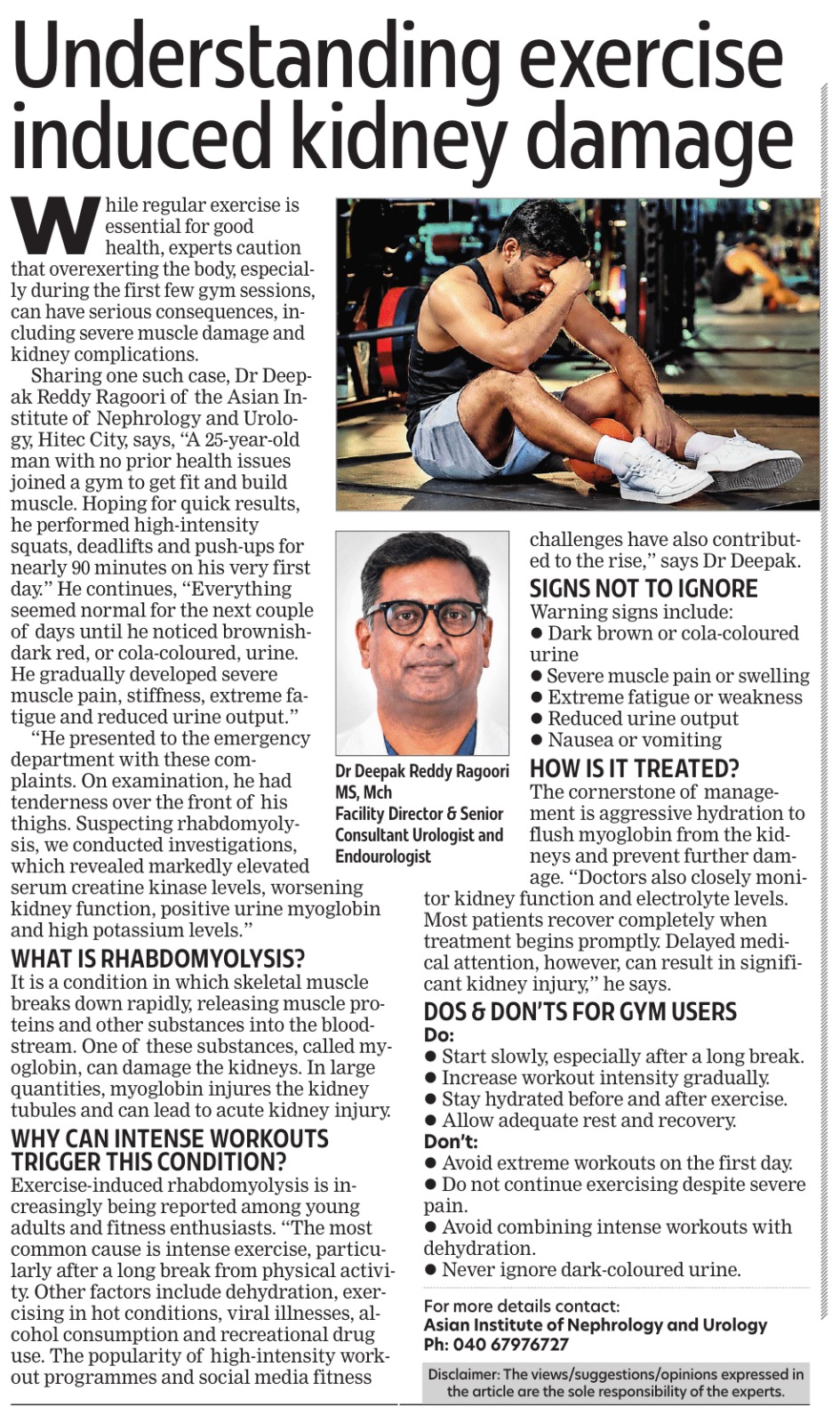
Understanding exercise induced kidney damage
News

Understanding exercise induced kidney damage

Read More
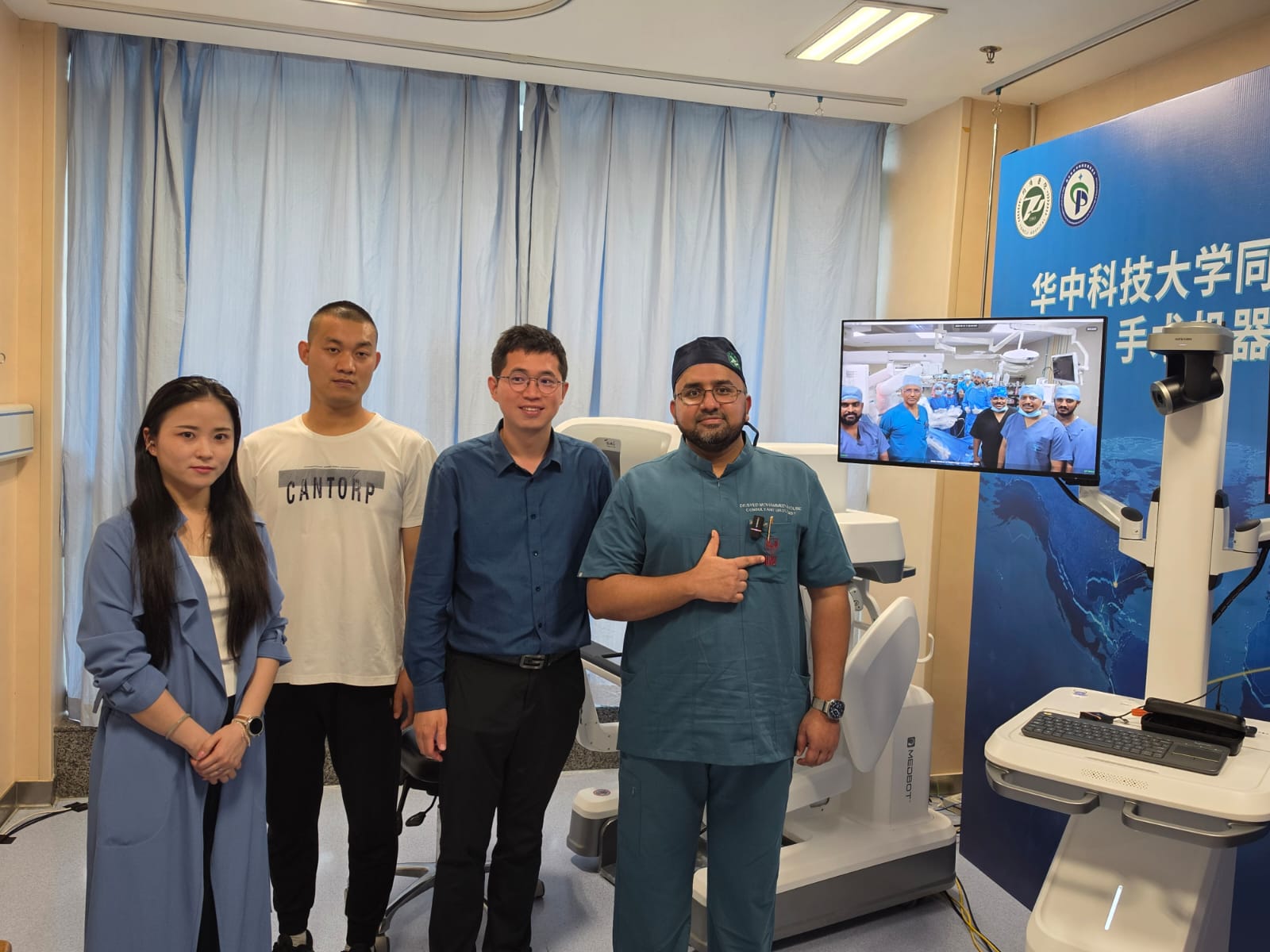
Dr. Syed Md. Ghouse performs telerobotic from China on a patient in Hyderabad I AINU Hospital
News

Dr. Syed Md. Ghouse performs telerobotic from China on a patient in Hyderabad I AINU Hospital

Read More
Male fertility explained: Understanding sperm health issues affecting adult men - AINU Hospital Chennai
News

Male fertility explained: Understanding sperm health issues affecting adult men - AINU Hospital Chennai

Read More
How summer precautions can help protect kidney health - AINU Hospital Hitech city
News

How summer precautions can help protect kidney health - AINU Hospital Hitech city

Read More

Frequently Asked Questions

Yes, surgery alone can be sufficient for many men with cancer confined to the prostate. The final tissue report and follow-up PSA determine whether further treatment is needed.

Not routinely after successful surgery for localised cancer. They may be advised in selected higher-risk, persistent or recurrent disease.

Both can be effective. Robotic surgery removes the prostate, provides detailed tissue findings and may complete treatment without hormone therapy. It also carries risks, particularly urine leakage and erection difficulties. The right choice depends on the cancer, health and personal priorities.

Leakage can occur after catheter removal. It often improves with healing and guided pelvic floor exercises, although some men have persistent leakage and need further treatment.

Recovery depends on previous function, age, health and whether nerves can be preserved. Our andrology team assesses sexual function before surgery and treats difficulties during recovery.

Removal of the prostate and seminal vesicles means semen is no longer ejaculated. If having children is important, discuss sperm banking and fertility options before treatment.

PSA is monitored after treatment. Following prostate removal, it should fall to a very low or undetectable level. Continued checks help identify any need for further care.

No. Some low-risk cancers are suitable for active surveillance. Others may be better treated with radiation or medicines.
Book an Appointment
Book Appointment
STEP 1 OF 3
Date & Time
Find a Doctor

Select department and branch to see available doctors.

Loading doctors...

No doctors available for this selection.

Select Date & Time

Choose your preferred appointment slot.

No appointments are available on this date.

Next available appointment:

We couldn't load available appointment slots.

Patient Details

Enter your mobile number to continue.

+91
Enter a valid mobile number.
Checking patient details...

We couldn't verify this mobile number.

Please try again.

Enter the OTP sent to your mobile number.

Enter a valid 6-digit OTP.
OTP Sent to +91
Patient found

Welcome back!

UHID:
Select Patient

Multiple patient records were found for this mobile number. Please select one to continue, or register a new family member.

New Patient Registration
We couldn't find an existing patient profile for this number. Please enter a few details to continue.
Enter your full name.
Enter a valid date of birth.
Please select an option.
+91
Enter a valid mobile number.
Pre-filled from your selected doctor's branch.
Review & Confirm

Please check the details before confirming.

APPOINTMENT
PATIENT

This slot has been booked by another user

Please choose another slot to continue your booking.

Appointment Confirmed!

Your appointment has been successfully booked.
APPOINTMENT ID
Leave booking?

Your selected appointment details will be lost.