
Flexible Ureteroscopy/
Retrograde Intrarenal Surgery
(RIRS)
Your Comprehensive Patient Guide to Kidney Stone Management.
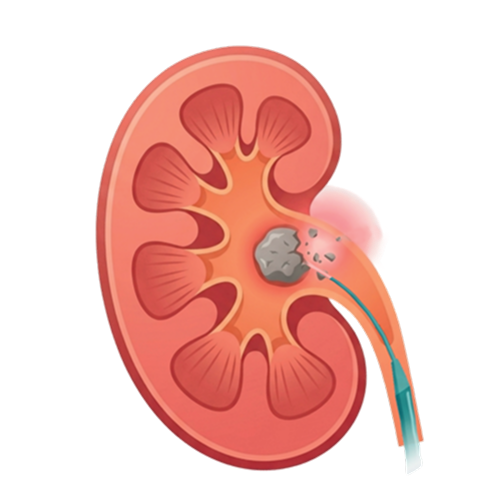
What is RIRS?
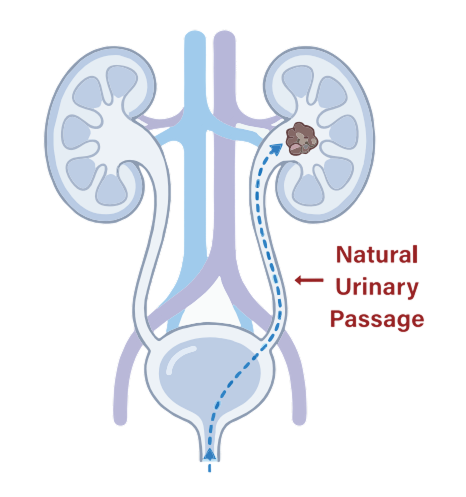

No Cuts:
A scarless, minimally invasive procedure.

Endoscopic:
A flexible camera finds the stone.

Laser Precision:
Stones are dusted into fine particles.
Why RIRS? Understanding Your Diagnosis
Stone Factors

Size: 10-20 mm

Lower Pole or
Hard-to-Reach Stones

Hard or Radiolucent
Stones

Failed Shock Wave
Lithotripsy (SWL)
Patient Factors

Patients on
Blood Thinners

Obesity
(Difficult Access)

Single Functioning
Kidney (Safety Priority)
Pre-Operative Timeline: Countdown to Surgery

3-5 Days Before
Stop blood-thinners (Aspirin, Warfarin) ONLY If advised. Pre-op anesthesia tests.

Night Before
Light meal allowed. NPO (No food or water) after midnight.

Day of Surgery
Shower/Clean hygiene. Remove jewelry. Empty bladder.
MEDICATION ALERT
- Hypertension Meds: CONTINUE taking them.
- Diabetes Meds: Take ONLY as specifically instructed (Ask regarding insulin/oral meds).
- Bring a complete list of your medications.
Inside the Operating Room: Step-by-Step

1. Anesthesia.
You are asleep or numb (General or Spinal). No pain.

2. Access Sheath
A protective channel is placed in the ureter.

3. Visualization
The flexible scope enters the kidney to find the stone.

4. Laser Fragmentation
Holmium/Thulium laser dusts the stone.

5. Clearance.
Fragments are retrieved or flushed out.
Understanding the DJ Stent
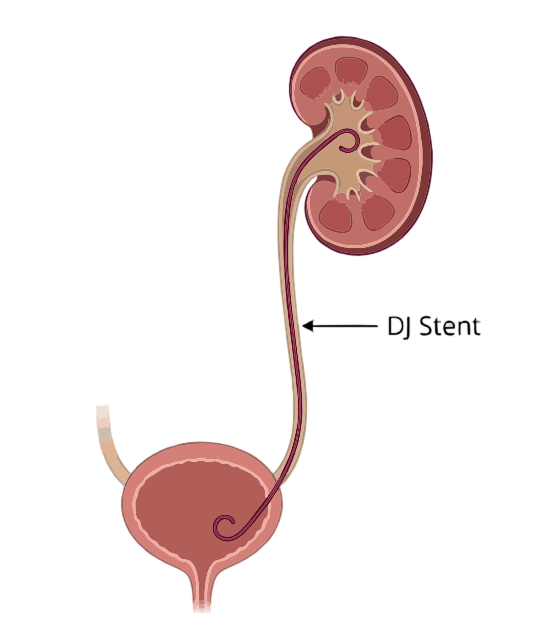

What is it?
A thin internal tube to keep the ureter open and aid healing.

Normal Sensations
Mild urinary frequency, urgency, slight burning, or blood-tinged urine.

Removal
Removed 1–4 weeks later in the hospital. Usually painless, no anesthesia required.

Activity
Does not prevent daily activity, but avoid heavy exertion.
Risks & Complications: What to Expect
Common / Expected Effects
- Mild burning (1-2 weeks)
- Blood-tinged urine (Hematuria)
- Urinary frequency/urgency
- Mild flank/abdominal pain
- Passing small stone fragments
Less Common / Serious Risks
- Urinary Tract Infection (UTI)
- Ureteral stricture (narrowing - rare)
-
Incomplete stone clearance
(may need 2nd session) - Forgotten stent (if follow-up is missed)
When to Seek Immediate Emergency Care?

High Fever
(>101.3°F) with chills or rigors.

Heavy bright red bleeding or clots.

Complete inability to urinate or severe worsening pain.

Signs of Sepsis: Confusion, rapid breathing, low BP.
Also seek care if the stent falls out before the scheduled date.
Post-Op Care Instructions
In Hospital

- Monitor 2-4 hours in recovery.
- Most discharged after overnight stay.
- IV fluids and antibiotics given.
- Possible temporary catheter (1 day).
At Home

- Hydration: Drink 2.5 Liters+ (8-10 glasses) daily.
- Rest: 24-48 hours total rest. Light walking after 2 days.
- Diet: Light/digestible for first 2 days.
- Urine: Strain urine to collect fragments for analysis.
- Driving: Wait 12-24 hours after anesthesia.
The 4 Critical Warnings

Do NOT ignore
the DJ stent.
Never miss the removal appointment. Risk of severe kidney damage.

Do NOT
self-medicate.
Avoid NSAIDS (Ibuprofen, Diclofenac) unless consulted.

Do NOT ignore
infection signs.
Fever + cloudy urine needs immediate care.

Do NOT resume
heavy exercise.
No gym or contact sports for 2 weeks.

Preventing Recurrence: Lifestyle Changes
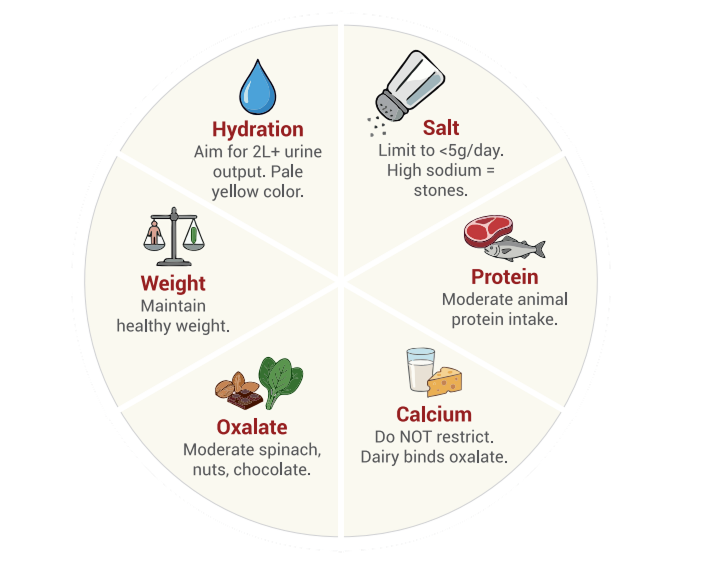
Medical Follow-Up & Analysis
Stone Analysis & Treatment

-
Uric Acid Stones:
Alkalinizers (Potassium Citrate). -
Calcium Stones:
Thiazide diuretics (if indicated). -
Infection Stones:
Long-term antibiotics.
Surveillance Imaging

-
4-6 Weeks Post-Op:
CT, Ultrasound, or KUB to confirm clearance. -
Annual:
Ultrasound/X-ray to catch recurrence early.