
Advanced Kidney Stone Care, Trusted by Thousands
Comprehensive, evidence-based kidney stone treatment tailored to your unique condition. From mild symptoms to complex surgical needs. 20,000+ stone procedures | Advanced non-surgical treatment | Minimally invasive stone removal | Expert urologists you can trust
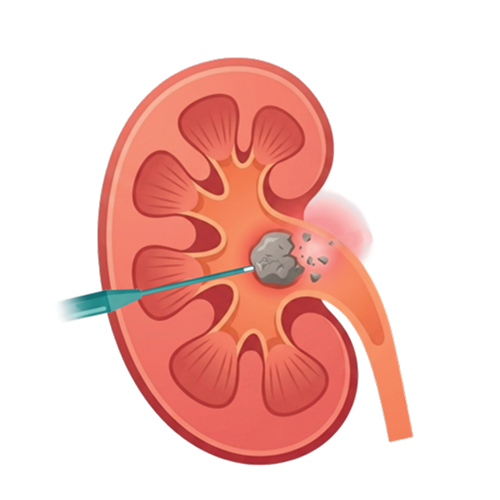
What is Percutaneous Nephrolithotomy (PCNL)?
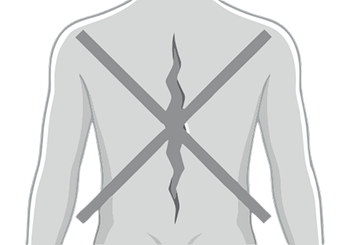
PCNL is a minimally invasive surgery used to remove large kidney stones.
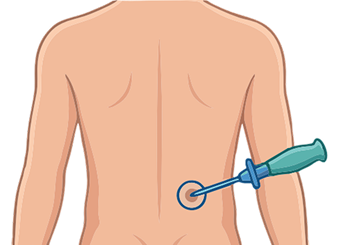
Unlike traditional open surgery, a small cut is made on the back. Instruments are passed directly into the kidney to break and remove the stone.
Why This Procedure is Recommended For You?
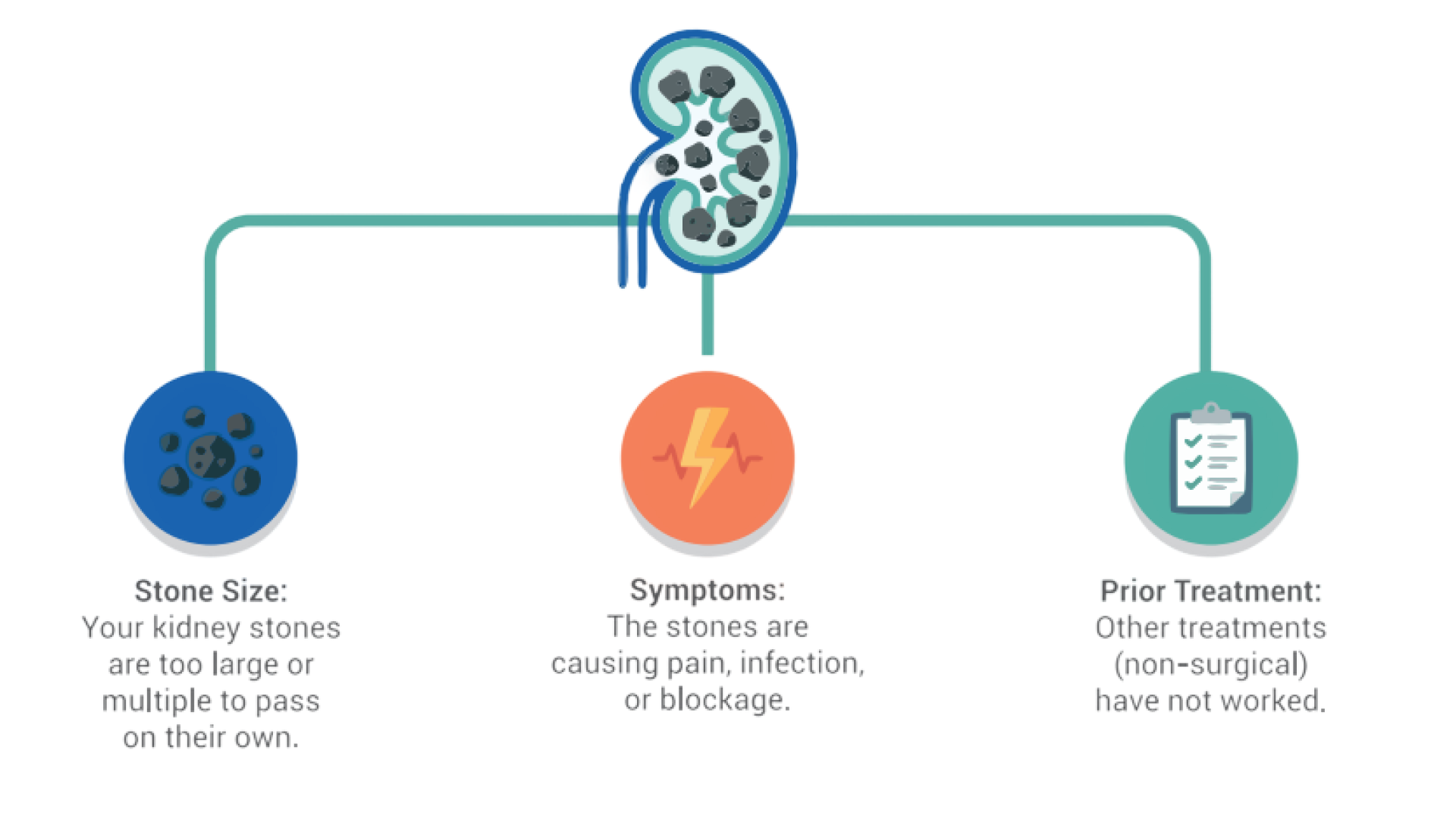
The Benefits of PCNL
High Success Rate - Proven effectiveness in clearing complex stones.
Small Incision - Minimal scarring compared to open surgery.
Faster Recovery - Return to normal life sooner.
Kidney Health - Preserves kidney function while removing the obstruction.
Before the Procedure: Talk to Your Doctor


or High Blood
Pressure

problems
Inform your doctor immediately if you have any of these conditions: Diabetes, Heart disease or High Blood Pressure, Bleeding problems.
Tell your doctor about all medicines you take.
CRITICAL: Stop blood-thinning medicines if advised by your doctor.
Necessary Pre-Operative Tests
Ensuring your body is ready for surgery

Blood Tests
To check overall health and clotting.

Urine Tests
To check for infection.

Imaging
CT Scan, X-Ray, or Ultrasound to map the stone.
Note: An ECG or Chest X-ray may also be required depending on your health profile.
The Night Before: Fasting Rules

6-8 Hours Before Surgery

Do not eat or drink for 6-8 hours before surgery.
Empty Stomach = Safe Surgery
The Day of Surgery Checklist

Hygiene:
Take a bath.

Clothing:
Wear clean, loose, comfortable clothes.

Valuables:
Remove all jewelry and nail polish.

Support:
Come with an attendant/friend or family member.
In the Operating Room
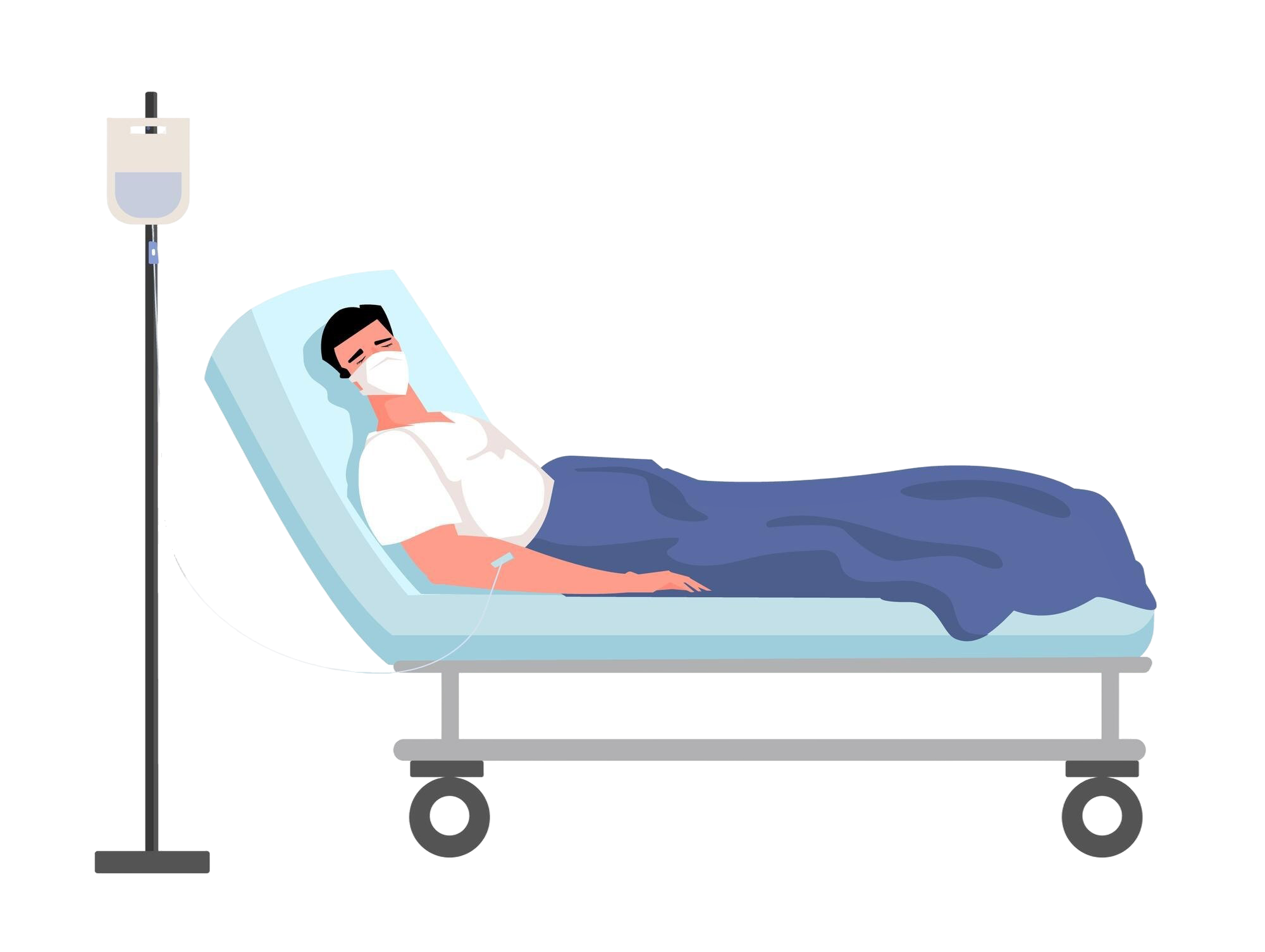
How the Stone is Removed?
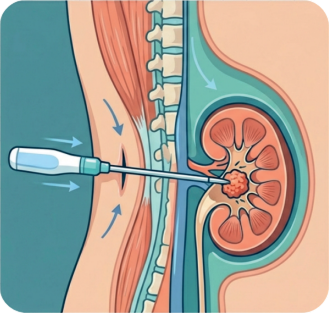
A small cut is made on the back.
Instruments are passed directly into the kidney.
The stone is broken apart and the pieces are removed.
What to Expect During the Hospital Stay?
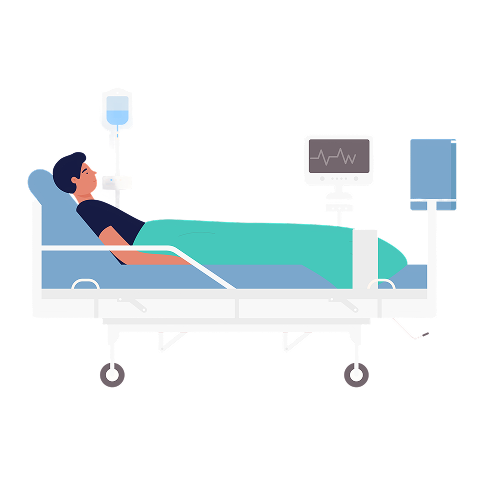
Surgery Day
Recovery
Discharge (Day 2-4)
The typical stay is usually 2-4 days.
You may experience mild pain and see some blood in your urine for a few days. This is normal.
Understanding Tubes and Stents

A tube from the back (nephrostomy) or an internal stent may be used to help the kidney heal.
These are temporary. Do not pull them out. They will be removed later by the doctor.
Recovery at Home: Activity & Diet
Activity
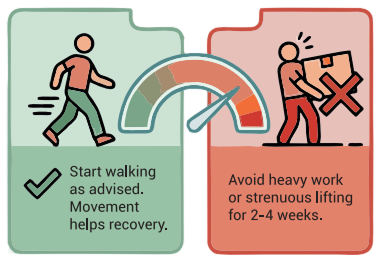
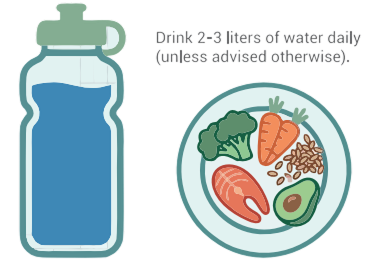
Diet & Hydration
When to Contact Your Doctor Immediately

Fever or chills

Severe or
increasing pain

Heavy bleeding
in the urine

Difficulty
passing urine

Pus or discharge
from the wound

If a tube accidentally
comes out

Next Steps and Follow-Up
Follow-up visits are important. Always attend your scheduled appointments for tube or stent removal and further advice.