Your Guide to ESWL:
Breaking Kidney Stones without Surgery.
A Complete Patient Roadmap to Extracorporeal Shock Wave Lithotripsy.
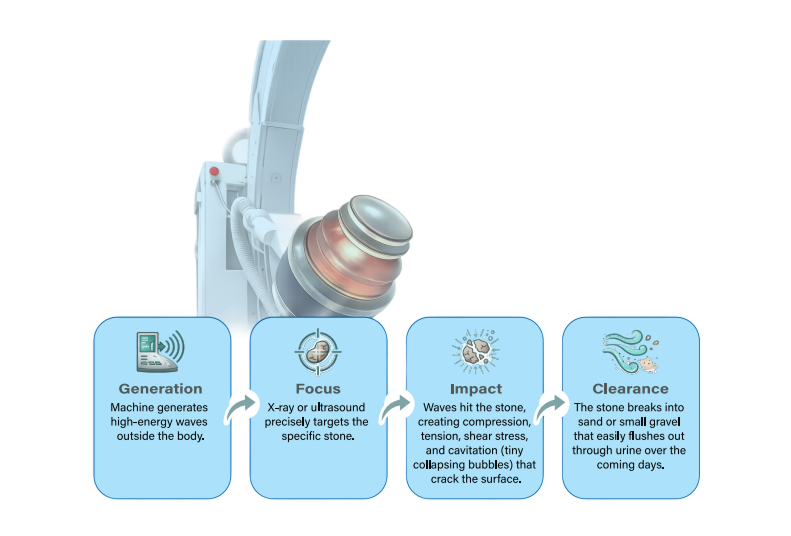
Extracorporeal
Outside the Body.
No cuts, no incisions.
Lithotripsy
Stone Breaking. Precise targeting breaks stones into sand-like pieces that pass naturally.
Shock Wave
High-energy sound waves are generated here and passed safely through the skin.
Ideal Candidates
- Stone size: 5mm to 20mm (best results under 10mm)
- Location: Kidney or upper ureter
- Stone type: Calcium oxalate, uric acid, or struvite
- Anatomy: Normal kidney function, visible on X-ray
Not Recommended
- Medical status: Pregnancy, severe obesity, taking blood thinners
- Stone size/type: Larger than 20–25mm, lower pole kidney stones, or very hard stones (cystine/brushite)
- Complications: Active urinary tract infection or blocked kidney
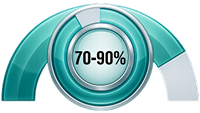
Overall Success Rate
(Depending on stone size and location)
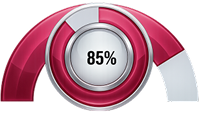
Stone-Free Rate
(Specifically for kidney stones 5–20mm)

Wide Focal Zone
Treats larger areas, requiring fewer waves for bigger stones.

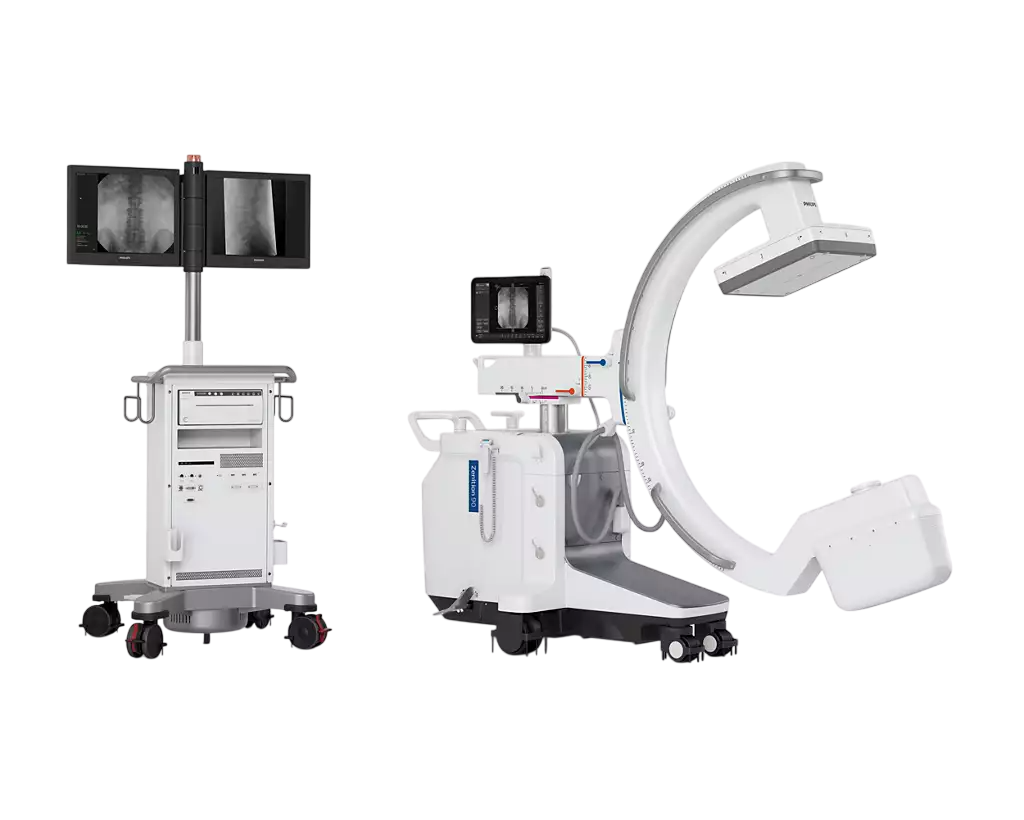
Dual Imaging
Combines X-ray and ultrasound for pinpoint targeting accuracy.

Variable Frequency
Adjustable energy levels to optimize fragmentation and maximize patient comfort.
Your ESWL Journey:
We are with you
from preparation to total clearance.
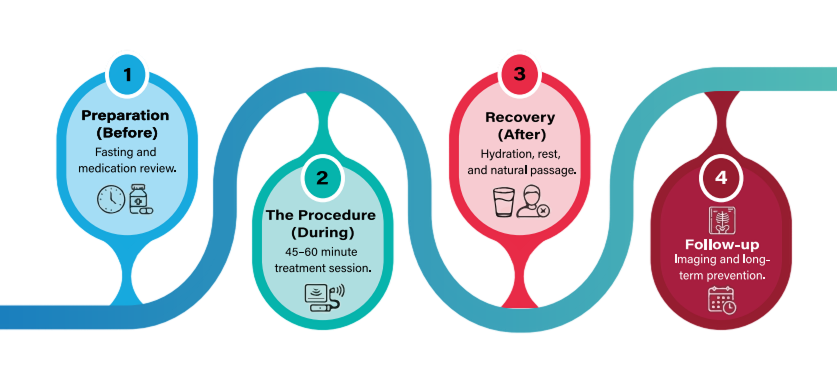
Fasting
No eating or drinking for 4 to 6 hours before the procedure.
Pre-OP Testing
Complete required blood tests (kidney function, bleeding), urine tests (to rule out infection), and final imaging (CT/X-ray) to pinpoint the stone.

Medication
Review
Stop blood thinners like warfarin, clopidogrel or aspirin strictly as instructed by your urologist. Discuss diabetes medications.

Time
The procedure takes exactly 45 to 60 minutes.

Sensation
2,000 to 4,000 precise shock waves are delivered. You will feel a tapping sensation or mild discomfort.

Comfort
You will receive sedation or mild anesthesia to ensure you remain completely comfortable and still.

Discharge
Following 1 to 2 hours in the recovery room, you will go home the exact same day.
DO’S
-
Drink 2.5 to 3 Liters of water daily to flush fragments.
-
Strain your urine to catch stone pieces for laboratory analysis.
-
Take prescribed pain relievers and alpha-blockers.
-
Engage in gentle activity and light walking after day one.
DONT’S
-
No heavy lifting or strenuous activities for 1 to 2 weeks.
-
Avoid contact sports for 2 to 4 weeks.
-
Do not drive on the day of the procedure if sedation.
Expected & Normal
- Blood in urine (hematuria) for 1–3 days (sometimes up to 2 weeks).
- Mild back or flank pain as fragments pass.
- Bruising on the skin where shock waves entered.
- Small stone fragments appearing in urine.
Warning Signs:
Call Doctor immediately
- Severe pain not controlled by medication.
- Heavy bleeding with dark red blood or clots.
- Fever above 38°C (100.4°F) or chills.
- Inability to urinate.
- Persistent nausea and vomiting.
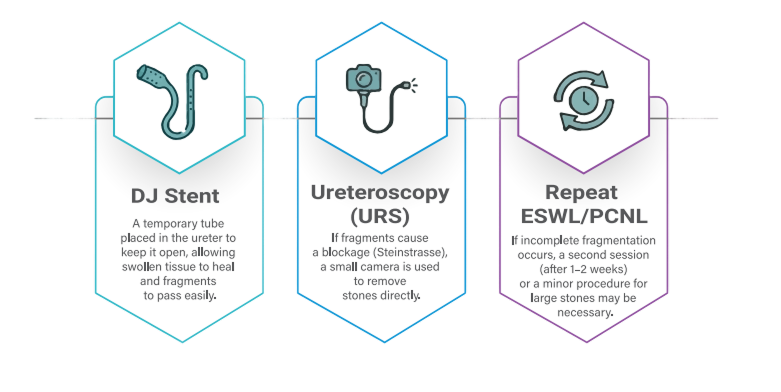
Navigating Roadblocks:
Supplementary Care Options.
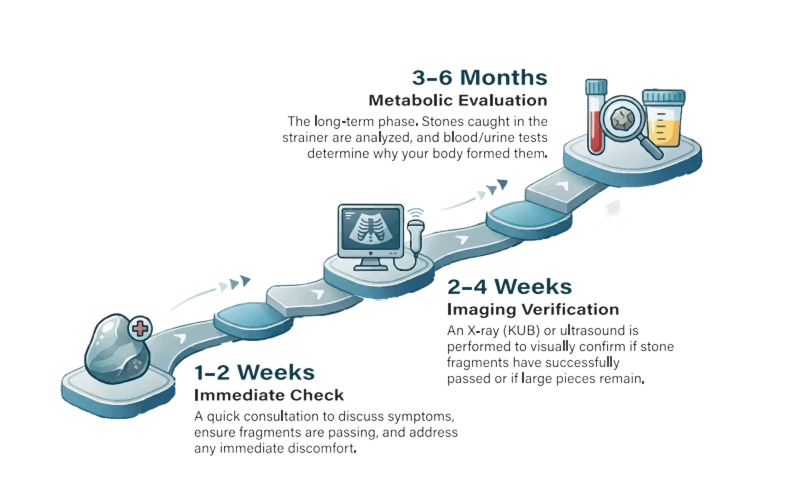
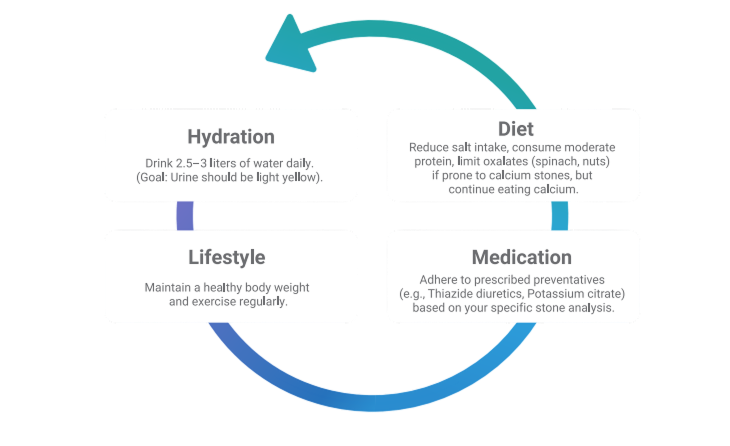
Staying Stone-Free:
The Prevention Blueprint.