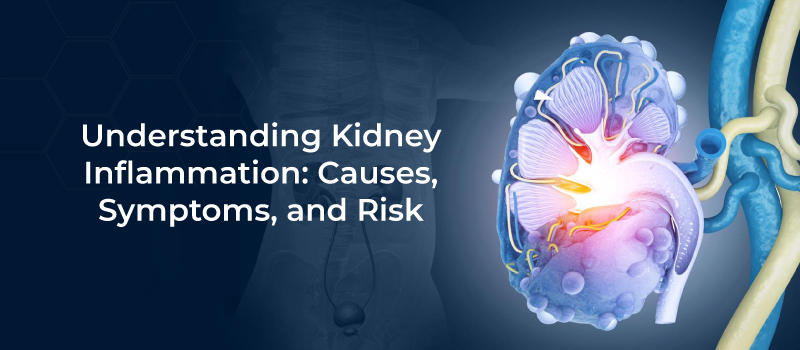
Understanding Kidney Inflammation: Causes, Symptoms, and Risk

  • Overview
  • 1. What is Kidney Inflammation?
  • 2. What Causes Kidney Inflammation?
  • 3.What risk factors exist?
  • 4. When Should You See a Kidney Specialist?
  • Frequently Asked Questions

What happens when your kidneys get inflamed? You experience the symptoms and will need to visit a kidney specialist.

Choosing the right kidney specialist is essential. But before you make an appointment, read this informative yet quick post on kidney inflammation. We will explain the causes, symptoms, and risks.

1.What is Kidney Inflammation?

Nephritis is the inflammation of the kidneys. Inflamed or injured kidneys stop filtering blood. The kidney’s main job is to filter the blood of poisons and fluids. They eliminate waste through urine.

Everyone needs a healthy kidney. But when the kidney gets inflamed, you experience uncomfortable symptoms. Please note that there are different types of nephritis, which can be managed effectively under the guidance of a kidney specialist.

kidney inflammation symptoms, you must speak to the specialist and opt for treatment.

But the biggest question is: what causes this inflammation? Head to the next section to find out the reason.

2.What Causes Kidney Inflammation?

Kidney inflammation causes could be hereditary, and in some cases, it could be due to an infection.

If it runs in your family, you will have a family history of renal illness. But in case you have HIV or Hepatitis B, you could still get nephritis.

Some drugs, such as antibiotics, can induce kidney problems. The specialist will ask about your medical history and past prescriptions. Excessive painkiller and non-steroidal anti- inflammatory drug use can cause renal irritation.

3.What risk factors exist?

A family history of nephritis increases the risk. You are also in danger if you have high blood pressure or diabetes.

Heart disease and obesity are both risk factors. In order to reduce your risk of ageing, give up smoking, maintain a healthy lifestyle, and schedule regular checkup.

Kidney inflammation treatment is possible; however, prevention is preferable to cure.

Unravelling the Symptoms of Nephritis

Now that you understand the kidney inflammation reasons, it’s time to find out what the symptoms are.

  • Changes in your urinary habits
  • Swelling in any part of the body, such as hands, ankles, face, and feet.
  • Change in colour of urine
  • Blood in the urine
  • Foam-like urine

4. When Should You See a Kidney Specialist?

If you notice any changes in the colour of your urine or find any swelling in different body parts as mentioned above, consider it a warning sign.

Some people with kidney inflammation avoid the doctor. If you delay seeing a professional, it may be too late.

Tell the top Vizag renal specialist about your symptoms and medical history. Kidney inflammation is not uncommon, so you do not need to feel worried, it can be managed if detected early.

Concluding Thoughts

Kidney inflammation should not be taken lightly. Meet a specialist today. The complications could get worse if you let them pass.

FAQs

1.How can I reduce kidney inflammation?

Specialists recommend changing your lifestyle and opting for a healthy diet and regular exercise. Do opt for kidney inflammation treatment if you develop symptoms of nephritis.

2.Is water good for kidney inflammation?

Water intake during nephritis depends on the clinical condition of the patient and the specialist will give individualised advice based on your clinical status.

3.Is water good for kidney inflammation?

You may feel a dull ache in the loin. But many patients having nephritis do not experience any pain.

4.Is milk good for kidney patients?

Nutritionists recommend almond, soy, and rice milk to kidney patients. Cow milk has more potassium and phosphorus and may need restriction depending on the degree of kidney damage.

5.What can we eat if we have inflamed kidneys?

Anything with less sodium, potassium, and phosphorus is suitable for kidney inflammation patients. The kidney specialist will recommend a specific diet for you.

The Impact of Stress on Kidney Function and How to Manage It

Table Of Contents

  • Overview
  • The Relationship between Stress and Kidney
  • Effect of Stress on Kidney Function
  • Recognizing Signs of Stress-Related Kidney Diseases
  • Strategies for Managing Stress to Support Kidney Health
  • Seeking Professional Help and Support
  • Conclusion
  • FAQs

Stress is part of life. However, excessive stress can contribute to poor health, increase our blood pressure, and even damage the kidneys. The prevalence of Chronic Kidney Disease (CKD) has proliferated in the past two decades. The rising rate of CKD has been attributed to comorbidities such as Diabetes, Hypertension, and obesity. But recent research has begun to acknowledge and explore the implications of social, economic, and psychological factors on CKD. In this blog, we will explore the impact of stress on kidney function and gauge ways to manage it.

The Relationship between Stress and Kidney

Simply put, stress is anything that upsets or disrupts a person’s usual equilibrium or balance. Stress can be physiological or psychological. Living with chronic illnesses, such as kidney diseases, can be a significant source of stress. It is noteworthy to mention that stress is not an all-evil phenomenon, as it can help manage immediate dangers or crises. In addition, stress can also serve as a positive motivator while navigating life’s challenges when channeled properly.

However, when the human body is under intense levels of stress for sustained periods of time, there are physical reactions that can eventually harm the body’s health if left untreated. The combined effects of stress, which include an increase in blood pressure, a faster heart rate, and higher fat and sugar levels in the blood, can contribute to kidney problems, cardiovascular diseases, etc.

A lot of people are surprised to learn that stress and kidney damage are interrelated. As the blood filtering units of the human body, the kidneys are more susceptible to problems pertaining to blood circulation and blood vessels. Stress hormones like adrenaline can worsen Hypertension. High blood pressure and high blood sugar can place an additional pressure on kidneys. Individuals with high blood pressure and diabetes are at greater risk for kidney diseases. So, if you already have kidney problems, you are more prone to blood vessel issues and problems related to the heart.

Likewise, if you have heart disease or kidney problems, then the body’s reaction to stress can become more dramatic and dangerous. Thus, whether your aim is to curb heart or kidney diseases or bolster your overall health while living with kidney or heart problems, managing stress must be your priority.

Effect of Stress on Kidney Function

The effects of chronic stress on kidney function include:

  • High blood pressure
  • Increased heart rate
  • Increased stress hormones
  • More blood sugar levels

Recognizing Signs of Stress-Related Kidney Diseasesy

The key is to recognize signs of stress-related kidney diseases in a preemptive fashion so that you can take the right steps. Some of the symptoms include:

  • Change in urination
  • Fatigue
  • Sensation of one’s own heart heartbeat – Palpitations
  • Swelling in your hands, legs, or feet
  • Shortness of breath
  • Pain in the back
  • Lowered appetite
  • Puffiness around the eyes
  • Abnormal levels of phosphorus, calcium, or vitamin D
  • High Blood Pressure

Strategies for Managing Stress to Support Kidney Health

It is incredibly challenging to reduce stress, but it is not a losing battle, as there are many fool proof ways to mitigate stress. The key is to remember that stress mitigation is a long-term journey, not a short-term end goal. Some simple ways to reduce stress include:

  • Eating healthier food
  • Setting aside time to relax
  • Limiting sugar and caffeine intake
  • Trying yoga and meditation
  • Regularly exercising
  • Getting proper sleep
  • Regularly exercising
  • Following proper schedule for sleep and food

Seeking Professional Help and Support

Whether it is stress, chronic kidney disease, or an enmeshing of the two, timely intervention is imperative in today’s day and age. By opting for the right kidney specialist and mental health specialist and ensuring that they work in tandem, you can take good care of both your psychological issues and your tangible kidney problems.

Conclusion

So, there we have it—an overview of the relationship between stress and kidney-related diseases.

FAQs

1. Can stress really affect my kidney health?

Yes, stress and uncontrolled reactions to stress can deteriorate your kidney health.

2. What are the common symptoms of stress-related kidney issues?

The most common symptoms of stress-related kidney issues are fatigue, nausea, vomiting, cramps, frequent peeing, dry or itchy skin, and more.

3. How can I reduce stress to protect my kidney health?

Simple steps like regular physical activity, proper sleep, eating good food, etc. can reduce stress and protect kidney health.

4. Are there specific relaxation techniques that can help alleviate stress’s impact on the kidneys?

Deep breathing, meditation, and mindfulness are special techniques that can mitigate stress’s impact on your kidneys.

5. When should I seek medical advice for stress-related kidney concerns?

When you experience symptoms such as being unable to concentrate, chronic fatigue, frequent trips to the loo, and more, then it might be time to seek medical advice for stress-induced kidney concerns.

The Link between Smoking and Kidney Disease: Understanding the Connection

Table Of Contents

  • Overview
  • Impact of Smoking on Kidney Health: Risks and Consequences
  • Unveiling the Relationship Between Smoking and Kidney Disease
  • Smoking Cessation for Kidney Health: Benefits and Strategies
  • Conclusion
  • FAQs

We all know the harmful effects of smoking on our health in multiple ways, yet we conveniently ignore such alerts for temporary pleasure. Sadly, studies have shown that smoking is among the most common preventable causes of kidney failure and premature death in the India.

Smoking and kidney disease are a hazardous combination. In the following paragraphs, we will try to understand the relationship between the two and how quitting smoking can improve one’s kidney health.

Impact of Smoking on Kidney Health: Risks and Consequences

Smoking is a significant risk factor for various kidney diseases and can contribute to their development and progression. Some kidney conditions that smoking increases the risk and worsens include:

  • Chronic Kidney Disease (CKD): Smoking is associated with the development and progression of CKD. It can accelerate the decline in kidney function and increase the risk of kidney damage over time.
  • Kidney Cancer: Smoking is a well-established risk factor for kidney cancer, also known as renal cell carcinoma. The chemicals in tobacco smoke can increase the likelihood of developing kidney tumours.
  • Kidney Stones: While the relationship is not as straightforward as with other conditions, smoking has been associated with an increased risk of developing kidney stones. Kidney stones can cause significant discomfort and damage the kidneys if left untreated.
  • Glomerular Diseases: Smoking has been linked to certain diseases that affect the glomeruli, such as IgA and membranous nephropathy.
  • Hypertension (High Blood Pressure): Smoking is a known risk factor for hypertension, and high blood pressure is a leading cause of kidney disease.
  • Diabetic Nephropathy: Smoking can worsen the complications of diabetes, including diabetic nephropathy.
  • Acute Kidney Injury (AKI): Smoking can increase the risk of acute kidney injury, a sudden and severe decline in kidney function. This can occur due to reduced blood flow to the kidneys or direct toxicity from smoking-related substances.

Unveiling the Relationship Between Smoking and Kidney Disease

Smoking is known to have a detrimental impact on various organs and systems in the body, including the kidneys. While the exact mechanisms are complex and not fully understood, researchers have identified several ways in which smoking can damage the kidneys and contribute to the development of kidney diseases:

  • Vascular Damage: Smoking causes damage to blood vessels throughout the body, including those in the kidneys. This vascular damage can reduce blood flow to the kidneys, leading to renal ischemia. Reduced blood flow can impair the kidney’s ability to function properly and lead to tissue damage.
  • Formation of Kidney Stones: Smoking has been linked to an increased risk of kidney stone formation. The chemicals in cigarette smoke can alter the composition of urine, making it more conducive to the formation of crystals that can aggregate and form kidney stones.
  • Inflammation and Oxidative Stress: Cigarette smoke contains numerous harmful chemicals and toxins that can trigger inflammation and oxidative stress in the body. In the kidneys, these processes can damage the delicate structures responsible for filtering blood (glomeruli) and maintaining the balance of electrolytes and fluids.
  • Glomerular Filtration Rate (GFR) Reduction: The glomerular filtration rate (GFR) measures how well the kidneys can filter waste and excess fluids from the blood. Smoking can reduce GFR by damaging the glomerular structures involved in filtration. This reduction in GFR can lead to impaired kidney function over time.
  • Accelerated Aging: Smoking is associated with accelerated ageing of the kidneys. It can lead to premature narrowing and stiffening of the blood vessels, reducing blood flow and compromising kidney function. The ageing process is further exacerbated by the oxidative stress caused by smoking.
  • Interaction with Diabetes: Smoking can worsen the effects of diabetes on the kidneys. Both smoking and diabetes independently increase the risk of kidney disease, and their products are synergistic when combined. Smoking can worsen blood sugar control, increase inflammation, and amplify the damage to blood vessels and kidney tissue caused by diabetes.
  • Reduced Antioxidant Defence: Smoking depletes the body’s natural antioxidant defences, leaving the kidneys more susceptible to oxidative stress and damage. Antioxidants help neutralise the harmful effects of free radicals, unstable molecules that can cause cellular damage.
  • Renin-Angiotensin System Dysregulation: Smoking disrupts the balance of hormones that regulate blood pressure, like renin and angiotensin, impacting renal blood flow and filtration.

Smoking Cessation for Kidney Health: Benefits and Strategies

Treatment for acute renal failure basically involves identifying the injury or illness that damaged your kidneys in the first place and then prescribe. The treatment options based on the underlying cause of kidney failure. These are the significant health benefits of quitting smoking.

  • Reduced risk of kidney damage
  • Lowered risk of kidney disease progression
  • Decreased inflammation
  • Enhanced blood pressure control
  • Improved response to treatment

Smoking cessation can improve one’s quality of life, specifically for CKD patients. Here are some strategies for smoking cessation:

  • Behavioural support: Engaging in counselling, support groups or therapy to address smoking triggers and behaviours.
  • Nicotine replacement therapy: Using nicotine gums, patches or lozenges to gradually reduce nicotine dependence.
  • Prescription medications: Seeking medical guidance for drugs that curb nicotine cravings and withdrawal symptoms.
  • Lifestyle changes: Incorporating regular exercises, stress reduction, and a balanced diet to ease quitting.
  • Support systems: Enlisting the support of friends, family and healthcare professionals for encouragement and accountability.

Conclusion

Therefore, it’s high time to abandon that nicotine roll. Quitting smoking will improve your quality of life and reduce the risk of developing critical kidney diseases or damage. Consult an experienced kidney specialist at AINU to address kidney issues on time.

FAQs

1. Is there a safe level of smoking that doesn’t impact kidney health, or is any amount harmful?

No, there’s nothing called a safe level of smoking. The best option is to quit smoking to reduce the risk of developing kidney disease.

2. How does smoking specifically contribute to the development of kidney cancer?

Smoking increases the risk of renal cell carcinoma (RCC), the most common form of kidney cancer. The more you smoke, the higher the risk.

3. Does quitting smoking altogether reverse kidney damage, or are some effects irreversible?

By quitting smoking, the risks of developing severe kidney issues are reduced. The patient with kidney disease may recover quicker, experience a slow decline in kidney function, and eliminate the chances of developing acute conditions. Some dangers caused by tobacco intake may also be reversed.

4. Are there any medications or treatments that can help mitigate the adverse effects of smoking on kidney function?

ACE inhibitors or ARBs are common types of blood pressure medications that can slow the decline of kidney health and delay kidney failure. Adopting a healthy lifestyle and treatments like dialysis and kidney transplants can improve conditions for CKD patients. Consult an experienced kidney specialist at AINU to address kidney issues on time.

What is Acute Kidney Injury or Failure?

Table Of Contents

  • What is Acute Kidney Injury or Failure?
  • Diagnosis of Acute Kidney Injury
  • What is Acute Kidney Injury Treatment?
  • Signs & Symptoms of Acute Renal Failure
  • Conclusion

What is Acute Kidney Injury or Failure?

Acute kidney injury occurs when the kidneys are no longer able to filter waste products out of the bloodstream. When the kidneys lose their filtering ability, dangerous levels of waste might accumulate. Eventually, the chemical composition of blood might become out of balance and can affect other organs. This is why it is crucial to get the right acute kidney injury medication or acute renal failure treatment from professionals. Acute kidney injury is also known as Acute Kidney Failure or Acute Renal Failure. The condition can develop rapidly, usually within a span of only a few days. Acute renal failure turns out to be highly common in individuals who might be hospitalized, especially in critically ill patients requiring intensive care.

In some cases, acute renal failure can be fatal. Therefore, it requires intensive acute kidney failure treatment. At the same time, with the right acute kidney disease treatment, the condition can be made reversible.

Signs & Symptoms of Acute Renal Failure

Some of the common symptoms are:

  • Nausea
  • Fluid retention leading to swelling in the legs, feet, or ankles
  • Decreased urine output
  • Breathing difficulty
  • Weakness
  • Chest pain or pressure
  • Irregular heartbeat
  • Confusion or coma

Diagnosis of Acute Kidney Injury

If the signs and symptoms suggest that you have acute renal failure, your healthcare professional might suggest specific tests and diagnostic procedures to identify the cause and ensure appropriate acute kidney failure treatment. Some of the diagnostic procedures for the condition are:

  • Blood Tests: A blood sample can help in revealing rising levels of creatinine, urea, and other substances used for evaluating kidney function.
  • Urine Tests: Evaluating a sample of your urine can help in revealing several abnormalities suggesting the cause of kidney failure.
  • Urine Output Measurements: Measuring the frequency of your urination in a span of 24 hours can help the doctor to diagnose acute renal failure.
  • Imaging tests: These include ultrasound or computerized tomography These tests will help your doctor in understanding the cause of renal failure.
  • Kidney Biopsy: In some cases, the healthcare professional might recommend conducting akidney biopsy, where a small portion of kidney tissue is sent for pathological testing.

What is Acute Kidney Injury Treatment?

Treatment for acute renal failure basically involves identifying the injury or illness that damaged your kidneys in the first place and then prescribe. The treatment options based on the underlying cause of kidney failure.

Some available options are:

  • Treatment for Balancing the Amount of Fluids in the Blood If the acute kidney condition is due to a lack of fluids in the bloodstream, the doctor might go ahead and recommend the use of IV or Intravenous fluids. In some other cases, acute kidney disease might also lead to the accumulation of excess fluid, leading to swelling in the legs and arms. In such cases, the doctor might advise the use of medications to make your body get rid of extra fluids.
  • Medications for Controlling Blood Potassium and Restoring Calcium Levels
  • When your kidneys are not able to filter potassium effectively from the bloodstream, your doctor can prescribe medications to prevent the accumulation of higher levels of potassium in the bloodstream. Excessive potassium in the bloodstream can lead to dangerous irregular heartbeats and even muscle weakness.
  • When the calcium levels in the bloodstream eventually drop too low, your doctor can recommend medications to improve involve blooding calcium.
  • Dialysis for Removing Toxins from the Bloodstream, If toxins start building up in your blood, you might have to undergo the process of hemodialysis. It helps remove toxins and excessive fluids from the body while allowing your kidneys to heal.

Conclusion

With relevant support from leading healthcare professionals, it is recommended tounderstand the signs and symptoms acute kidney failure, get your condition checked in advance to diagnoseand get appropriate treatment right away.

How Painful Are Kidney Stones & What Are The Pain Areas?

Table Of Contents

  • How Painful Are Kidney Stones & What Are The Pain Areas?
  • How painful are Kidney Stones?
  • Where Does Kidney Stone Pain Occur?
  • What is the Pain Area for Kidney Stones?
  • Conclusion

How Painful Are Kidney Stones & What Are The Pain Areas?

Pain is one of the most common symptoms of kidney stones. Most patients are usually worried about how painful kidney stones are or about specific pain areas for kidney stones. As you understand the kidney stone pain location, it can help you manage the overall pain and discomfort easily.

How painful are Kidney Stones?

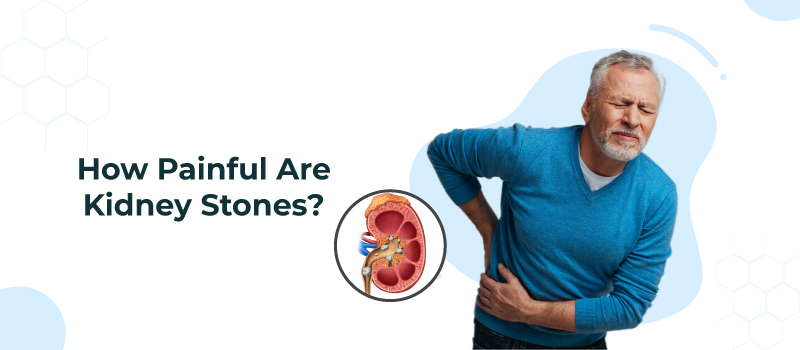
In some cases, kidney stones can be excruciating. Most people describe the pain as passing a stone, even worse than childbirth (women patients). It is crucial to understand that kidney stone-related stomach pain will indeed vary from one person to another.

Some might experience kidney stone testicle pain, while others might struggle with kidney stone groin pain. Whether you deal with right-side pain from kidney stones or back pain from kidney stones, the ultimate location of the pain might differ. When the stone is not causing any blockage, it can easily pass down the urinary tract. As such, it will not lead to any pain.

Where Does Kidney Stone Pain Occur?

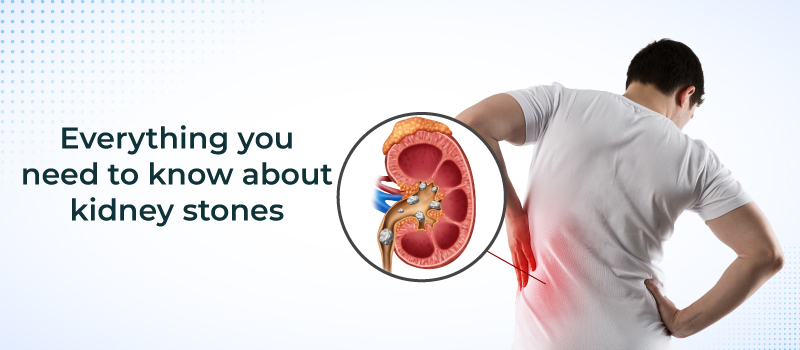
Whatever the location of the kidney stone pain—in your back, groin, testicle, or stomach—it is crucial to look into the pain areas of kidney stones.

You can regard your urinary tract as the plumbing system of the body. The kidney is responsible for producing urine. Eventually, it is spilled into the ureter, a tiny tube capable of transporting urine from the kidney to the urinary bladder. The bladder eventually gets filled up and emptied when you urinate.

The theory of passing the kidney stone implies a stone (of varying sizes) traveling from the kidneys to the urinary bladder, eventually across the ureter’s length. The stone might leave the urinary tract with the help of the urethra.

A stone that passes through your urinary tract might get painful, as your kidneys are sensitive organs. When a stone ends up blocking the passage of urine across the urinary tract, stored or blocked urine can start putting pressure on the kidneys, leading to excruciating pain.

The kidney itself does not have nerves depicting pain fibers. However, the tissues that surround the organ, known as the capsule, contain ample nerve fibers that are capable of transmitting pain. Blocked urine will eventually swell up and expand the tissues or capsule. This inflammation activates the surrounding nerve fibers, leading to signals that the brain interprets as severe.

In some cases, stones can also turn out to be painful as they continue traveling down the ureter. It is because the ureter spasms as it tries to push the stone down the urinary tract.

What is the Pain Area for Kidney Stones?

It is important to understand that not all pain arising from kidney stones is of the same intensity. For instance, the location of kidney stone pain can alter as the stone continues moving from the kidneys to the bladder. When the stone moves through the ureter, you might experience pain in the side, back, or flank.

At the same time, if the stone gets stuck at the point where the kidney connects to the ureter, the resulting pain could be severe. There is no particular position in which the individual might feel comfortable. This type of pain usually appears as spasms, coming and going in a cycle of 10 or 30 minutes. The pain can ultimately radiate to the groin area as well as the thigh’s front.

Once the kidney stones are successful in moving down to the ureter while getting close to the urinary bladder, the person can experience pain in the groin, stomach, or abdomen. In some cases, men tend to experience this pain in the testicle area.

As the stone continues moving down the ureter, it sometimes mimics the pain and discomfort of other health conditions. For instance, when the kidney stone is positioned on the right side, it feels like appendicitis. On the other hand, when the stone is positioned on the left side, some might mistake it for the pain associated with the inflammation of the large or small intestine.

Conclusion

It can take hours, days, or even weeks to pass down a kidney stone through the urethra. The level of pain you experience during the process will vary depending on the size of the stone and its location in the body.

What Causes Kidney Stones

Table Of Contents

  • Types of kidney stones:
  • Who gets kidney stones? What are the risk factors?
  • What are the symptoms of kidney stones?
  • How are kidney stones diagnosed?
  • What are the treatment options for kidney stones?
  • Kidney Stone Prevention

Types of kidney stones:

There are several types of kidney stones, and each type is formed by a different combination of minerals or substances in the urine. The most common types of kidney stones are:

Calcium stones: These are the most common type of kidney stones, accounting for about 80% of cases. They are typically composed of calcium oxalate, although they can also be made of calcium phosphate.

Uric acid stones: These stones are formed when the urine is too acidic, causing uric acid to crystallize and form stones. They can be caused by a diet high in animal protein and certain medical conditions such as gout.

Struvite stones: These stones are less common and are usually the result of a urinary tract infection. They are composed of magnesium, ammonium, and phosphate.

Cystine stones: These stones are rare and are caused by a genetic disorder that causes the kidneys to excrete too much of certain amino acids, including cysteine.

Less common types of kidney stones include those composed of xanthine, indinavir, and other substances.

Identifying the type of kidney stone is important for determining the underlying cause and the most appropriate treatment approach. It can also help in developing strategies to reduce the risk of future kidney stones.

Here are some examples of how identifying the type of kidney stone can inform treatment and prevention:

Calcium stones: If a person has calcium stones, they may be advised to reduce their intake of foods high in oxalate, such as spinach, nuts, and chocolate. They may also be advised to increase their intake of fluids, especially water, to help prevent the concentration of minerals in the urine.

Uric acid stones: If a person has uric acid stones, they may be advised to reduce their intake of foods high in purines, such as red meat and shellfish, and to increase their intake of fluids to help dilute the urine.

Struvite stones: If a person has struvite stones, they may need antibiotics to clear up any urinary tract infections and prevent further stone formation.

Cystine stones: If a person has cystine stones, they may need to take medication to reduce the amount of cystine in their urine, and may be advised to increase their fluid intake to help prevent stone formation.

In addition to these specific treatments, all individuals who have had kidney stones are advised to increase their fluid intake and make dietary modifications as needed to reduce their risk of future stone formation. Regular follow-up with a healthcare provider may also be recommended to monitor kidney function and identify any changes in stone formation.

Who gets kidney stones? What are the risk factors?

Kidney stones can develop in anyone, but some people are at higher risk than others. Here are some factors that can increase a person’s risk of developing kidney stones:

Family history: If a person has a family history of kidney stones, they may be more likely to develop them themselves.

Age and gender: Men are more likely than women to develop kidney stones, and the risk increases with age.

Diet: A diet high in sodium, sugar, and animal protein can increase the risk of kidney stones, as can a diet low in calcium and water.

Medical conditions: Certain medical conditions, such as hyperparathyroidism, gout, and inflammatory bowel disease, can increase the risk of kidney stone formation.

Medications: Some medications, such as diuretics and antacids, can increase the risk of kidney stones.

Dehydration: Not drinking enough fluids can cause the urine to become concentrated, which can increase the risk of kidney stones.

Obesity: Being overweight or obese can increase the risk of kidney stone formation.

Previous kidney stones: People who have had kidney stones in the past are at higher risk of developing them again.

Geography: People who live in areas with hot and dry climates may be at higher risk of kidney stones due to dehydration.

It’s important to note that while these factors may increase the risk of kidney stones, they do not guarantee that someone will develop them. Conversely, someone without any of these risk factors may still develop kidney stones.

What are the symptoms of kidney stones?

The symptoms of kidney stones can vary depending on the size and location of the stone. Some people with kidney stones may not experience any symptoms, while others may experience severe pain. Here are some common symptoms of kidney stones:

Pain: The most common symptom of kidney stones is pain, which can be severe and sudden. The pain may come and go, and can be felt in the back, side, lower abdomen, or groin.

Nausea and vomiting: Some people with kidney stones may experience nausea and vomiting, especially if the pain is severe.

Changes in urine: The presence of kidney stones can cause changes in the urine, such as blood in the urine, cloudy urine, or a foul odor.

Urinary urgency: Some people with kidney stones may feel a strong urge to urinate frequently, or may have difficulty urinating.

Fever and chills: In some cases, kidney stones can cause a fever and chills, which may be a sign of an infection.

If you are experiencing any of these symptoms, especially severe pain, it’s important to seek medical attention right away. Your healthcare provider can diagnose kidney stones with imaging tests, such as X-rays or ultrasound, and can provide treatment to help manage the pain and prevent further complications

How are kidney stones diagnosed?

Kidney stones are typically diagnosed through a combination of medical history, physical examination, and imaging tests. Here are some common methods used to diagnose kidney stones:

Medical history: Your healthcare provider will ask you questions about your symptoms, including the location and severity of any pain, changes in urine, and any other related symptoms.

Physical examination: Your healthcare provider may perform a physical examination to check for signs of pain, tenderness, or swelling in the abdomen, back, or side.

Imaging tests: Imaging tests can help identify the presence of kidney stones and determine their size and location. Common imaging tests include:

X-rays: X-rays can help detect most types of kidney stones, but they may not be able to detect smaller stones or stones that are made of certain materials, such as uric acid.

CT scan: A CT scan is a more detailed imaging test that can detect even small kidney stones and determine their location and size.

Ultrasound: An ultrasound uses sound waves to create images of the kidneys and can help detect kidney stones, especially in people who are pregnant or have allergies to contrast dye used in other imaging tests.

Urine tests: Your healthcare provider may also collect a urine sample to check for signs of infection or other conditions that may be contributing to the formation of kidney stones.

If you are experiencing symptoms of kidney stones, it’s important to seek medical attention. Your healthcare provider can diagnose the condition and recommend appropriate treatment to manage your symptoms and prevent further complications

What are the treatment options for kidney stones?

The treatment for kidney stones depends on the size, location, and type of the stone, as well as the severity of the symptoms. In many cases, small kidney stones may pass on their own with plenty of fluids and pain management, while larger stones or stones that cause severe symptoms may require medical intervention. Here are some common treatment options for kidney stones:

Drinking plenty of fluids: Drinking water and other fluids can help flush out kidney stones and prevent them from forming in the first place. Your healthcare provider may recommend drinking at least 2-3 liters of fluids per day.

Pain management: Over-the-counter pain medications such as ibuprofen or acetaminophen can help manage pain associated with kidney stones.

Medical therapy: Some medications can help dissolve certain types of kidney stones or prevent them from forming in the first place. For example, alpha-blockers can help relax the muscles in the ureter and make it easier for small stones to pass.

Other medications include oral alkalinization used to increase urine pH for uric stones and hypercalciuria for calcium stones.

Extracorporeal shock wave lithotripsy (ESWL): ESWL uses shock waves to break up kidney stones into smaller pieces, which can then be passed more easily. This procedure is non-invasive and does not require surgery.

Ureteroscopy: Ureteroscopy involves using a small, flexible scope to visualize and remove kidney stones that are located in the ureter or bladder.

Percutaneous nephrolithotomy (PCNL): PCNL is a surgical procedure that involves making a small incision in the back and using a scope to remove larger kidney stones.

If you have kidney stones, it’s important to talk to your healthcare provider about the best treatment options for your specific case. In addition to medical treatment, lifestyle changes such as a healthy diet and regular exercise can also help reduce the risk of kidney stone formation.

At AINU’s Stone Treatment Center – providing services at our BANJARA HILLS, DILSUKH NAGAR, HI-TEC CITY, and VIKRAMPURI (SECUNDERABAD) – we offer state-of-the-art and minimally invasive care for kidney stones.

As kidney stones have a rate of recurrence of up to 50% at 5 years, surveillance with imaging modalities is necessary to ensure treatment success or to guide further changes to the treatment plan.

AINU’s Stone Treatment Center has state-of-the-art operating rooms that are equipped with the latest technology including ultra-thin flexible and rigid ureteroscopes, high-end digital imaging, and a variety of lasers including HOLMIUM LASER, THULIUM FIBRE LASER. AINU’s urologists are fellowship trained and perform high-volume weekly caseloads.

As a result, AINU has a reputation for the successful management of difficult stones, and many of our patients are able to go home within a day or two after surgery.

Kidney Stone Prevention

Are there prevention programs for kidney stones?

AINU’s Stone Treatment Center concentrates not only on the treatment of kidney stones but also on prevention once the initial stone is removed.

At AINU we have a commitment to 24-hour urines and metabolic work-up to prevent future recurrences.

We also provide dietary counseling for appropriate diet and nutrition planning to prevent a recurrence of kidney stones.

One of the best preventative measures against kidney stones is proper fluid intake.

It is recommended that you drink at least 8 glasses or 3 liters of water each day in order to pass about 2.6 quarts (2.5 liters) of urine daily. Other general diet and prevention recommendations include:

  • Moderate calcium (1000-1200 mg/day)
  • Low sodium (less than 2300 mg of salt/day)
  • Low refined sugar (less than 100 g/day)
  • Decrease oxalate (40-50 mg/day of foods such as beets, spinach, sweet potatoes)
  • Decrease intake of animal protein
  • Increase citrate (lemons and limes)
  • Increase intake of fruits and veggies
  • Increase dietary insoluble fiber (around 20 g/day of foods such as whole grains and nuts)
  • Magnesium supplement (for calcium stones)
  • Potassium supplement (for uric acid and cystine stones)

How To Keep Kidneys Healthy

Table Of Contents

  • Stay Hydrated
  • Avoid Drug Overdose
  • Create a Healthy Diet Chart
  • Stay Active
  • Manage Hypertension and Diabetes
  • Quit Smoking and drinking.

Your kidneys play a pivotal role in expelling all impurities from your blood. Waste products and excess fluid are temporarily stored in the bladder and then passed through your urine. Additionally, your kidneys are responsible for managing your body’s pH levels and regulating minerals like sodium, potassium, calcium, etc.

If one or both of your kidneys stop functioning, the waste and fluid in your blood will accumulate, increasing the risk of electrolyte imbalance, hypertension, and bone disease. If your kidneys fail, you will need dialysis or a kidney transplant to filter waste.

Taking preventive measures to protect your kidneys and maintain their function can help reduce the risk of chronic kidney disease or complete failure. In this post, we’ve compiled a list of tips on how to keep kidneys healthy. If you are concerned about your kidneys’ health or have a medical condition that can deteriorate your kidney function, these kidney health tips might help.

How to Take Care of Kidneys — 6 Crucial Tips

Stay Hydrated

People with kidney stones or other kidney diseases are advised to increase their fluid intake. While that doesn’t magically treat CKD, drinking plenty of fluids will keep you hydrated and help expel waste products through urine.

Hydrating is key to expelling kidney stones. Ideally, you should aim to drink at least 2.5 to 3 liters of water a day, but the exact requirement varies depending on the climate in your area, your overall health, if you are pregnant or breastfeeding, and other factors. You must increase your water intake if you are currently diagnosed with or have a history of kidney stones.

Avoid Drug Overdose

The common painkillers, antibiotics, and anti-inflammatory drugs can help relieve pain, discomfort, and fever, but they don’t come without side effects. According to the National Institute of Diabetes and Digestive and Kidney Diseases, NSAIDs increase the risk of acute kidney injury and other long-term kidney diseases. The next time you get medication for a cold, flu, or pain, talk to your healthcare provider about the risks. It’s particularly important for patients with kidney diseases.

Create a Healthy Diet Chart

A diet rich in fats, sodium, sugar, processed meat, fried food, and other unhealthy foods can impair your kidneys’ function over time. The risk is particularly higher in patients with diabetes, hypertension, and other chronic diseases that can affect their kidney function. Watch your intake of sodium, potassium, phosphorus, and calcium, as excess amounts of these minerals can increase the risk of kidney stones. The minerals come together to form kidney stones that cause extreme pain and discomfort. If you have CKD, consult a certified dietician and a urologist for dietary recommendations.

Stay Active

Study showed that people with a sedentary lifestyle are more likely to develop chronic kidney disease than those with an active lifestyle. Exercise can help you in many ways. It brings your blood pressure and blood glucose levels (higher levels of both can affect your kidney function) to a normal range.

It helps you lose weight and reduces the risk of kidney damage due to obesity. You should exercise for 30 minutes each day for 5 days a week. Exercise doesn’t mean joining a gym or lifting weights. Moderate-intensity exercises, like walking, running, swimming, and cycling, are great options to keep your weight and overall health in check.

Do not practice heavy workouts, as that’s also bad for your kidney health. In other words, going from a sofa spud to a gym freak is a bad transition for someone with an increase in kidney issues.

Manage Hypertension and Diabetes

The risk of kidney damage increases in diabetic patients. As the body can’t process glucose, the kidneys work harder to filter the blood. This overexertion can cause kidney damage over time. Likewise, high blood pressure can affect the blood vessels in your kidneys, impairing their function. It’s important to manage your blood glucose levels and take insulin if required to prevent diabetes-related kidney damage. For high blood pressure, your doctor will prescribe medication to keep the numbers in a normal range.

Quit Smoking and drinking.

Smoking damages your blood vessels, restricting the blood flow to the kidneys. Smoking is also associated with higher blood pressure. If your blood pressure is above the normal range, the risk of damage to the blood vessels in your kidneys increases. This can affect your kidneys’ ability to filter waste effectively. Moreover, smoking increases your risk for renal cancer.

You should also limit or stop alcohol consumption if you have a history of kidney disease. Alcohol is linked to hypertension, liver damage, dehydration, and weight issues—all of which can damage your kidneys in the long run.

Conclusion

That’s all about how to maintain kidney health Remember, early diagnosis and treatment can help improve your kidney health and function. See a specialist if you experience blood in the urine, pain or burning sensation while urinating, or pain in the back or sides.

The Asian Institute of Nephrology and Urology is your one-stop destination in Hyderabad if you are concerned about your kidney health. We are equipped with cutting-edge technology, which helps us diagnose and treat a vast range of urinary tract problems in men and women.

Reach out to our professionals to learn how to make kidneys healthy and the preventive measures you can follow to minimize the possibility of kidney damage due to existing medical conditions or diet.

FAQs


Fruits and vegetables, healthy fats, whole grains, and certain herbs and spices can improve your kidney function.


To preserve your kidneys’ function, eat a balanced diet, practice moderate-intensity exercise regularly, and live an active lifestyle.


Managing other health conditions, especially diabetes and hypertension, can protect your kidneys from potential damage. You must also quit smoking and drinking.


Moderate-intensity aerobic exercises, balancing, stretching, and flexibility exercises are the best options for your kidney health.

List Of Kidney Diseases

Table Of Contents

  • Overview
  • A brief about the kidneys
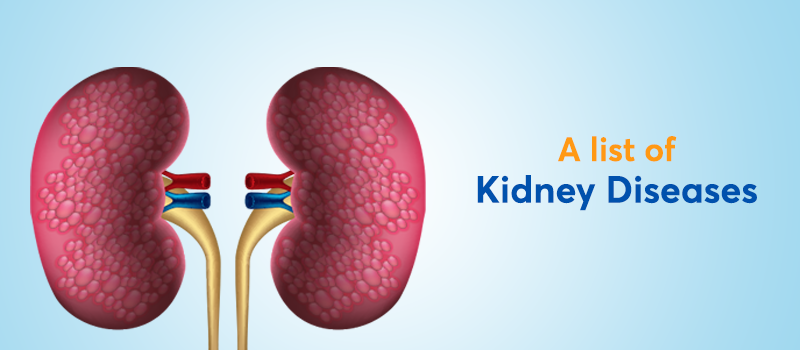
  • Common types of kidney disease
  • Chronic kidney disease (CKD)
  • Polycystic kidney disease (PKD)
  • Glomerulonephritis
  • IgA Nephropathy
  • Conclusion

Around 10% of the adult population has some form of kidney disease.

90% of the people who are diagnosed with severe kidney disease die because they are unable to afford the treatment.

Also, patients with kidney disease are at a higher risk of cardiovascular disease.

These statistics are alarming but true. The only way out is to be aware of the types of kidney disease and the best kidney hospitals in India so that you can seek immediate help if the need arises

A brief about the kidneys

The renal system is a complicated organ system that mainly consists of 2 fist-sized kidneys. They are present on either side of the spine. The kidneys have a network of nephrons that have multiple responsibilities such as:

  • Filtering the blood
  • Filtering waste products
  • Removing extra water to form urine
  • Producing hormones to regulate blood pressure
  • Activating a form of vitamin D to facilitate the absorption of calcium
  • Regulating pH, potassium, and salt levels

Common types of kidney disease

There are many types of kidney disease that attack these nephrons and disrupt the normal functioning of the kidneys. We shall discuss a few of the common ones so that you stay on guard and take measures to avoid them.

Chronic kidney disease (CKD)

CKD is prevalent across India. When kidneys lose their ability to filter the blood and remove all the waste products, it leads to CKC. This can be very harmful because the waste builds up and leads to multiple complications.

This can get worse and lead to kidney failure. Deaths in India due to kidney failure have seen a sharp rise of 38% from 2001-03 to 2010-13. While damage to the kidneys cannot be reversed, when detected early, doctors can slow it down so that it does not worsen as fast. A kidney-friendly diet, exercise, and medication are advised.

People with diabetes (Diabetic Kidney Disease), heart disease, and blood pressure are at a higher risk of getting CKD.

Polycystic kidney disease (PKD)

PKD is genetic. It is a condition where cysts are formed on the kidneys. These cysts hinder the kidneys’ functionality and over time, cause kidney failure.

Sadly, there is no cure for PKD. Medication can help slow the cysts’ growth and avoid other related health problems.

Glomerulonephritis

The kidneys have small filters named glomeruli, which clean the blood. Glomerulonephritis occurs when these filters are damaged and are unable to perform their duties anymore.

Also known as Glomerular Disease, it usually occurs when the immune system gets overactive due to an infection or other causes. There are 2 types of Glomerulonephritis:

  • Acute: Usually due to a viral infection
  • Chronic: Due to high blood pressure or other chronic diseases

IgA Nephropathy

The immune system makes multiple proteins. When these proteins settle in the kidneys, it leads to IgA Nephropathy. It damages the glomeruli and ultimately leads to Chronic Kidney Disease. IgA Nephropathy often goes undetected until it gets severe and it has no cure. Medication can only slow the spread of the damage down.

There are many other rare kidney diseases that hurt the kidneys and lead to kidney failure. A healthy diet and an active lifestyle can go a long way in preventing these diseases.

Conclusion

Chronic Kidney Disease is the most common type of kidney disease. There’s no cure for it and it will lead to kidney failure and death sooner or later. This is why speaking to top kidney specialists in India regularly and getting health check-ups done is crucial. When detected early, doctors can take measures to minimize the damage

At AINU, we have some of the best kidney specialists in vizag who are experts in all forms of kidney disease. If you have any questions or would like to book a consultation, please get in touch with us.

Kidney Health for Everyone Everywhere – Living Well with Kidney Disease

Table Of Contents

  • Overview
  • Symptom management and life participation
  • Patient education, engagement and empowerment
  • Increase awareness of preventive measures
  • Conclusion

World kidney day is a global campaign to raise awareness of the importance of our kidneys to overall health and to reduce the frequency and impact of kidney disease and associated health problems worldwide.

Approximately 1 in 10 people worldwide (an estimated 850 million people) have chronic kidney disease (CKD). Its associated symptoms, and treatment, can disrupt and constrain daily living and impair the overall quality of life of patients and their family members. The current treatment strategy is to preserve, substitute and restore kidneys function and provide relief from kidney failure. This status quo approach reduces the meaningful involvement of patients’ in the management and treatment of their disease. Because of this approach, patients frequently perceive treatments as imposed, punitive and out of control and does not satisfactorily reflect on patients.

The theme of the 2021 World Kidney Day campaign is “Living Well with Kidney Disease”. The focus of this year’s campaign is to raise awareness on patient-centred wellness. At the International Society of Nephrology’s Community Film Event at the 2020 World Congress of Nephrology, there was a quote in the film from a patient: “Tell me, I will forget; show me, I will remember; involve me, I will understand.” The World Kidney Day 2021 steering committee calls for an increase in education and awareness on essential goals of patient-centred wellness and to highlight the importance of the following strategies to achieve it.

Symptom management and life participation

More practical and holistic symptom management beyond traditional kidney therapies should be encouraged. Patients and their care partners should adopt effective strategies to identify and manage symptoms such as pain, sleep issues, depression, stress and others to alleviate these symptoms to have a better health-related quality of life. Life participation, which is the ability of patients to engage in meaningful life activities, should be the key focus in caring for patients with CKD. Caretakers, as well as family members and friends involved in the care of the patients with CKD, should also follow these principles of life participation equally.

Patient education, engagement and empowerment

Patients with CKD and their family members or care partners should be empowered to gain greater control over their decisions and actions affecting their health. Patients should understand their role and have the ability to engage with clinicians in shared decision-making and support for self-management. Strength-based approaches which encompass strategies to support patient resilience, harness social connections, build awareness and knowledge, facilitate access to support and establish confidence and control in self-management should be given greater emphasis.

Increase awareness of preventive measures

Early detection with a prolonged course of wellness despite kidney disease, after an effective secondary prevention program should be promoted. Prevention of CKD progression can be attempted by lifestyle and diet modifications and through effective drugs therapies. There should be increased awareness of the importance of preventive measures across populations, professionals, and policymakers, applicable to developed and developing countries.

Patient empowerment, partnership and improved communications, combined with a paradigm shift towards a strengths-based approach to care, can inspire confidence and hope that patients can live well with CKD. Hence, We must move beyond the status quo and advance patient-centeredness in research, practice and policy.

Asian Institute of Nephrology and Urology, an exclusive Kidney specialty hospital comes forward to achieve the goals set out by the World Kidney Day steering committee with an attempt to raise awareness among the healthcare providers, patients and caretakers on this crucial aspect “Living Well with Kidney Disease”. We are organising a five-kilometre run on 14th of March 2021 at 6:00 am at Necklace road, Hyderabad.

Conclusion

Asian Institute of Nephrology and Urology is the best Kidney hospital in hyderabad that comes forward to achieve the goals set out

Who‌ ‌Requires‌ ‌Kidney‌ ‌Transplantation

Table Of Contents

  • Who requires Kidney Transplantation?
  • Do all patients with Kidney Failure require Kidney Transplantation?
  • Who can be a Kidney Donor?
  • What are the fundamental requirements to donate a Kidney?
  • Is Kidney Donation Safe?

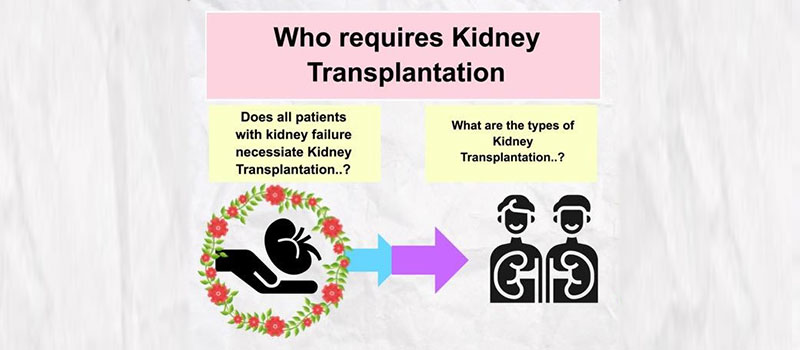
Who requires Kidney Transplantation?

Kidney Transplantation is a procedure where one kidney is removed from a person and implanted into another person with permanent Kidney Failure. The person who donates a Kidney is known as a Donor and the one who receives the kidneys is known as the recipient.

Do all patients with Kidney Failure require Kidney Transplantation?

The answer is No. All patients of kidney failure don’t require kidney transplantation.
There are two primary types of kidney failure.
First category of kidney failure is Temporary Kidney Failure. This is technically known as Acute Kidney Injury (AKI), where in Kidney failure occurs because of a temporary insult and is potentially recoverable if that insult is eliminated within a particular time frame. These patients with Temporary Kidney failure don’t require Kidney Transplantation as Kidney failure is temporary.
The Second category of Kidney Failure is End stage Kidney Disease (ESRD). The other term for this entity is CKD/Stage 5-D (Chronic Kidney Disease/ Stage 5 requiring Dialysis). These are the patients whose both the kidneys have failed permanently and completely. These are the patients who are left with only 5-10% of net kidney function and this is deemed irreversible. These are the patients who mandate either Kidney Transplantation or lifelong Dialysis to move forward.

Who can be a Kidney Donor?

Fundamentally there are two categories of Kidney Donors.
The first Category being Living Kidney Donors and the Other Category being Deceased Kidney Donors. Living kidney donors are usually the individuals who are either biologically or emotionally related to the patient. The classical example of Biologically related individuals are parents and siblings. The most appropriate example of an emotionally related Living donor is Spouse.

The second category of Donors are Known as Deceased Donors. They are the donors whose brain is completely and irreversibly damaged but whose heart is still beating. Such a condition is medically termed as “Brain Death”. That is though they are biologically alive; due to the irreversible damage to the Brain they are technically dead as organs in the body cannot function when the Brain is irreversibly damaged. If the grieving family members are willing to donate the Kidney of their loved ones who are in a state of Brain death, Kidneys along with Liver, Heart and lungs are retrieved after following a stringent legal procedure as mandated by the law.

What are the fundamental requirements to donate a Kidney?

The fundamental requirement for kidney donation is the matching of Blood groups. The person who donates the kidney should have the same blood group like the patient or the donor should belong to the “O” Blood group. The Person with O Blood Group is regarded as a universal donor as such a person can donate a kidney to a person of any blood group.
The other prerequisites being the biological relation or undisputed emotional relationship as defined by the law. The tests such as HLA matching will decide the extent of biological matching between the donor and the recipient.

Is Kidney Donation Safe?

Kidney donation is a safe and well established procedure due to the adoption of stringent measures to evaluate the donor’s health prior to the donation. Every donor will undergo critical analysis of all the organ systems prior to donation. They will be evaluated in depth to assess their kidney functions and would be methodically analysed if the person can sustain kidney donation. If the entire evaluation reveals normal results, then only donation will be permitted. If this stringent process is followed, Donation is usually an acceptably safe procedure subject to subtle biological variations.

To conclude, Kidney Transplantation is indicated in patients with Permanent Kidney failure whose net kidney functions have dropped below 5-10%. Kidney donors can be biologically or emotionally related individuals or Brain dead individuals. Kidney donation from living donors is usually a safe and established procedure subject to the stringent evaluation of donor’s health status.


About Author

Dr P S Vali,
MD (Gen Med) DM (Nephro)
Consultant Nephrologist
Dilsukhnagar, Hyderabad

Book an Appointment