UTIs During Pregnancy: What Expecting Moms Need to Know

Table Of Contents

  • Causes of Urinary Tract Infection During Pregnancy
  • Symptoms of UTI During Pregnancy
  • How UTIs Affect Your Pregnancy
  • Treatment for UTI in Pregnancy
  • Preventing UTI During Pregnancy

Urinary Tract Infection (UTI) is a bacterial infection of the urinary tract, including the urethra, bladder, and ureters. It can sometimes spread to the kidney, causing a kidney infection. Although anyone can get a UTI, women are at an increased risk, particularly pregnant women.

The pressure of the expanding uterus on the bladder, combined with hormonal change, makes pregnant women more vulnerable to this bacterial infection. Let’s explore why UTIs in pregnancy are more common than you think. Later in this article, we’ll discuss the treatment options and how to prevent UTIs during pregnancy. Read on.

Causes of Urinary Tract Infection During Pregnancy

Hormonal changes during pregnancy are significant. Increased progesterone relaxes the urinary tract muscles, slowing down urine flow. Pregnancy also causes vesicoureteral reflux, a condition in which urine flows back up from the bladder to the kidneys, increasing the risk of UTI. Besides that, a pregnant woman’s urine consists of elevated levels of protein, sugar, and hormones. This, with the changes in your urination pattern, creates an ideal environment for the bacteria to travel up the urethra into your bladder and reach the kidneys.

The risk of UTI during pregnancy’s first trimester, up to 24 weeks, is the highest, as that’s when the uterus starts growing. The fetus puts pressure on the bladder, making it difficult for the pregnant woman to empty it completely. Bacteria thrive well in the bladder when there’s residual urine. Another cause of UTI during pregnancy is the suppressed immune system. Pregnancy suppresses your immune system to protect your baby. This reduces your body’s ability to fight infection.

Symptoms of UTI During Pregnancy

It’s not uncommon for women to mistake UTI symptoms for pregnancy. To help you understand the difference between UTI and pregnancy symptoms, we’ve listed the common things you might experience if you have caught a bacterial infection in your urinary tract.

  • Pain and burning sensation while peeing
  • Foul-smelling and cloudy urine
  • Pain in the lower abdomen
  • An urge to urinate more often yet an inability to empty your bladder
  • Pain during sexual intercourse
  • Incontinence
  • Hematuria (blood in the urine)

Although less common, some pregnant women experience additional symptoms that occur when the infection has traveled up to the kidneys. See a urologist immediately if you experience:

  • Fever
  • Chills
  • Nausea and vomiting
  • Pain in the upper side of the abdomen (often confined to one side)

Most gynecologists order urine tests in the first few weeks of pregnancy to rule out silent UTIs. If the infection is suspected, the doctor might order a urine culture to identify the type of bacteria that caused the UTI. The infection is caused mainly by the bacteria E. coli, which is found in your poop.

Around 80-90 percent of the urinary tract infections are caused by this bacteria. It’s advisable to avoid wiping from the back to the front, as it increases the odds of the E. coli reaching the bladder through your urethra and traveling up through the ureters.

The bacteria can also reach your urethra through fingering, during sexual intercourse, or using sexual devices. UTIs are also linked to Group B streptococcus, bacteria found in the genital tract and colon. If it travels up the urethra, there’s a risk the bacteria might pass on to the newborn. Antibiotics are necessary during labor to prevent the transmission.

How UTIs Affect Your Pregnancy

UTIs are treatable. If diagnosed early and treated on time, urinary tract infections won’t cause any complications. However, if left untreated, the infection can increase the risk of premature birth, low birth weight, and other complications during pregnancy. The risk increases drastically if the infection reaches the kidneys, causing back pain, fever, and sepsis in some cases. The condition can be life-threatening for the expecting mother and the fetus. UTI is also associated with an increased risk of preeclampsia.

Treatment for UTI in Pregnancy

Urinary tract infection during pregnancy is common and can be treated. It’s important to watch out for the warning signs and report them to a urologist immediately. The treatment focuses on a course of antibiotics, which may be prescribed for 7-10 days, depending on the severity of the infection and how far it’s spread. You must consult your doctor if you suspect a UTI instead of self-medicating.

Some antibiotics are unsafe for the expecting mother and the fetus. Your doctor will examine your health and recommend safe antibiotics like erythromycin and penicillin. You must continue the antibiotics even if you get relief from the UTI symptoms. Warm compresses can help with UTI-induced pain and discomfort. Ask your doctor about pregnancy-safe pain-relief medication.

Preventing UTI During Pregnancy

Given the increased risk of UTI during pregnancy, expecting mothers should take extra precautions to stay safe. Bacterial infection is not entirely preventable, but a few preventive measures can significantly reduce your risk of contracting UTIs. Here’s what may help:

  • Drink plenty of fluids, around ten glasses of water daily, to flush out bacteria.
  • Never wipe back to front after passing bowel. The bacteria E. coli in your stools can enter your urethra and travel up to the bladder, causing a UTI.
  • Pee immediately after sexual intercourse. This will flush out the bacteria that might have entered your urethra.
  • Pass urine when you feel the urge to. Holding it for long periods can result in bacterial infection.
  • Do not use scented products, and avoid douching.
  • Keep your genital tract clean and dry. Comfortable, loose clothing is advisable to prevent vaginal itching and irritation.

Identifying the symptoms of UTI and reporting it immediately to a urologist is the most important step in treating urinary tract infections during pregnancy. Whether it’s your first or last trimester, urologists at AINU can treat the bacterial infection, ensuring that it doesn’t harm you or the baby. Equipped with state-of-the-art technology, like a robot-assisted surgical facility, we aim to provide the best treatment to our patients.

UTIs can cause discomfort, especially during pregnancy. The symptoms can be intimidating for expecting mothers. But with the timely treatment and proper care, the infection can be treated.

Why & When Should You See A Female Urologist? All You Need to Know About Female Urology

Table Of Contents

  • Understanding Female Urology
  • Common Female Urology Problems
  • When Should You See a Female Urologist?
  • Why Choose a Female Urologist?
  • The Role of a Women’s Urology Center
  • Finding the Best Female Urologist
  • Why AINU India Should Be Your Choice

Women’s urological health is an often overlooked but critically important aspect of overall well-being. As a specialized field, female urology addresses a range of conditions that uniquely affect women, from urinary incontinence to pelvic organ prolapse. Despite its significance, many women may not realize that there are experts specifically trained to manage these issues—female urologists who combine medical expertise with an understanding of the distinct urological challenges women face. Knowing when and why to consult a female urology specialist can make all the difference in receiving the care you need, ensuring that your health and quality of life are maintained at their best. So, if you have found yourself asking, “Why and when should I see a female urologist?” This article is for you.

Understanding Female Urology

Female urology is a specialized field that deals with the unique urological problems women face. Unlike general urology, which covers both male and female conditions, female urology zeroes in on issues like urinary incontinence, pelvic organ prolapse, recurrent urinary tract infections (UTIs), and overactive bladder. These conditions are more prevalent in women due to factors like pregnancy, childbirth, menopause, and the anatomy of the female pelvic floor.

Common Female Urology Problems

  1. Urinary Incontinence:
    Urinary incontinence is one of the most common female urology problems. It refers to the involuntary leakage of urine, which can occur during activities like coughing, sneezing, or exercising. Stress incontinence, urge incontinence, and mixed incontinence are the primary types, each with its own set of causes and treatment options.
  2. Overactive Bladder:
    An overactive bladder is characterized by a sudden, uncontrollable urge to urinate, often leading to involuntary urine leakage. This condition can severely impact a woman’s quality of life, making overactive bladder treatment for females a crucial aspect of female urology.
  3. Pelvic Organ Prolapse:
    Pelvic organ prolapse occurs when the pelvic organs, such as the bladder, uterus, or rectum, drop from their normal position due to weakened pelvic floor muscles. This condition often results from childbirth, menopause, or heavy lifting and can cause discomfort, pressure, and urinary issues.
  4. Recurrent UTIs:
    Women are more prone to urinary tract infections (UTIs) than men, primarily due to their shorter urethra. Recurrent UTIs can be a sign of underlying issues, such as bladder dysfunction or an anatomical abnormality, making it essential to consult a female urology specialist for a thorough evaluation.
  5. Interstitial Cystitis:
    Interstitial cystitis, also known as painful bladder syndrome, is a chronic condition causing bladder pain and frequent urination. It can be difficult to diagnose and treat, often requiring specialized care from a urologist.

When Should You See a Female Urologist?

It’s crucial to recognize when your symptoms warrant a visit to a female urologist. Here are some situations where seeking specialized care is recommended:

  1. Persistent Urinary Symptoms:
    If you’re experiencing persistent urinary symptoms such as frequent urination, a burning sensation during urination, or blood in the urine, it’s time to see a female urology specialist. These symptoms could indicate an infection, bladder issue, or even more serious conditions like bladder cancer.
  2. Pelvic Pain or Discomfort:
    Chronic pelvic pain or discomfort could be related to conditions like interstitial cystitis, pelvic organ prolapse, or endometriosis. A female urologist can help diagnose the cause and provide appropriate treatment options.
  3. Postpartum or Menopausal Changes:
    After childbirth or during menopause, many women experience changes in their urinary or pelvic health. A female urology specialist can offer targeted treatments for conditions like stress incontinence, vaginal dryness, or pelvic organ prolapse.
  4. Sexual Dysfunction:
    Issues like pain during intercourse, lack of sexual desire, or difficulty achieving orgasm can be linked to urological problems. Consulting a female urology specialist can help address these concerns in a sensitive and informed manner.
  5. Family History of Urological Conditions:
    If you have a family history of urological conditions, such as kidney stones, bladder cancer, or recurrent UTIs, it’s advisable to get regular check-ups with a female urologist. Early detection and prevention strategies can significantly reduce your risk of developing similar issues.

Why Choose a Female Urologist?

For many women, discussing intimate health issues can be challenging, especially with a male doctor. Choosing a female urologist can provide a more comfortable environment, making it easier to communicate openly about your symptoms and concerns. Female urologists are not only experts in their field but also bring a unique understanding of the female anatomy and the specific health challenges women face. This can lead to more personalized and effective treatment plans.

The Role of a Women’s Urology Center

A women’s urology center is a specialized facility that offers comprehensive care for female urological conditions. These centers are equipped with state-of-the-art technology and staffed by experienced female urology specialists who are dedicated to providing the highest standard of care. Whether you’re dealing with urinary incontinence, pelvic organ prolapse, or need overactive bladder treatment, a women’s urology center can offer the latest diagnostic and treatment options tailored to your needs.

Finding the Best Female Urologist

When searching for the best female urologist, consider factors such as their experience, areas of specialization, and patient reviews. A highly regarded urologist will have a strong track record in treating female urology problems and will be able to offer a range of treatment options, from conservative therapies to advanced surgical procedures. Don’t hesitate to ask for recommendations from your primary care physician or seek out a women’s urology center known for its expertise in female urology.

Why AINU India Should Be Your Choice

At the Asian Institute of Nephrology and Urology (AINU) India, we understand the unique challenges that women face when it comes to urological health. Our dedicated Women’s Urology Center is staffed with the best female urology specialists who are experts in diagnosing and treating a wide range of female urology problems. Whether you’re dealing with urinary incontinence, seeking overactive bladder treatment, or need a consultation with a female urologist, AINU India is here to provide you with compassionate, personalized care. With state-of-the-art facilities and a commitment to excellence, AINU India is the trusted partner you need on your journey to better health. Visit AINU India to learn more about our specialized services and to schedule a consultation with one of our top female urologists today.

Conclusion

Understanding female urology and knowing when to seek help is crucial for maintaining your overall health and well-being. Whether you’re dealing with a common issue like urinary incontinence or a more complex condition like pelvic organ prolapse, consulting a female urologist can provide you with the specialized care you need. Don’t let discomfort or embarrassment prevent you from getting the treatment you deserve—your health is worth it.

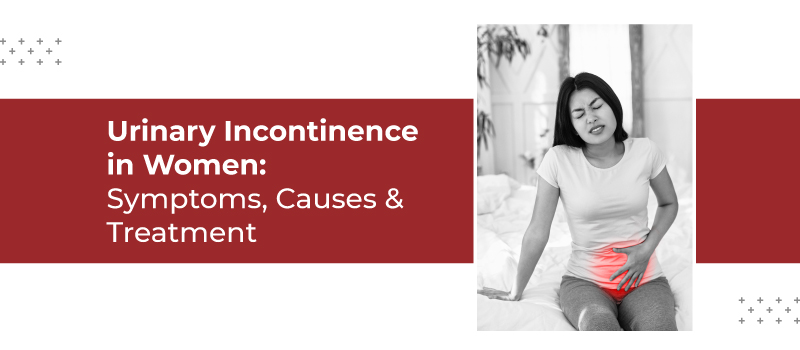
Urinary Incontinence in Women: Symptoms, Causes & Treatment

Table Of Contents

  • What is urinary incontinence?
  • Types of urinary incontinence
  • Signs and symptoms of urinary incontinence
  • Urinary Incontinence in Women
  • Temporary urinary incontinence
  • Conclusion

Urinary incontinence is a very common condition in today’s world and can be a reason for a number of factors that we tend to overlook in our day-to-day lives. It basically refers to the loss of bladder control or urine leak during regular physical activities such as sneezing, exercising, coughing, laughing, and so on, and even the complete inability to control the urge to urinate. Here, we will discuss urinary incontinence in women, its symptoms, causes, and treatment.

What is urinary incontinence?

Urinary incontinence can be defined as the loss of bladder control, often a common and quite embarrassing problem. The severity of this ailment ranges from leaking urine occasionally when you either cough or sneeze to having an extreme urge to urinate that’s so sudden and intense that you get to a toilet at times.

Although it occurs more often with growing age, urinary incontinence is not an inevitable outcome of ageing. In case urinary incontinence affects your day-to-day activities, you shouldn’t hesitate to consult with a healthcare professional. For most people, leading a simple lifestyle and carrying out required dietary changes or medical attention can treat the symptoms of urinary incontinence.

Most women experience occasional, minor leaks of urine while coughing or sneezing, while others may lose small to moderate amounts of urine more frequently. It is very important to seek medical advice as urinary incontinence may:

  • Negatively impact the quality of your life.
  • Indicate a more serious underlying condition.
  • Increase the chances of trips and falls in older adults as they rush to the toilet.
  • Cause you to restrict your daily activities and limit your social interactions.

Types of urinary incontinence

The different types of urine incontinence include:

  • Stress incontinence: This is when urine leaks whenever you exert pressure on your urinary bladder by laughing, coughing, sneezing, exercising, or lifting weights.
  • Urge incontinence: This is when you have a sudden, intense urge to urinate that’s followed by an involuntary loss of urine.
  • Overflow incontinence: This is when you experience frequent or constant dripping of urine due to a urinary bladder that doesn’t empty completely.
  • Functional incontinence: This is when a mental or physical impairment, such as rheumatoid arthritis, keeps you from making it to the toilet in time.
  • Mixed incontinence: This is when you experience more than one type of urinary incontinence. More often than not, this refers to a combination of urge incontinence and stress incontinence.

Signs and symptoms of urinary incontinence

The signs and symptoms of urinary incontinence are as follows:

  • Urine leakage while laughing, coughing, sneezing, exercising, or lifting weights.
  • Frequent urge to urinate.
  • Incomplete bladder emptying.
  • Having a weak or interrupted urine stream.
  • Chronic bedwetting, wherein you involuntarily lose urine while sleeping.

Urinary Incontinence in Women

Urinary incontinence is the involuntary leak of urine or inability to control bladder in women. It can be the result of a various reasons, such as:

  • Chronic cough
  • Constipation
  • Urinary tract infections
  • Weak pelvic floor muscles
  • Pregnancy
  • Childbirth
  • Menopause
  • Obesity
  • Diabetes
  • Nervous issues such as multiple sclerosis, Parkinson’s disease, spinal injury

Temporary urinary incontinence

Certain foods, drinks, and medications can act as diuretics, thereby stimulating your urinary bladder and increasing the volume of urine and cuase urine leak . They include:

  • Caffeine
  • Alcohol
  • Artificial sweeteners
  • Chili peppers
  • Chocolate
  • Sparkling water
  • Carbonated drinks
  • Large doses of vitamin C
  • Sedatives, heart and blood pressure medicines, and muscle relaxants
  • Citrus fruits and foods that are high in spice, sugar, and acid

Urinary incontinence may also be the result of an easily treatable medical condition such as urinary tract infections and constipation.

Persistent urinary incontinence

Urinary incontinence may also be a persistent condition that’s caused by underlying physical issues or changes, including:

  • Pregnancy
  • Childbirth
  • Menopause
  • Obstructions such as a tumor or urinary stones
  • Neurological disorders such as Parkinson’s disease, multiple sclerosis, a stroke, a spinal injury, or a brain tumor

Treatment for urinary incontinence

Treatment for urinary incontinence involves – Life style modifications, seeking professional care, physiotherapy and if required surgery

Life style modifications :

This includes avoiding alcohol and caffeine, doing pelvic floor exercises, and wearing absorbent undergarments. Bladder retraining, which involves gradually increasing the time until urination, may also be of substantial help.

Seeking professional care :

You need to see a doctor immediately in case you:

  • Suddenly began leaking urine
  • Experience additional urinary symptoms and/or
  • Are excessively thirsty and need to urinate quite frequently
  • Feeling embarrassed or starting to withdraw socially

Common medications that can be used to counter urinary incontinence are as follows:

  • Tolterodine
  • Fesoterodine
  • Trospium
  • Darifenacin
  • Solifenacin
  • Mirabegron
  • Oxybutynin
  • Antidepressants such as Imipramine

Managing Urinary Incontinence

More often than not, there are changes to your everyday life that can actually help to better your urinary incontinence. These changes usually include saying goodbye to substance abuse, doing exercises to strengthen your pelvic region, and an improved diet.

Lifestyle changes that can help in the management of urinary incontinence are as follows:

  • Emptying your urinary bladder on a regular basis and in a timely manner.
  • Emptying your urinary bladder before physical activities.
  • Avoid lifting heavy objects.
  • Regular Kegel exercises are done to strengthen your pelvic floor muscles.
  • Avoid the consumption of caffeine or a lot of any other fluid before starting any activity.
  • Wearing pads and other products to catch any leaked urine.
  • Practice bladder training to help stretch out the time between each trip to the washroom.
  • Maintaining a healthy body weight.

Pelvic Floor Exercises for Incontinence

Pelvic floor exercises, or Kegel exercises, can help improve the symptoms of urinary incontinence. Here are some tips to do Kegel exercises in the right way:

  • Identifying your pelvic floor muscles by stopping urination midstream.
  • Starting slowly with 3-second holds and 3-second relaxes, and repeating this process ten times.
  • Tightening your pelvic floor muscles as if you’re trying to lift a marble by sitting on it.
  • Avoiding flexing your thighs, abdomen, or buttocks.
  • Breathing freely throughout the exercise.
  • Doing up to 10 repetitions, 3-5 times each day.

You can start in any position, but remember that it is easier to do Kegel exercises while lying down at first.

Conclusion

Urinary incontinence can be a result of a number of factors and can affect almost anyone. It is important to keep your daily life in check and be away from substance abuse. Although you might feel uncomfortable discussing the issue of urinary incontinence with your doctor, you should visit a experienced healthcare professional if your incontinence is quite frequent or is affecting the overall quality of your life.

If you’re looking for the best treatment for your urinary incontinence problems, then we at the Asian Institute of Nephrology and Urology (AINU) are going to be your ideal destination. We at , AINU offer sophisticated care with the passion to serve patients in need. We have already set benchmarks by using the best-in-class technologies and equipment. We are equipped with state-of-the-art equipment so as to ensure an evidence-based treatment that is uniquely tailored for different patients. So, if you’re suffering from urinary incontinence problems, book an appointment with us today.

Urinary Tract Infection (UTI): Symptoms and Causes.

  • Overview
  • Symptoms and Causes of UTI
  • Symptoms
  • Risk Factors
  • Complications of UTI
  • Diagnosis and Treatment
  • FAQs

UTI, or Urinary Tract Infection refers to the infection of any part of your urinary tract. It can be the kidneys, bladder, urethra, or ureter. The infection is mostly caused by the bacteria E. coli and can be treated with antibiotics. Women are more likely to develop UTIs as compared to men.

Although it’s treatable, the infection that spreads to the kidney and other parts of the urinary tract can cause a host of painful symptoms. Fortunately, the treatment is available, and there are steps you can take to mitigate the risk of developing the infection in the first place. In this post, we’ve shared everything you should know about urinary tract infection symptoms, the causes of UTI in women, how to prevent urine infection, and the available treatment. Let’s take a look.

Symptoms and Causes of UTI

Our urinary tract system produces urine to filter waste and excess fluid from the blood. Although the process usually doesn’t involve any complications, sometimes the bacteria can enter the urinary tract, causing urinary tract infections.

As mentioned above, a UTI is a bacterial infection caused by E. coli that enters your ureter and the bladder. There’s a risk of the infection reaching your kidneys through the bladder. Anyone can get a UTI, but women are at increased risk. The bacteria is found in large intestines, and since women have the anus close to the urethra, which is close to the bladder, there is an increased risk of the infection traveling from your anus to the urethral opening and ultimately reaching the bladder.

Symptoms

  • Lower abdominal and pelvic pain
  • Cloudy urine with a weird smell
  • Frequent and sudden urges to pee
  • Inability to hold urine
  • Pain or burning sensation when peeing
  • Blood in the urine

In rare cases, you might experience fever, chills, nausea, and fatigue. If you notice any of the above symptoms, see your doctor immediately. They will diagnose the type of infection and recommend a suitable treatment accordingly.

Risk Factors

Any woman can develop a UTI because of their anatomy. Since there’s very little gap between the urethra and the anus, the bacteria has less distance to cover when traveling to the bladder. This puts them at an increased risk of getting urinary tract infections. Sexual activity can also increase your risk of catching an infection, especially if you have multiple sexual partners. Women who have entered menopause are also at a high risk of getting UTIs because of a lack of estrogen. Other than these, the below-listed risk factors increase your risk of developing an UTI.

  • Urinary Tract Problems: Children born with a birth defect in their urinary tract system might have trouble peeing. The excess pee stored in the bladder can increase the risk of an UTI.
  • Kidney Stones: Kidney stones block urine from passing through the bladder, which can eventually result in a UTI.
  • Weak Immune System: If your immune system isn’t working optimally or has been temporarily suppressed due to an organ transplant or other medical requirements, your body might not be able to kill bacteria. This increases the risk of a urinary tract infection.
  • Catheter: Those who are unable to urinate naturally and are using a catheter to empty their bladder are at high risk of developing an infection.
  • Urinary Procedure: If you have recently undergone a urinary procedure that involves the use of a medical instrument, you might be at an increased risk of UTI.

Complications of UTI

UTIs do not really cause any major complications, but the symptoms can be embarrassing and painful. If it’s left untreated for a long time, a UTI can lead to:

  • Repeated infection
  • Kidney damage from repeated and untreated UTIs
  • Complications in pregnancy, i.e., high risk of low birth weight
  • Sepsis

It’s important to seek medical help immediately if you suspect a urinary tract infection. Pain while peeing or blood in the urine is never common. They are mostly caused by an underlying medical condition, which is why it’s important to get evaluated to rule out the possibility of any serious health issues.

Diagnosis and Treatment

A UTI can be diagnosed with a urinalysis. In this case, a sample of your urine is sent to the lab to test for the presence of a bacterial infection in your urinary tract. An ultrasound might be needed if you have repeated UTIs that don’t respond to the antibiotics. Likewise, your healthcare provider might recommend a cystoscopy to take a look inside your bladder to detect infection.

The best treatment for UTIs is antibiotics. You will be prescribed antibiotics, depending on the type of infection and the complications. It’s important to take your medicines for the duration recommended by your doctor, even if your symptoms go away. If the UTI returns, it will be more difficult to treat.

That was all about the urinary tract infection. It’s important to see a medical specialist if you notice any of the above-mentioned symptoms, as an UTI can be difficult to treat if it reaches your bladder.

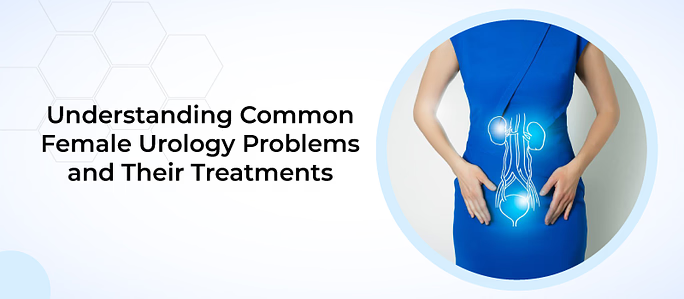
Understanding Common Female Urology Problems and Their Treatments

  • Overview
  • 1. Postpartum Urinary Incontinence (UI)
  • 2. Urinary Tract Infection
  • 3. Overactive Bladder
  • 4. Pelvic Issues
  • 5. Prolapsed Vagina
  • Frequently Asked Questions

The Top 5 Most Common Female Urology Problems and Their Treatments

Many women experience urological problems and diseases, but very few seek proper medical assistance. Simply put, urology is a domain of health pertaining to the problems of the urinary tract system. It encompasses organs such as the ureter, urethra, kidneys, bladder, and reproductive organs.

Indeed, a taboo surrounds female urological conditions, but having an open conversation about the same and getting the facts right are the first few things one can do to bring about the necessary changes. In addition, the fact that the ratio of female doctors and female urology specialists in the relevant departments of hospitals is very low also inhibits women from seeking timely care.

In this blog, we will attempt to break the taboo engulfing female urology problems and distinguish facts from fiction.

1. Postpartum Urinary Incontinence (UI)

Stress is part of life. However, excessive stress can contribute to poor health, increase our blood pressure, and even damage the kidneys. The prevalence of Chronic Kidney Disease (CKD) has proliferated in the past two decades. The rising rate of CKD has been attributed to comorbidities such as Diabetes, Hypertension, and obesity. But recent research has begun to acknowledge and explore the implications of social, economic, and psychological factors on CKD. In this blog, we will explore the impact of stress on kidney function and gauge ways to manage it.

Treatment: Multiple non-invasive physical and behavioral therapies, such as pelvic floor therapy, and even medications are available to tackle the issue. In extreme cases, surgery is also an option.

2. Urinary Tract Infection

Alternately known as UTI, Urinary Tract Infection is a female urology problem that occurs due to the accumulation of bacteria in the urinary tract or urinary organs, such as the bladder. The bacteria cause infections that lead to disruptions in routines, culminating in the symptoms of the disease. Several factors can contribute to UTs, such as constipation, exposure to unhygienic surroundings like using a public toilet, improper intake of fluid, and more.

If left untreated, UTIs can reach chronic levels. Some of the common symptoms of UTI include:

  • Unusual smell in the urine
  • Difficulty urinating
  • Trouble starting and stopping urination
  • Burning sensation during urination

Treatment: Multiple female urology procedures are available to deal with the problem. Mostly, antibiotics are prescribed by urologists for women to deal with the problem.

3. Overactive Bladder

The third most common urology problem affecting women is an overactive bladder (OAB). The term ‘overactive bladder’ is often used to describe a series of urological symptoms. Simply put, OAB is a sudden and uncontrollable urge to urinate. It can also manifest as a frequent urge to urinate. The condition is unique to every woman, and its effects are premised on various factors, such as pregnancy, UTI, postpartum, and more.

Treatment: Usually, an overactive bladder is treatable with lifestyle changes, such as reducing alcohol or caffeine intake. However, in severe situations, it is best to consult a trusted female urologist in Hyderabad.

4. Pelvic Issues

The fourth female urology condition on our list pertains to the pelvis. To begin with, the pelvic muscles are integral elements that support the vagina, bladder, and rectum. They are bowl-shaped groups of muscles found in the lower body. After childbirth, the pelvic muscles may begin to experience some problems in their usual functioning. Symptoms of pelvic issues include:

  • Pain during intercourse
  • Pain in the lower back and thighs
  • Dripping at the end of urination
  • Swelling in your hands, legs, or feet

Treatment: Pelvic floor therapies can help mitigate the issue.

5. Prolapsed Vagina

Last but not least, a prolapsed vagina is a common urology problem among women. It is a condition that occurs postpartum. During childbirth, the walls and muscles of a woman’s vagina stretch, causing the muscles to grow thin. The thinning remains for prolonged periods, owing to insufficient relaxation of the pelvic and vaginal areas.

Due to weak vaginal muscles, the organs can get displaced, resulting in the bulging or swelling of the vagina. The swelling can cause discomfort when sitting or standing. Besides, intercourse also feels painful.

Treatment: Mild cases of prolapsed vagina can be reprimanded with kegel exercises.

So, there we have it: a crisp overview of the top 5 most common female urology problems.

FAQs

1. What does a urologist do for females?

Ans. A urologist is a specialist who provides diagnosis and treatment for diseases and conditions related to the urinary tract system in both males and females. While traditionally urologists have been associated with treating male-specific conditions, such as prostate problems and reproductive issues, they also play an important role in the healthcare of women.

2. How does a urologist check a woman’s bladder?

Ans. A urologist checks a woman’s bladder using a small instrument known as the cystoscope.

3. Can I see a urologist during my period?

Ans. Yes, you can see a urologist during your period.

4. What is Urogynecology vs. Urology?

Urology is a more generic field of medicine and deals with men, women, and children. Urogynecology, on the other hand, pertains to matters of the woman’s pelvic floor.

5. What causes urology problems?

Many reasons can cause urology problems among women, such as UTIs, kidney infections, symptoms of bladder stones in females, polycystic renal diseases, and more.

Pregnancy and kidney problems

Table Of Contents

  • Overview
  • Urinary infections (cystitis)
  • Hydronephrosis
  • Kidney stones
  • Acute kidney injury
  • Hypertensive diseases
  • Gestational hypertension
  • Pre-eclampsia (Pregnancy Induced Hypertension)
  • Treatment
  • Conclusion

Though pregnancy is a physiological process most of the time, it can cause kidney problems in some of the women.

Urinary infections (cystitis)

Painful urination with frequency is common in patients with urinary bladder infection.

Hydronephrosis

The volume and size of the Kidneys increase in pregnancy by about 1 cm, because of this some of pregnant women are particularly susceptible to ascending pyelonephritis as a result of bladder infections

Kidney stones

Severe abdominal (or) flank pain along with passage of blood in the urine due to kidney stones is common in some pregnant women

Acute kidney injury

Most common cause of Acute Kidney Injury in pregnancy is dehydration owing to hyperemesis gravidarum i.e excessive vomiting.

Hypertensive diseases

These include gestational hypertension, pregnancy induced hypertension, existing hypertension of any cause and Pre-eclampsia superimposed on pre-existing hypertension.

Gestational hypertension

Pregnant women with BP greater than 140/90 mmHg without loss of protein in urine and whose BP was lower before pregnancy are described as having gestational hypertension.

Pre-eclampsia (Pregnancy Induced Hypertension)

It is the most common renal complication of pregnancy. It is characterized by new onset of hypertension after 20 weeks of pregnancy BP >140/90 mmHg associated with loss of protein in urine and swellings of legs.

Treatment

It should be given according to the category with anti hypertensive medications

Conclusion

At Ainu, we have best Kidney Urologist doctors in Hyderbad related problems are common during pregnancy which should be evaluated at the earliest and taken care by team of health personnel.

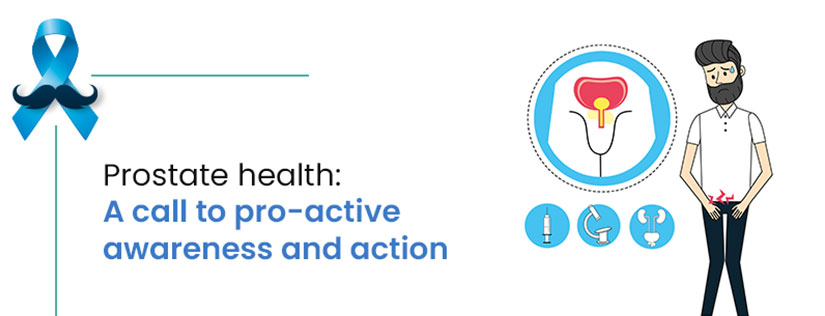
Prostate health: A call to pro-active awareness and action

Visakhapatnam: India has one of the world’s largest and fastest-growing populations of aging men. While it is commonly known that men in this age group suffer from ailments like type 2 diabetes, high blood pressure and cholesterol, even cataract, the huge burden of morbidity imposed by a condition called benign prostatic hyperplasia or BPH – suffered by many of these very men, is largely unheard of by the public. BPH is an age-related enlargement of the prostate which creates an obstruction to the outflow path of urine, producing troublesome symptoms that lead to the increased daytime frequency of urination, getting up frequently from sleep at night to pass urine, straining to improve the weak stream of urine, and feeling incompletely satisfied even after having just passed urine.

Research data from India show that almost 65% of men aged 40 years and above suffered from these annoying symptoms. Then why are most of these patient’s ‘unseen’?

According to Dr. Ravindra Varma from AINU Hospital , who is known as one of the best urologist doctor in hyderabad ; “Most of these patients ‘normalize’ their symptoms, as an inevitable consequence of aging often quoting examples of their father, uncles, elder brothers and other male friends, relatives, and acquaintances or attribute it solely to external factors like cold weather and their drinking too much water. They continue to suffer symptoms in silence and develop various strategies to cope with them until they markedly worsen, and complications develop. Only then do they approach a doctor”

According to Dr Ravindra Varma, Urologist, AINU Hospital “The patients suffering from BPH are always on the look-out for washrooms wherever they go – a behavior called toilet mapping, passing urine every time they go outdoors or retire to bed, cutting down on fluid intake more than needed and ultimately, not venturing out of doors or on long trips at all – either for socializing, work or even pleasure. This mostly happens due to embarrassing involuntary leakage of urine onto their garments (medically termed as incontinence) which occurs due to the inability to postpone the severe urge to urinate – medically termed as urgency.”

In addition, if untreated, other problems like recurrent acute urinary retention (sudden painful inability to pass urine), recurrent urinary infections, the formation of stones, and even damage to and failure of both kidneys can soon set in. These not only impose additional morbidity on the patient but also mean additional cost burden of surgery on the patient and his family. In many cases, the problem cannot be remedied by surgery and the patient may need to be put on lifelong catheterization or even dialysis.

Diagnosis of BPH is made by a mixture of physical, radiographic examinations and a few lab tests. Physical examination includes DRE (digital rectal examination), which involves a physical examination of the prostate is important to screen it from palpable prostate cancer. Abdominal and pelvic ultrasound also indicates the size of the prostate gland. Lab tests include PSA (Prostate-specific antigen). PSA is a protein that is made only by the prostate. When the prostate is healthy, very little PSA is found in the blood.

By the adoption of a healthy lifestyle and behaviors as well as cost-effective medications, the management of BPH is possible. Further, surgical removal of prostatic tissue is the last step if symptoms are uncontrolled or if complications like infections, stones, kidney damage etc.develop.It is indeed unfortunate that even in today’s day and age, where we have a host of effective and safe drugs and surgical techniques for patients with all kinds of limiting conditions, many patients still continue to suffer in silence, frequently approaching the doctor first only after they have landed into complications.

The first step in this direction is to create awareness of this condition and the availability of the treatments. It is not ‘normal’ that any aging male must accept and suffer prostate problems as a part and parcel of aging. This September, as we observe the Prostate Health Awareness Month, let us take an opportunity to create awareness on men’s health. Men usually tend to ignore their health and this awareness month is intending to provide easily accessible prostate health information via www.whatarelief.in – a digital asset created for patient awareness and education. To know more about the symptoms and treatment, visit the website. Remember, leaving it untreated could lead to more troublesome complications, imposing a heavier dual burden of morbidity and cost on the patient and his family

limiting calorie dense diet along with regular monitoring of Blood Sugar and Blood pressure are enforced by all of us.


About Author

Dr. G. Ravindra Varma,
Managing Director
MS, M.Ch (Uro)
Senior consultant urologist
Visakhapatnam

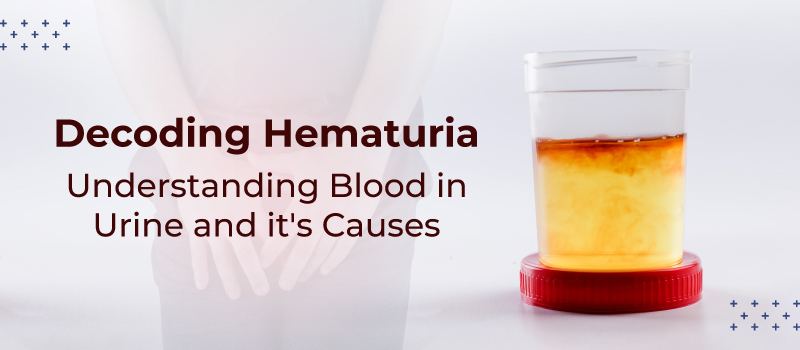
Decoding Hematuria: Understanding Blood in Urine and it’s Causes

  • Overview
  • 1. What is Hematuria?
  • 2.Who can get Hematuria?
  • 3.Hematuria Causes Explained
  • 4. The Symptoms of Hematuria
  • 5.When should you meet a specialist?
  • 6. Frequently Asked Questions

Anyone who sees blood in their urine feels scared. This is a natural reaction. But finding blood in the urine may not mean you have a lethal disease. If you can see the blood, it’s known as gross hematuria. Blood that cannot be seen by the naked eye is known as microscopic hematuria. It’s called microscopic because you need a lab microscope to spot the blood.

Nonetheless, it is worrisome to spot blood. If you have seen blood in urine, you must visit a urologist to get a proper diagnosis. Until then, we have mentioned the causes, symptoms, and prevention in this quick post.

1.What is Hematuria?

Hematuria is a medical condition in which you spotblood in urine.

Untreated hematuria leads to a range of problems, which is why people meet with a urologist before taking any medication or treatment. Doctors will help you treat this problem and find the root cause of it.

2.Who can get Hematuria?

You can find blood in female urine as well as blood in male urine. It is alarming for both sexes.

But the causes may be different. For example, a woman may be menstruating, and all she is saying is blood from her period. Whereas a man may have an enlarged prostate, which is causing the bleeding. So, both men and women can get hematuria for several reasons.

3.Hematuria Causes Explained

There could be a number of reasons for seeing blood in the urine.

Causes of blood in urine include the following:

  • UTI, or Urinary Tract infection, means you are experiencing an infection in the urinary system.
  • Cystitis is when you have an inflamed bladder. This hurts and causes discomfort.
  • Urinary stones are when doctors find stones in the kidneys or bladder.
  • Pyelonephritis is an infection that reaches the kidney.
  • An enlarged prostate could be another reason for seeing blood in the urine. It is a non-cancerous medical condition where your prostate gets larger in size.
  • Menstruation is when you find blood in your urine during your period.
  • Kidney disease is when your kidneys are damaged due to smoking, genetics, or certain antibiotics.
  • An injury near your genitals could also lead to blood in your urine. But this blood may not be coming from inside.
  • Being careful outdoors and taking better care of your health can help prevent the hematuria condition.

4.The Symptoms of Hematuria

Now that you know what causes hematuria, it is essential to know the symptoms. This will give you an idea if you should meet a specialist and get a diagnosis.

Symptoms include coloured urine. It may be red, pink, or cola-colored. Blame it on the red blood cells; they change the colour of the urine. It takes a tiny amount of blood to turn your urine red.

The bleeding does not cause pain, but if the urine is passing blood clots, then it may hurt.

When should you meet a specialist?

Hematuria treatment is a necessity. See your healthcare provider when you spot blood or anything uncanny in your urine.

Red urine does not have to come from red blood cells. You already know about the causes and symptoms, so spotting the alarming signs will be easier.

Please note that certain foods may also turn your urine pink or red. Nonetheless, you should speak to a professional and rule out any lethal diseases.

The best urology hospital in Hyderabad can help. Meet a specialist today; they will take away all your fears.

Pus Cells in Urine: Normal Range, Causes, Tests, and Treatment

Table Of Contents

  • Overview
  • What are Pus Cells in Urine?
  • Are Pus Cells in Urine Normal?
  • Causes and Symptoms of Pus Cells in Urine
  • Common Symptoms of Pyuria:
  • How Is Pyuria Diagnosed?
  • Treatment for Pus Cells in Urine
  • Complications of Pyuria
  • FAQs

You may have seen pus cells, an off-white fluid that secretes from the injured site, usually from a popped pimple. Excess pus from any incision or wound indicates you have suffered an infection, which your immune system is actively fighting. Simply put, it’s a sign your white blood cells have fought the infection successfully. Our immune system releases white blood cells to the target site if it notices a virus, bacteria, or any pathogen within your system. The pus color could also vary from off-white to yellowish to brown.

But what if these pus cells are found in urine? Is it normal? Or does it indicate an underlying medical condition?

What are Pus Cells in Your Urine?

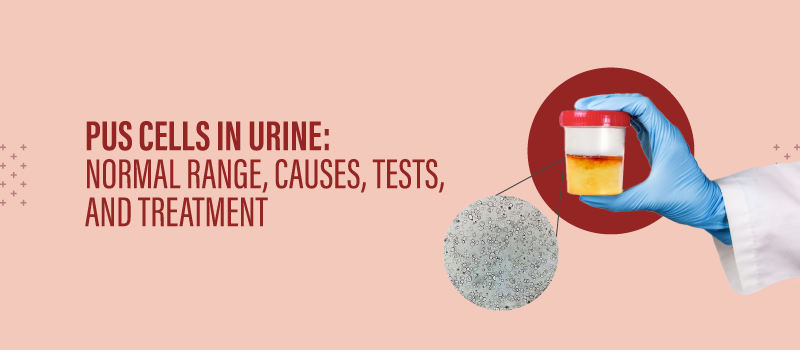
Pus in the urine is called pyuria. Some of it is considered normal, as these are just the dead white blood cells, but if they are found in excess, you might need to get the screening. Pyuria is also classified into two types: sterile and non-sterile pyuria.

  • Sterile Pyuria – Pus cells are present, but no bacteria or pathogens are detected in the urine.
  • Non-Sterile Pyuria – Pus cells are found alongside a bacterial or viral infection.

Note that it’s possible that your urine shows sterile pyuria, but you have a viral infection or an undetected bacterial infection. These tests might not diagnose all kinds of infections, which is why further testing is necessary to identify the root cause of the issue and determine the most effective treatment.

Are Pus Cells in Urine Normal?

As mentioned previously, some pus cells in your urine are considered normal, but an excess of them can indicate a medical concern, like a problem in kidney function or a urinary tract infection. The doctor will recommend a urine analysis test to determine the quantity and type of pus cells present.

In rare cases, pus cells in urine might indicate sepsis. It’s best to consult a healthcare specialist to get a proper diagnosis. They might recommend a few crucial tests to determine the cause of the pus in the urine and diagnose the underlying medical condition. If you notice cloudy urine or a sudden change in urine color, see a urologist immediately.

The pus cells normal range in urine is between 0 and 5/HPF. Anything above that, especially if it reaches 10–12/HPF, is considered an infection. If your urine analysis shows 10–12 HPF pus cells, you have most likely contracted a bacterial infection or urinary tract infection. Many factors can influence the presence of pus cells in your urine, ranging from hormonal conditions to underlying medical issues. If your reports show higher-than-average pus cells, the doctor might recommend further tests to rule out the possibility of sexually transmitted diseases.

Causes and Symptoms of Pus Cells in Urine

A bacterial or viral infection can cause pus cells in the urine. The most common cause is a urinary tract infection (UTI), but other underlying medical conditions can also contribute. Here are a few common causes of pyuria:

  • Urinary Tract Infection (UTI) – The leading cause of pus cells in urine, UTIs occur when bacteria enter the urinary tract, leading to inflammation and infection.
  • Kidney Stones – Stones in the kidneys can cause irritation and block urine flow, leading to infections and pus cell formation.
  • Sexually Transmitted Infections (STIs) – Diseases such as gonorrhea or chlamydia can result in increased pus cells in urine.
  • Pneumonia – In rare cases, systemic infections like pneumonia can cause pyuria.
  • Sepsis – A severe bacterial infection that spreads into the bloodstream can lead to increased pus cells in urine.
  • Tuberculosis of the Urinary Tract – This rare but serious condition may cause persistent sterile pyuria.
  • Certain Medications – Some antibiotics, pain relievers, and chemotherapy drugs can cause temporary increases in pus cell levels.

Coming to the symptoms, the most common symptoms of pyuria are thick, off-whitish fluid leaking from your urine. Your urine color and texture might be different than usual. It could appear cloudy. Pus cells from UTI will be associated with burning sensation when peeing, foul-smelling urine, a sudden urge to urinate, fever, pelvic pressure and pain,urgency urinary incontinence, and nausea.

Common Symptoms of Pyuria:

Common symptoms of pyuria include thick, off-whitish fluid leaking from your urine. Your urine color and texture might be different than usual, appearing cloudy. If pus cells in urine normal range is exceeded due to a urinary tract infection, you might notice other symptoms, such as:

  • A burning sensation when urinating
  • Foul-smelling urine
  • A sudden urge to urinate
  • Fever
  • Pelvic pressure and pain
  • Urinary incontinence
  • Nausea

How Is Pyuria Diagnosed?

Pyuria can be diagnosed with a routine urine test. No special preparation is required from the patient’s end. A urine sample is collected and analyzed under a microscope to determine the number of pus cells present.

Your reports are considered normal if the pus cell count doesn’t exceed 5-7/HPF. If the count is above 5/HPF, the doctor may recommend further tests, such as:

  • Urine Culture Test – Identifies the type of bacteria present in urine.
  • Blood Tests – Detects infections or kidney problems.
  • Imaging Tests (Ultrasound, CT Scan) – Determines if kidney stones or structural abnormalities are causing the condition.
  • STD Testing – Helps rule out sexually transmitted infections as a cause.

The culture and sensitivity test helps determine the appropriate antibiotics if the condition is due to a bacterial infection.

Treatment for Pus Cells in Urine

Reducing pus cells in your urine is possible only when the underlying medical condition is treated. Common approaches include:

  • Antibiotics – Prescribed for bacterial infections such as UTIs or kidney infections.
  • Pain Relievers – Helps manage discomfort associated with infections or kidney stones.
  • Increased Fluid Intake – Drinking plenty of water can flush out bacteria naturally.
  • Medications for Underlying Conditions – If the cause is a chronic illness, targeted treatment is necessary.
  • Surgical Intervention – In severe cases, such as kidney stones or structural abnormalities, surgical procedures may be required.

Remember, pyuria itself isn’t a disease; it’s an indication of an underlying medical condition that needs medical attention. In some cases, surgical intervention might be necessary, but most urinary tract infections can be treated with medication.

Complications of Pyuria

While pyuria is normal in some cases, if it is associated with an underlying health condition, it can lead to complications such as:

  • Sepsis (Life-Threatening Infection)
  • Chronic Kidney Disease or Kidney Failure
  • Preterm Birth or Low Birth Weight in Pregnant Women
  • Recurring UTIs and Bladder Infections

If you experience any symptoms of pyuria, consult a urologist immediately.

UroLift Procedure: The Non-Surgical Solution for BPH

Table Of Contents

  • UroLift Procedure: The Non-Surgical Solution for BPH
  • What is the UroLift Procedure?
  • BPH Symptoms
  • Conducting the UroLift Procedure
  • Benefits of the Urolift Procedure
  • Which is better: TURP or UroLift?
  • Is UroLift a successful procedure?
  • What does UroLift cost?
  • How long can aUroLift last?
  • Does UroLift damage the prostate?

UroLift Procedure: The Non-Surgical Solution for BPH

As men age, they can experience an enlargement of the prostate resulting from a condition called BPH, or Benign Prostatic Hyperplasia. Although benign, this condition can cause significant challenges in our daily lives because the enlarged prostate can obstruct the urethra. Consequently, the individual suffering from BPH may experience symptoms like difficulty in urination. To resolve this issue, typically medications are used or a TURP surgery is advised, which is invasive and needs a reasonably long recovery time. An alternative option to that is the UroLift Procedure, which we will be discussing in this article.

What is the UroLift Procedure?

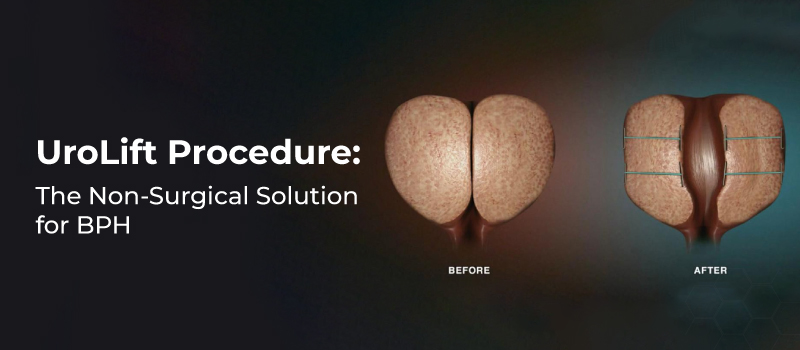
The UroLift Prostate Procedure is a minimally invasive treatment procedure to treat BPH in men. This procedure is conducted by utilising small implants, which are used to lift and hold the enlarged tissue in the prostate. This helps in relieving the obstruction of urethra and in turn resolving the BPH symptoms. Since this procedure does not require any major surgical processes, including cutting or removing the tissue, it is much safer and aids in quick recovery post-procedure. By relieving the obstruction of the urethra, this procedure helps to improve the quality of life of the individual suffering from BPH, as they do not experience the difficulty in urination.

Before opting for the Urolift Procedure, it is critical to consult a medical professional and understand the requirements for one’s particular case.

BPH Symptoms

Knowing the symptoms of BPH is essential for identifying the issue. The main symptoms a patient may experience include the following:

  • Slow or weak urine stream
  • Inconsistent urine stream that often stops and starts in between
  • Frequent urination at all times
  • Inability to hold urination or getting an urgent feeling to urinate
  • Experiencing difficulty initiating urination
  • Sense of incomplete emptying of the urinary bladder

Conducting the UroLift Procedure

Although it is not a surgical procedure that involves any sort of cutting on the patient’s body, the UroLift procedure does involve multiple steps that need to be conducted precisely. The main steps included in this procedure include the following:

  • Introducing the delivery device into the urethra until it reaches the enlarged prostate region. Since it is inserted through the urethra, there is no need for any cuts or incisions.
  • The next step involves lodging and placing the small implants (typically 4-6) to hold the enlarged tissue of the prostate. These implants successfully keep the enlarged tissue out of the way, thereby ensuring that the urethra is not obstructed, and providing relief to the patients.
  • The last step involves pulling back the delivery device after the implants have been placed and the urethra is opened. Once the procedure is completed, the patients tend to gain improvement of their urinary symptoms as the relief progresses.

With such minimal steps involved, there are very limited and temporary UroLift procedure side effects that one may experience. Typical side effects of this procedure can include temporary pain in the pelvic region, difficulty or pain during urination, increased urination frequency, and experiencing discomfort in the bladder or prostate region. However, it is essential to remember that the pain experienced is considerably less than with methods like TURP surgery, and patients are sure to make a quicker recovery from the procedure.

Benefits of the Urolift Procedure

The UroLift treatment procedure for BPH offers a lot of benefits to the patients, which has led it to become an increasingly popular treatment choice. Some of the core advantages of this procedure include the following:

  • Shorter Duration of Procedure: The Urolift treatment is known for being a quick procedure that can be completed from start to finish in under an hour. Because there are no cutting or invasive steps involved, the process is quite time-efficient.
  • Quicker Recovery: Since there is no invasive surgery needed, there are fewer things that the body needs to recover from. As such, the recovery to complete normalcy is comparatively more rapid for this procedure as compared to more invasive treatments.
  • No Long-Term Medications: By getting a minimally invasive procedure, patients save themselves from having to consume medications for a long time, which is typically part of medication therapy treatment for BPH.
  • No major concerning sexual side-effects such as retrograde ejaculation which is commonly found with other surgical interventions for BPH such as TURP. There is no impact on the sexual functions with urolift procedure. By making the patients free from the medications, it rather helps in improving and recovering from the sexual side-effects of the medications as well.

With so many benefits, the urolift treatment stands out as a safer option to pick. This procedure is also known for helping men retain sexual function, which can be hampered by other treatments.

However, after undergoing this procedure, it is essential that the patients follow precautionary care to ensure a full and rapid recovery. Some ways to practice care would include avoiding lifting heavy weights or engaging in strenuous exercises or activities for the duration prescribed by the doctors. Additionally, the patients need to avoid sexual activities

until they recover. Lastly, a focus on recovery should include a healthy diet and the consumption of adequate water.

Which is better: TURP or UroLift?

TURP is a traditional surgery to aid BPH in men. Compared to it, UroLift is a much less invasive procedure with little to no risks involved.

Is UroLift a successful procedure?

Compared to other treatments available in India, the UroLift procedure promises a higher success rate in men. The duration of recovery for this procedure is also much shorter, and the pain experienced is much less, making it a better choice.

What does UroLift cost?

Although in general the cost of a UroLift procedure can vary depending upon the individual case complexity as well as the region within India where it is being conducted, it can typically fall within the range of INR 1,50,000 to 3,50,000.

How long can aUroLift last?

Conducting the UroLift procedure does not take very long. In a mere 20-30 minutes, the procedure can be easily completed.

Does UroLift damage the prostate?

The UroLift procedure is designed to be minimally invasive. As such, it does not harm the prostate. In fact, the aim is to protect prostate function.

Book an Appointment