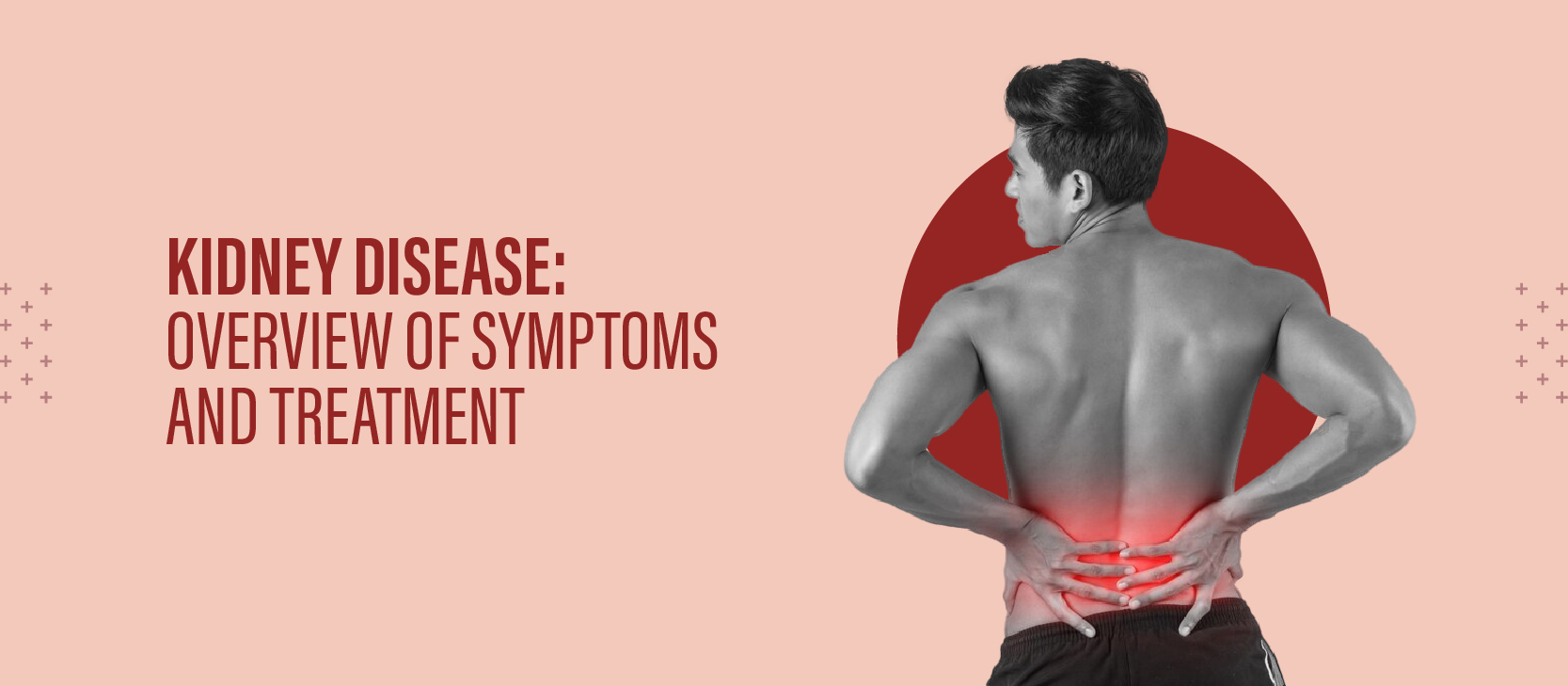
Kidney Disease: Overview of Symptoms and Treatment


Kidney disease rarely announces itself clearly. It tends to slip into daily routines in small, confusing ways. Someone feels more tired than usual and assumes it is work; ankles looks swollen ,early morning facial puffiness. There might be changes in urination that feel like a temporary change, so they are ignored. The body does not show clear warning signs, and that is part of what makes this illness hard to understand. It often lives in the background for a long time, quietly shaping how the body feels before anyone realizes what’s happening.

What People Notice Before They Worry

Most people don’t start by thinking something is wrong with their kidneys.The early signs of kidney diseasetend to look like ordinary discomforts: easy fatiguability changes in the urinary pattern ,trouble concentrating, or a dull sense that the body feels heavier than it used to. When kidney disease symptoms show up this way, they don’t feel urgent; they feel vague.

That vagueness can be unsettling later, when someone looks back and realises how long the body had been trying to speak. As the condition deepens, the signs of kidney disease become harder to ignore. Shortness of breath, nausea, or foamy urine begins to interrupt normal days. For those living with chronic kidney disease, the changes often arrive so slowly that it is difficult to say when it began. The body adapts, and that adaptation can hide how serious things have become.

Understanding Causes Without Blame

When people first hear about the causes of kidney disease , the list can feel overwhelming. Diabetes, high blood pressure, infections, long term use of painkiller or alternative medication and genetics. Conditions like polycystic kidney disease complicate the story even more, because they are not caused by lifestyle or habits in any simple way. This is where many people struggle. There is a quiet urge to find a single reason, something to blame or fix. But kidney disease often comes from layers of things building over time. That reality is uncomfortable. It does not offer a clean explanation. It asks for patience instead.

The Question That Comes Up Too Late

For many people,Kidney diseaseis not discovered because something suddenly feels wrong. It is found when a routine blood test looks unfamiliar, when swelling lingers longer than expected, or when fatigue refuses to pass. Only then does the question surface: how long has this been happening?

Seeing a kidney specialist often marks a shift. Appointments bring more information, but not always immediate clarity. What follows is often a period of watching, retesting, and waiting; a stretch of time that can feel more unsettling than bad news itself.

At AINU Hospitals, this is often where we first meet patients. Across our centres, we focus on early recognition, careful evaluation, and clear conversations, so people understand what their kidneys are telling them before uncertainty turns into delay.

Treatment Is Not What People Imagine

There is an assumption that kidney disease treatment means aggressive action right away, like strong medications, big interventions, or something that feels decisive. In reality, treatment is often quieter than expected. It might involve adjusting blood pressure medication, changing how fluids are managed, or simply watching how the kidneys respond over time. What quietly works is consistency, showing up for lab work, taking medication even when symptoms do not change, and making small adjustments that feel almost pointless day to day. What people assume should work is usually faster and louder, like a single fix or a clear turning point. Kidney disease does not often offer that kind of relief. This is where we, at AINU Hospitals, take a measured and personalised approach. Our kidney and urology teams work together to guide treatment thoughtfully, helping patients move forward without fear or unnecessary intervention.

What Life Looks Like With Chronic Kidney Disease

The phrase chronic kidney disease sounds heavy. But most people continue working, cooking, caring for family, and making plans while adjusting to changes they cannot always predict. The chronic kidney disease symptoms can be unpredictable, which makes planning difficult. Fatigue may appear without warning. Appetite can shift. Sleep may become lighter or disrupted, even on days that otherwise feel normal. What weighs on many people is not only the symptoms but also the uncertainty that comes with them. It is hard to know which days will feel steady and which will not, or how quickly things might change. Some periods pass with little disruption. Others feel fragile. That uncertainty settles into daily life, shaping routines, decisions, and expectations, even when it is not spoken about openly.

Why Patients Trust AINU for Kidney and Urology Care

At AINU Hospitals, we believe treatment works best when it is both precise and personal. We bring together experienced urologists, nephrologists, and support teams who work closely to understand each patient’s condition in detail. Across our centres, we use minimally invasive techniques, advanced laser procedures, and modern diagnostic tools to manage kidney and urology concerns with care and accuracy. From early evaluation to long-term follow-up, we focus on clear communication and consistent support, so patients never feel rushed or unheard. Our infrastructure is designed to handle both routine and complex cases, backed by strong ICU support and strict infection control. More than outcomes alone, we value trust, comfort, and helping people regain confidence in everyday life.

Final Thoughts

What does not get discussed enough is how lonely kidney disease can feel. It is not always visible. It does not always come with pain that others can see. People may look fine while feeling deeply unwell. Explaining that contradiction takes effort, and sometimes it feels easier not to explain at all. Understanding kidney disease often comes slowly, through lived moments rather than clear instructions. It shows up in how someone learns to listen to their body differently, in how expectations shift, and in how patience becomes less of a virtue and more of a necessity. There is no neat ending to that process, just an ongoing attempt to make sense of what the body is doing now.
Understanding the Kidney Transplant Journey

Most people do not think about their kidneys until something goes wrong. They are quiet organs, doing their work in the background, filtering blood and balancing fluids without asking for attention.

When kidney failure enters the picture, it rarely arrives loudly. t often shows up through tiredness that does not disappear, swelling that feels odd, or lab reports that start to look unfamiliar. That slow buildup is part of what makes this issue confusing. People are already overwhelmed by the time the idea of kidney transplantation is mentioned. There is also fear attached to the word transplant. It sounds final and heavy, like a line has been crossed. Many people wonder if it means life will never feel normal again, or if it already means something has gone terribly wrong.

Why Kidney Transplant Becomes a Consideration

Dialysis keeps people alive, but it is demanding in ways that are hard to explain until someone lives with it. Hours disappear each week, energy shrinks, travel becomes complicated, and food becomes something to negotiate rather than enjoy.

At some point, doctors start talking about kidney transplantas another path, not necessarily an easy one, but a different kind of life. This is where people often struggle. Is a transplant really better, or are just different problems traded for new ones? That question lingers for a long time. It does not have a clean answer, because bodies respond differently and lives are shaped by more than medical charts. At AINU Hospitals, we see this moment as a turning point, not an end. We guide patients through understanding whether a kidney transplant truly fits their health, lifestyle, and long-term goals, without rushing the decision.

The Evaluation Feels Like A Test You Didn’t Study For

The kidney transplant evaluation process is long and, at times, quietly overwhelming. On paper, it is a series of tests, scans, blood work, and consultations. In reality, it can feel like being assessed not just medically, but personally. Every past infection, every habit, every relationship, and every support system is examined. That can feel intrusive, even unfair, especially when you are already exhausted from years of illness. This process exists to protect you and the donated kidney, to make sure the transplant has the best possible chance of lasting.

What Actually Happens During Surgery

The idea of transplant surgery sounds intense, but many people are surprised to learn that the old kidneys often stay where they are. The kidney transplant procedure involves placing the new kidney in the lower abdomen and connecting it to blood vessels and the bladder. It is major surgery, but not always in the way people imagine. Recovery is not instant. The body needs time to accept the new organ, and medications become a daily reality. Some people feel better quickly. Others need time. There is no single timeline that applies to everyone.At AINU Hospitals, we focus on making the transplant journey as clear and reassuring as possible, explaining each step so patients and families feel informed, supported, and prepared rather than overwhelmed.

Costs That No One Likes To Talk About

Money is an uncomfortable part of this conversation, but it is impossible to ignore. Kidney transplant cost includes surgery, hospital stay, medications, follow-up tests, and long-term care. Even when insurance or government programs help, families often feel the financial pressure. People are often confused about what is covered and what is not. The uncertainty can be as stressful. It is common to feel hesitant asking questions about money, even though it affects every decision.

Outcomes That Feel Both Hopeful And Fragile

Statistics get mentioned often, especially when people search for reassurance. Numbers like kidney transplant success rate in India can sound encouraging, and they often are. But success rates do not describe daily life. They do not show medication side effects, anxiety before lab reports, or the relief of drinking water without counting every sip. A transplant is not a cure. It is a treatment that needs care and attention. That reality can be disappointing for those who expect a clear finish line, but it can also feel manageable once it becomes familiar.

Adjusting To A Different Normal

After surgery, life slowly reshapes itself. Medications become routine. Clinic visits become less frequent but never disappear completely. People learn to watch for signs of rejection. What surprises many is how emotional the adjustment can be. Gratitude sits next to fear, and relief sits next to responsibility. It takes time to trust the body again.

Kidney Care at AINU Hospitals

At AINU Hospitals, we’ve built our kidney care around one simple belief: patients deserve clarity, continuity, and confidence at every stage. As a dedicated nephrology and kidney transplant centre, we bring together experienced nephrologists, skilled transplant surgeons, advanced diagnostics, and integrated dialysis and ICU support under one roof. With over 300 successful kidney transplants and more than a decade of focused expertise, we handle everything from early-stage kidney disease to complex, high-risk transplants. We stay involved long after surgery too, through personalised follow-up, ethical practices, and round-the-clock support, because long-term outcomes matter as much as the procedure itself.

Final Thoughts

Understanding kidney transplantation is not something that happens in one conversation or one article. What matters at the start is not always what matters later. People often begin focusing on survival and end up caring more about quality of life. This journey rarely moves in a straight line. It shows up as hesitation, changed plans, and moments of doubt alongside determination. Feeling unsure does not mean someone is unprepared or making the wrong choice. It usually means they are taking the decision seriously and paying close attention to what their life might look like after transplant.

Understanding Chronic Kidney Disease (CKD): Symptoms, Stages, and Treatment Options

People don’t usually think about kidneys until a doctor brings them up during routine tests, and suddenly the word “chronic” changes the whole tone of the conversation. Some feel completely normal and are shocked to learn their kidneys have been struggling silently for years. Others know something feels “off” but can’t explain it; they push through work, family, long days, and assume it’s just stress. Kidney disease isn’t dramatic at first, which might be why people miss early warnings until they become too loud to ignore. Understanding what is going on can make the experience less frightening and more manageable, especially once you realize there are ways to slow things down.

What Exactly Is Chronic Kidney Disease?

Chronic Kidney Disease (CKD) is a long-term condition in which the kidneys gradually lose their ability to filter waste, balance electrolytes, and regulate essential functions such as blood pressure and red blood cell production. By definition, CKD is diagnosed when there is kidney damage or a reduced glomerular filtration rate (GFR) that persists for more than three months.

What makes CKD particularly challenging is that this decline happens slowly and silently. In the early stages, the kidneys compensate remarkably well, so most people feel completely normal. Symptoms of kidney disease often appear only when the damage has already progressed; one reason CKD is called a “silent” disease. Some people hear “CKD” and immediately worry about dialysis, but kidney decline usually happens slowly, not overnight. Identifying these stages early allows for timely interventions, lifestyle changes, and treatments that can delay progression and protect remaining kidney function.

What are the Symptoms of a Kidney Problem?

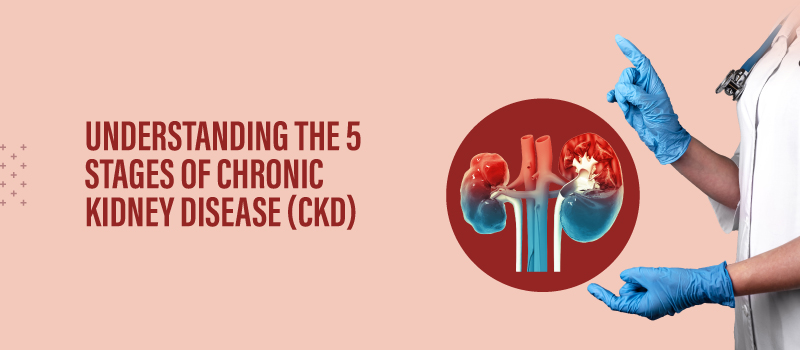
Kidney Image

There isn’t a single universal warning, because many people develop chronic kidney disease (CKD) without any noticeable symptoms in the beginning. However, one of the earliest changes some people experience is persistent fatigue. Not the regular, “I stayed up late” kind, but a drained feeling that hangs around. Following are some of the common symptoms of kidney disease:

  • Persistent fatigue or tiredness
    A deeper, ongoing exhaustion caused by toxin build-up or early anaemia.
  • Swelling in the feet, ankles, or hands
    Fluid retention due to reduced kidney function.
  • Puffiness around the eyes, especially in the morning
    Often an early clue that the kidneys are leaking protein.
  • Dry, itchy skin
    Happens when waste products accumulate in the blood or when mineral balance is affected.

Because these symptoms are subtle and overlap with everyday issues, the safest way to detect kidney problems early is through simple blood (creatinine, eGFR) and urine tests rather than waiting for symptoms to appear.

How Do Chronic Kidney Disease Symptoms Appear?

Chronic Kidney Disease progresses slowly, and early symptoms are often subtle. For many, symptoms of kidney disease are almost like background noise. Nothing feels dramatic but something feels “off”, which is why CKD can go unnoticed for years. As kidney function declines, symptoms typically appear in stages:

Early or Mild Symptoms

  • Increased urination at night (nocturia)
  • Fatigue or sleep that doesn’t feel refreshing
  • Mild swelling around the eyes

Progressing Symptoms

  • Nausea or loss of appetite
  • Restless legs or numbness in the feet
  • Difficulty concentrating

Advanced Symptoms

  • Noticeable swelling in the legs, feet, or hands
  • Worsening fatigue due to anaemia
  • Persistent itching
  • Significant loss of appetite

The strange part is how ordinary these things sound, which is why they’re often ignored. Because these symptoms overlap with conditions like diabetes, heart disease, and high blood pressure, it’s often difficult to identify CKD based on symptoms alone. Regular blood and urine tests remain the most reliable way to detect kidney disease early.

What Causes Chronic Kidney Disease?

Chronic Kidney Disease usually develops due to long-standing conditions that damage the kidneys slowly over many years. The two most common causes are:

  • Diabetes – High blood sugar damages the filters (glomeruli) and is responsible for nearly 40–45% of CKD cases worldwide.
  • High Blood Pressure – Uncontrolled hypertension weakens and narrows the kidney’s blood vessels, accounting for another 20–25% of cases.

(Source: Saudi Journal of Kidney Diseases and Transplantation)

Other important causes include:

  • Genetic conditions, such as Polycystic Kidney Disease (PKD)
  • Autoimmune diseases, including lupus nephritis
  • Chronic glomerulonephritis
  • Long-term use of painkillers and certain medications (e.g., NSAIDs)
  • Repeated kidney infections (pyelonephritis)
  • Prolonged urinary obstruction, caused by kidney stones, prostate enlargement, or structural abnormalities

While lifestyle choices influence many risk factors, CKD often results from years of silent, cumulative damage. Understanding the cause helps shape chronic kidney disease treatment. Patients shouldn’t blame themselves, because CKD often results from years of silent damage before anyone even knew it existed.

The 5 Stages Of Chronic Kidney Disease, Explained

Chronic Kidney Disease is classified into five stages using a measurement called eGFR (estimated Glomerular Filtration Rate); the number that reflects how much blood the kidneys filter each minute. Doctors look closely at these numbers, but for most people, they’re simply a way to understand how well their kidneys are functioning.

Stage 1: eGFR ≥ 90 (Normal kidney function with early signs of damage)

Kidney function appears normal, but there may be evidence of kidney damage such as protein leakage in the urine, structural abnormalities, or known risk factors like diabetes or hypertension. Most people feel completely well and only discover changes through routine health checks.

Stage 2: eGFR 60–89 (Mild decrease in kidney function)

The kidneys are still functioning reasonably well, and symptoms are uncommon. This is the stage where early changes in urine tests may appear. Doctors often focus on controlling blood pressure, blood sugar, and lifestyle factors, because targeted care here can significantly slow disease progression.

Stage 3a and 3b: eGFR 45–59 (3a) / 30–44 (3b)

This is the stage where CKD becomes more noticeable. Patients may begin experiencing fatigue, swelling in the legs or feet, muscle cramps, or changes in urination patterns. Stage 3b carries a higher risk of complications such as anaemia, bone-mineral disorders, and electrolyte imbalances. Regular follow-ups become essential.

Stage 4: eGFR 15–29 (Severely reduced kidney function)

Symptoms often become more prominent—loss of appetite, persistent swelling, sleep issues, or worsening fatigue. Doctors begin discussing future treatment options, including dialysis or kidney transplant evaluation, so patients are medically and emotionally prepared well in advance.

Stage 5: eGFR < 15 (Kidney failure)

At this stage, the kidneys are no longer able to support the body’s needs. Dialysis or kidney transplantation becomes necessary to maintain life. Even so, every individual’s journey with CKD is unique. With proper care, symptom management, and lifestyle support, many patients maintain stability for long periods.

How Is CKD Diagnosed?

Chronic Kidney Disease is diagnosed through a combination of tests repeated over time, because kidney function must show persistent changes, not just a one-time abnormal result. Doctors typically use:

Blood tests

  1. To measure serum creatinine and calculate the estimated Glomerular Filtration Rate (eGFR), which indicates how well the kidneys filter blood.
  2. To assess electrolyte levels, such as sodium and potassium.

Urine tests

  1. Urine Albumin-to-Creatinine Ratio (ACR) to check for protein leakage, one of the earliest signs of kidney damage.
  2. Routine urine analysis to detect infections or abnormalities.

Blood pressure measurement

High blood pressure is both a cause and consequence of kidney disease, so monitoring it is essential for diagnosis and staging.

Imaging tests (Ultrasound or CT scan)

Used when doctors suspect structural problems, blockages, stones, or congenital abnormalities.

A diagnosis of CKD is made when these tests show reduced kidney function or evidence of kidney damage that persists for at least three months. It’s rarely a dramatic, one-day diagnosis; it’s a careful, data-driven conclusion.

Chronic Kidney Disease Treatment Options

Treatment depends on the stage, cause, and the patient’s overall health. The goal is not to reverse existing kidney damage but to slow progression, manage complications, and protect the kidney function that remains.

Blood Pressure Control

Medications such as ACE inhibitors or ARBs are often used because they protect the kidneys and reduce protein leakage. Good blood pressure control is one of the most effective ways to slow CKD progression.

Managing Underlying Conditions

When diabetes or hypertension is the cause, strict control of blood sugar and blood pressure becomes central to treatment.

Treating Complications

Many people with CKD develop anemia, bone-mineral imbalances, or electrolyte disturbances. Treating anemia can reduce constant fatigue, while managing calcium–phosphate balance protects bone health.

Dietary Modifications

As kidney function declines, diet becomes more tailored; typically focusing on reducing sodium, moderating protein, and balancing potassium and phosphorus intake.

Dialysis or Kidney Transplant Evaluation

Dialysis is recommended not simply at Stage 5, but when the kidneys can no longer maintain fluid, electrolyte, and toxin balance, or when symptoms become difficult to manage. Early preparation ensures smoother transition if needed.

Good chronic kidney disease treatment focuses on protecting what kidney function remains rather than trying to undo what’s already lost. At this stage, we at AINU Hospitals ensure that every patient receives carefully designed care supported by advanced nephrology technology and expert specialists.

Lifestyle Changes That Help

Lifestyle isn’t a cure, but it influences how fast CKD progresses.

  • Lowering salt helps with swelling and blood pressure.
  • Your doctor may recommend adjusting protein intake so the kidneys don’t work as hard.
  • Exercise doesn’t need to be intense; walking daily can be enough.
  • Staying hydrated matters, though not everyone should drink the same amount.
  • Getting enough sleep gives the body time to repair and regulate key functions.
  • Managing stress helps keep blood pressure and inflammation under control.
  • Avoiding smoking protects blood vessels and slows CKD progression.

Managing CKD isn’t a perfect, disciplined routine, it’s a series of small decisions made repeatedly, even on tired days.

Why Early Kidney Care Matters and How AINU Hospitals Helps

At AINU Hospitals, we believe that understanding kidney health early can change a patient’s entire journey. Many people overlook small symptoms, but with the right guidance, problems can be identified long before they become serious. We offer advanced diagnostics, experienced nephrologists, and supportive care that helps patients feel informed rather than overwhelmed. Our goal is simple: help people protect their kidney function with clarity, timely intervention, and compassionate treatment. By combining modern technology with human-centered care, we ensure that every patient receives attention that genuinely makes a difference in their daily life and long-term health.

When Should You See A Kidney Specialist?

Anyone with abnormal tests, swelling, persistent fatigue, changes in urination, or difficult-to-control blood pressure should see a specialist. Early visits don’t mean the condition is severe; they simply provide better monitoring and clarity. Doctors can help patients make sense of chronic kidney disease symptoms, answer confusing questions, and plan long-term care. Waiting until symptoms are overwhelming makes everything harder. This is exactly where we at AINU step in, offering timely guidance and comprehensive evaluation so patients never feel lost or unsupported.

Conclusion

Kidney disease doesn’t announce itself in big ways, which is why so many people learn about it late. Understanding symptoms of kidney disease and recognizing how slowly the condition can move gives people a chance to respond instead of panic. CKD can’t always be reversed, but it can often be slowed, and that makes a real difference in daily life. People don’t lose control overnight. They adapt, learn, adjust treatment, and keep going.

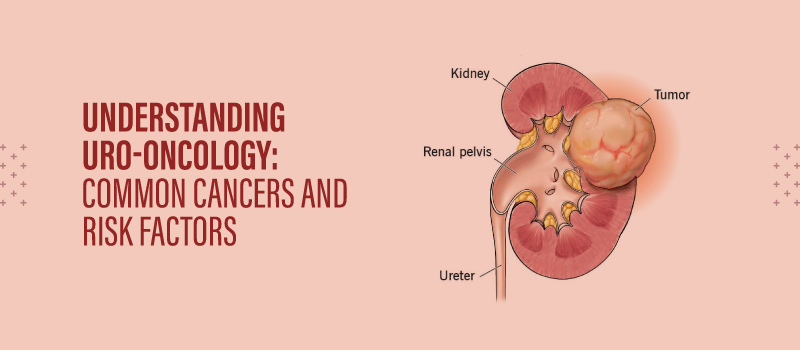
Understanding Uro-Oncology: Common Cancers and Risk Factors

Cancer, a term that can silence a room. Almost everyone has a story, maybe about a family member, maybe about a friend, sometimes even about a personal scare. When it hits the urinary system or the male reproductive organs, the area of care is called uro-oncology. Behind the big word is something very real: people, lives, and treatments that can make all the difference. Here we’re focusing on the common cancers and risk factors in this field. These include bladder cancer, prostate cancer, kidney cancer, and testicular cancer. Each one has its own warning signs, challenges, and risk patterns. And yes, each one is important to know, not just for patients, but for anyone who cares about health.

What Uro-Oncology Really Means

So what is uro-oncology? It’s where two medical worlds meet. Urology, which deals with the urinary system and men’s reproductive organs, and oncology, which focuses on cancer. Put them together and you get a field that handles some of the most common cancers in men and, in some cases, women. It’s easy to think of this as just another specialty. But here’s the thing: these cancers don’t only affect the body. They affect how people live, how they feel about themselves, and even how they see the future. Doctors in uro-oncology often find themselves talking through fear, not just disease. And that human side matters as much as the surgery or the medication.

Bladder Cancer: The Red Flag of Blood in Urine

Bladder cancer is one of the most frequent cancers in this area. It usually starts in the lining of the bladder. The number one cause is smoking. The chemicals in cigarettes don’t just disappear. They get filtered through the kidneys, stored in the bladder, and over time, they damage the cells there. But it’s not only smoking. People who’ve worked for years with dyes, rubber, or certain chemicals are more at risk too. Chronic bladder infections can also raise the chances. And family history, though less common, can’t be ignored. The biggest clue many people notice is blood in the urine. It doesn’t always mean cancer, but it’s not something to brush off. A doctor should always check it out sooner rather than later.

Prostate Cancer: Slow but Serious

Prostate cancer deserves special attention. Among men, it’s one of the leading cancers worldwide. The prostate is small, about the size of a walnut, but the disease that grows there can change everything. One difficult truth: prostate cancer often develops slowly. Some men don’t even know they have it until a blood test or routine checkup points it out. That’s why regular screening is so strongly recommended. The common cancers and risk factors for prostate cancer come down to age (men over 50 are at higher risk), family history (a father or brother with prostate cancer increases the odds), and ethnicity. Not all prostate cancers are life-threatening. But finding out early gives men more options and, often, less aggressive treatment.

Kidney Cancer: Often Found by Accident

Kidney cancer is another focus in uro-oncology. It’s tricky because it doesn’t always announce itself with loud symptoms. In fact, many people only discover it when they’re scanned for something else. When signs do appear, they might include side or back pain, blood in the urine, or sudden, unexplained weight loss. But many cases are silent for a long time. The common cancers and risk factors for kidney cancer are strongly tied to lifestyle: smoking, obesity, and high blood pressure. Genetics also plays a role, especially if inherited conditions run in the family. The good news is that lifestyle changes, like quitting tobacco, keeping a healthy weight, and managing blood pressure, can really lower the risks.

Testicular Cancer: Affecting Younger Men

Unlike prostate or bladder cancer, testicular cancer usually affects younger men, often between ages 15 and 35. And that can make it feel even more shocking. At a stage of life when men are thinking about careers, relationships, and maybe starting families, cancer is the last thing they expect. The exact cause isn’t always clear. But the risks go up for men who were born with an undescended testicle or who have a family history of the disease. Here’s the silver lining: testicular cancer is highly treatable. Even in advanced cases, outcomes are often very good. The best tool men have is awareness. Regular self-exams can help spot unusual lumps or swelling early, and early detection almost always improves the outcome.

Lifestyle and Environmental Risks

If you step back and look at the common cancers and risk factors across the field of uro-oncology, one theme keeps coming up: lifestyle. Smoking shows up again and again as a major risk for bladder and kidney cancers. Being overweight makes prostate and kidney cancers more likely. Diet matters too; with too much processed food and not enough fruits and vegetables, the body loses some of its natural defenses. The environment counts as well. People who work with chemicals, rubber, dyes, and paints face higher risks. Even pollution is being studied as a possible factor. These connections show that cancer isn’t always just about bad genes or bad luck. It’s about how we live, where we work, and what we’re exposed to daily.

Why Awareness Saves Lives

At the end of the day, uro-oncology is about more than treatment. It’s about awareness. Knowing the common cancers and risk factors gives people the chance to act sooner. Screenings, check-ups, and conversations with doctors; these things may feel routine, but they can mean the difference between catching cancer early and finding it when it’s already advanced. And let’s be honest, many men avoid these conversations. Sometimes it’s embarrassment, sometimes fear. But silence can cost lives. The more we talk about these things, the more likely it is that cancers will be caught early, when they’re most treatable.

Best Uro-Oncology Hospital in India – AINU Hospitals

At the Asian Institute of Nephrology and Urology, we don’t just treat cancer; we walk with patients through the journey. Our uro-oncology team combines precision medicine with genuine care. We’ve seen how difficult these conditions are, and we make it our mission to deliver treatment with dignity. From screenings and PSA testing to complex robotic surgeries, everything is under one roof. Some people need early detection, others advanced procedures. We adjust because no two cases are the same. That’s the truth of cancer care. Our consultants include top uro-oncologists in India, along with experts in female urology who understand the personal side of intimate health. Organ-preserving surgeries, minimally invasive methods, chemotherapy, and radiation; we use what works best for each person. At AINU Hospitals, we believe survival is important, yes, but so is quality of life. That means kidney health, control, confidence, and emotional strength.

Conclusion

Uro-oncology may sound like a complicated specialty, but its focus is simple: cancers of the urinary and reproductive systems. Bladder, prostate, kidney, and testicular cancers each bring their own risks, symptoms, and stories. By knowing the common cancers and risk factors, people can take small but powerful steps. Screening, healthier choices, and being aware of changes in the body make a real difference. Cancer is never easy. But knowledge takes away some of the fear. Awareness means being prepared, and preparation often leads to better outcomes. And at the heart of it all, that’s what uro-oncology is really about: giving people the chance to fight back with information and with hope.

Urinary Leak In Pregnancy: Why It Happens and What to Do

Table Of Contents

  • The Signs and Symptoms of Urinary Leak
  • Why Does Urinary Leak Happen?
  • The Risk Factors for Urinary Leak During Pregnancy
  • What to Do to Manage Urinary Leak
  • Stay Hydrated
  • Reduce Fluid Intake After Dinner
  • Maintain a Healthy Body Weight
  • Avoid Caffeine and Alcohol
  • Make Changes to the Diet:
  • Follow Behavioral Techniques:
  • Try Kegel Exercises:
  • Conclusion

Urinary leakage, also known as urinary incontinence, is a common condition women experience during pregnancy. It is the involuntary loss of urine when one cannot control the bladder, resulting in an urgent need to urinate and the leaking of urine.

About 40% of pregnant women experience some degree of this condition, which can happen at any stage of the pregnancy. As the pregnancy progresses, the chances of urine leakage during pregnancy in the second trimester and third trimesters become more common. A few techniques can help you manage this condition and improve the ability of your bladder to control urine.

You can read this article to learn more about urinary leakage during pregnancy, why it happens, and what to do.

The Signs and Symptoms of Urinary Leak

Some signs and symptoms that indicate urinary leakage during pregnancy include —

  • Dribbling of urine when you cough, sneeze, laugh, and exercise
  • An urgent need to pee with an inability to control it
  • Frequent visits to the bathroom
  • Leaking or dribbling in between trips to and back from the bathroom

Why Does Urinary Leak Happen?

The period of pregnancy brings many changes to your body, which are required for the fetus to grow. However, these bodily changes result in urinary incontinence pregnancy, making it difficult to control urine. This usually lasts until the end of the pregnancy and after childbirth, after which the bladder function returns to normal a few weeks after delivery.

The two main reasons for urine leakage during pregnancy are:

The uterus is behind the bladder, and the growing fetus can put pressure on the bladder during pregnancy. This can have an impact on the capacity of your bladder to hold urine and lead to frequent leakages.

The hormonal changes that occur during pregnancy have an impact on the pelvic floor muscles that support the bladder and uterus. These muscles become weak and loose, which can increase your urge to urinate.

If you are facing symptoms of urinary incontinence during pregnancy, you need to visit your healthcare provider. You can consult with our experienced doctors at the Asian Institute of Nephrology and Urology (AINU) to manage the issue better and improve bladder control. We conduct a few tests to determine the type of condition, help you understand the causes, and offer appropriate treatment to enhance your quality of life.

The Risk Factors for Urinary Leak During Pregnancy

Women are more likely to experience urinary leakage during pregnancy if they fall under any of these categories:

  • Above 35 years or older
  • Overweight or obese
  • Family history of the condition
  • Previous vaginal delivery
  • Certain foods and drinks

What to Do to Manage Urinary Leak

The condition of bladder incontinence during pregnancy can be managed by following a few techniques. They can help you strengthen the pelvic floor muscles to support your bladder and to manage things better.

Here are a few techniques you can follow to manage urinary leakage during your pregnancy:

Stay Hydrated

It is important to drink around 6 to 8 glasses of water per day for proper hydration. Staying hydrated is crucial for a healthy pregnancy and the normal functioning of your kidneys and bladder. Dehydration can trigger urine incontinence and increase the urge to urinate frequently.

Reduce Fluid Intake After Dinner

While trying to stay hydrated, drink more fluids in the morning and afternoon and reduce water intake after dinner and a few hours before bed. It can reduce the number of times you need to wake up at night to urinate, which helps you get adequate sleep and rest.

Maintain a Healthy Body Weight

A healthy body weight can relieve pressure on your bladder. It can help reduce the chances of or manage urine leakage during pregnancy during the third trimester and the second trimester, when the symptoms are worse. Although losing weight can be difficult, it can help with pregnancy, labour, and childbirth.

Avoid Caffeine and Alcohol

Limit or avoid caffeine and alcohol consumption, which includes avoiding beverages such as coffee, tea, soda, cola, alcoholic drinks, etc. Caffeine can impact your bladder and make it harder for you to control urine. You can replace them with water and decaffeinated options for a better alternative.

Make Changes to the Diet:

Making changes to your diet. Besides caffeine and alcohol, reduce intake of spicy and highly acidic foods. This is crucial if you experience the frequent and urgent need to urinate, as they can worsen incontinence. Include high-fibre food to prevent constipation and relieve strain on the bladder.

Follow Behavioral Techniques:

Behavioral techniques such as bladder training for better bladder control. This involves waiting a bit longer after you have an urge to urinate to extend the time between each trip to the bathroom. Schedule bathroom breaks even when you don’t have the urge based on your patterns.

Try Kegel Exercises:

One of the most common exercises pregnant women follow to manage urinary leakage is Kegel exercises, also known as pelvic floor muscle exercises. Kegels are a go-to technique for women to strengthen their pelvic floor muscles during pregnancy. These clench and release exercises involve squeezing and releasing your pelvic floor muscles for a few seconds. These exercises provide better control over your bladder to tackle urinary leakage and can be beneficial during labour and delivery.

It is best to consult with your healthcare provider before you begin with Kegels. They can help determine if these exercises are right for you and ensure they are safe based on your symptoms and health conditions.

You can consult with our expert urologists at the Asian Institute of Nephrology and Urology (AINU) if you are experiencing these signs and symptoms of urinary incontinence during your pregnancy. We can recommend various techniques, such as exercises, lifestyle changes, etc., or medical treatment tailored to effectively manage the condition.

Conclusion

Urinary leakage is temporary in pregnant women and can last until a few weeks after childbirth. The urine leakage during pregnancy’s first trimester can be mild and will become stronger in the later stages.

How Stress Affects Urological Health

Table Of Contents

  • Stress and Your Health
  • Stress and Urinary Tract Infection (UTIs)
  • Stress and Frequent Urination (Overactive Bladder)
  • Worsening the Symptoms of Prostate Enlargement symptoms
  • Reduced Sexual Function
  • Stress and Kidney Stones
  • How To Improve Your Urological Symptoms
  • Conclusion
  • FAQs

Stress has become a common issue among people of all ages. And while it can severely impact your mental health, stress is also linked to increased risk of physical health issues. Stress causes an increase in the blood levels of Cortisol which is also known as ‘ Stress Hormone’, this inturn can affect your other hormones. In this post, we have explored the link between stress and urological health.

Stress and Your Health

Stress triggers fight-or-flight mode in your system. It’s a natural way for your body to deal with a challenging situation. While that’s alright for some unexpected, short-term issues, it can pose a risk to your physical and mental health if stress becomes a regular thing. In other words, chronic stress can disrupt your hormones and emotional as well as physical health in many ways.

From urinary incontinence to erectile dysfunction, stress can affect different parts of your urological health. Let us delve into some of the common conditions afflicting the urinary and sexual organs which have a direct or indirect association with your mental stress levels.

Stress and Urinary Tract Infection (UTIs)

A common question that crosses our mind is: Can stress cause a UTI? Stress isn’t directly linked to UTIs, but it does heighten the risk of a persistent and recurring infection. Stress affects your sleep cycle and can suppress your immune system.

Simply put, it affects your ability to fight off infections. Additionally, stress causes frequent urination, which may prevent people from drinking enough water and cause dehydration which is a predisposing factor for developing an UTI. These can make your bladder an ideal place for the bacteria to thrive. So, yes. It’s possible for someone with chronic stress to have frequent episodes of urinary tract infections.

Stress and Frequent Urination (Overactive Bladder)

Stress can increase the level of cortisol and adrenaline in your body, which may affect your bladder function. It makes your bladder more sensitive, leading to more frequent contractions. As a result, you might feel an urge to pee even when you have just used the restroom.

Stress causes an overactive bladder, which brings a range of unwanted and uncomfortable symptoms, like frequent urination, an uncontrollable urge to urinate, and, in some cases, leakage. People with stress are more vulnerable to develop an Overactive bladder and stressful periods tend to worsen the symptoms in people already struggling with an overactive bladder. It may become harder to control your urge to urinate often. That’s not the worst part. Stress can trigger incontinence, which can cause social embarrassment. This, in turn, increases your stress levels, making it a never-ending vicious cycle.

Worsening the Symptoms of Prostate Enlargement symptoms

Prostate , an organ of the male urinary system, is often a source of urinary symptoms in men , especially the elderly. Prostate enlargement can cause poor urinary stream , urinary incontinence, frequent urination especially at night, difficulty starting urination, and pelvic pain in men. These symptoms occur when your prostate has enlarged to the point that it presses against the bladder and urethra. Although stress doesn’t cause an enlarged prostate, it can aggravate the symptoms in men who already have it. Chronic stress can also cause prostatitis—an inflammation of the prostate gland which inturn can lead to urinary and sexual symptoms and lower abdominal and pelvic pain.

Reduced Sexual Function

Men with stress report sexual dysfunction, decreased libido, and inability to get and maintain an erection. This happens due to increased cortisol, which disrupts your sex hormones. Stress and anxiety induces an increase in the inhibitory signals from the brain to the sex organs which prevents one from achieving an erection. Additionally, urinary problems can interfere with your daily life and affect your emotional health, which, in turn, impacts your sexual function.

Stress and Kidney Stones

Now that we’ve established a link between urinary tract infection and mental health, the next important question is, can stress lead to kidney stones? Yes, they can develop over time but the causation is not direct . Chronic stress can cause dehydration, which plays a significant role in your risk of developing kidney stones. When your body is in escape or survival mode, it naturally suppresses your desire to eat and drink.

As a result, you might drink less water than recommended, leading to more concentrated urine. It also decreases your urine output, making the minerals in your urine more likely to bind together to form crystals. Stress is also associated with hypertension and weight gain, which can contribute to an increased risk of kidney stones.

How To Improve Your Urological Symptoms

Whether it’s reduced sexual function or urinary incontinence caused by mental stress, urological issues linked to chronic stress can be managed. Here are some tips that can help with stress and stress-induced urological issues.

  • Stay Hydrated: Drinking enough water is the first step to controlling most urinary issues. Hydration can prevent kidney stones and urinary tract infections. So, aim to drink at least 10 glasses of water a day, especially if you are stressed.
  • Keep yourself active: Physical activity can increase endorphins, which help with your mood and lower stress levels. You can take a short walk in a park, go swimming, or join a gym to increase the production of mood-boosting hormones. This can eliminate stress-related urological diseases.
  • Eat a Bladder-Friendly Diet: While you focus on stress, you must also pay attention to your diet, as eating bladder-irritating food can worsen your symptoms. Avoid caffeinated beverages, alcohol, energy drinks, and spicy foods. Anything that can cause dehydration or electrolyte imbalance must be avoided.
  • See a Counselor: Stress can sometimes lead to more serious mental health conditions, like anxiety and depression. If you can’t get rid of it or are too stressed to sleep, eat, and work like usual, it’s advisable to seek professional help. A counselor can help you identify the underlying cause of stress and give you tips for managing it. This can prevent urinary issues that are triggered due to stress.
  • Consult an Urologist: If you suspect you have developed an UTI or sexual dysfunction you can consider consulting an urologist especially when above lifestyle changes have not helped.

Conclusion

The connection between stress and urological symptoms might not look relevant, but stress is believed to affect your physical and mental health significantly. Stressed people experiencing urological symptoms should see a medical professional for personalized advice on managing stress and improving their urological health. You can see a specialized urologist at AINU to cope with stress-induced urinary incontinence, prostate problems, kidney stones, bladder issues, and UTIs. We are a team of professional uro-surgeons who can assist you in dealing with all kinds of kidney, bladder, and urinary tract problems.

How Stress Affects Urological Health

Table Of Contents

  • Stress and Your Health
  • Stress and Urinary Tract Infection (UTIs)
  • Stress and Frequent Urination (Overactive Bladder)
  • Worsening the Symptoms of Prostate Enlargement symptoms
  • Reduced Sexual Function
  • Stress and Kidney Stones
  • How To Improve Your Urological Symptoms
  • Conclusion
  • FAQs

Stress has become a common issue among people of all ages. And while it can severely impact your mental health, stress is also linked to increased risk of physical health issues. Stress causes an increase in the blood levels of Cortisol which is also known as ‘ Stress Hormone’, this inturn can affect your other hormones. In this post, we have explored the link between stress and urological health.

Stress and Your Health

Stress triggers fight-or-flight mode in your system. It’s a natural way for your body to deal with a challenging situation. While that’s alright for some unexpected, short-term issues, it can pose a risk to your physical and mental health if stress becomes a regular thing. In other words, chronic stress can disrupt your hormones and emotional as well as physical health in many ways.

From urinary incontinence to erectile dysfunction, stress can affect different parts of your urological health. Let us delve into some of the common conditions afflicting the urinary and sexual organs which have a direct or indirect association with your mental stress levels.

Stress and Urinary Tract Infection (UTIs)

A common question that crosses our mind is: Can stress cause a UTI? Stress isn’t directly linked to UTIs, but it does heighten the risk of a persistent and recurring infection. Stress affects your sleep cycle and can suppress your immune system.

Simply put, it affects your ability to fight off infections. Additionally, stress causes frequent urination, which may prevent people from drinking enough water and cause dehydration which is a predisposing factor for developing an UTI. These can make your bladder an ideal place for the bacteria to thrive. So, yes. It’s possible for someone with chronic stress to have frequent episodes of urinary tract infections.

Stress and Frequent Urination (Overactive Bladder)

Stress can increase the level of cortisol and adrenaline in your body, which may affect your bladder function. It makes your bladder more sensitive, leading to more frequent contractions. As a result, you might feel an urge to pee even when you have just used the restroom.

Stress causes an overactive bladder, which brings a range of unwanted and uncomfortable symptoms, like frequent urination, an uncontrollable urge to urinate, and, in some cases, leakage. People with stress are more vulnerable to develop an Overactive bladder and stressful periods tend to worsen the symptoms in people already struggling with an overactive bladder. It may become harder to control your urge to urinate often. That’s not the worst part. Stress can trigger incontinence, which can cause social embarrassment. This, in turn, increases your stress levels, making it a never-ending vicious cycle.

Worsening the Symptoms of Prostate Enlargement symptoms

Prostate , an organ of the male urinary system, is often a source of urinary symptoms in men , especially the elderly. Prostate enlargement can cause poor urinary stream , urinary incontinence, frequent urination especially at night, difficulty starting urination, and pelvic pain in men. These symptoms occur when your prostate has enlarged to the point that it presses against the bladder and urethra. Although stress doesn’t cause an enlarged prostate, it can aggravate the symptoms in men who already have it. Chronic stress can also cause prostatitis—an inflammation of the prostate gland which inturn can lead to urinary and sexual symptoms and lower abdominal and pelvic pain.

Reduced Sexual Function

Men with stress report sexual dysfunction, decreased libido, and inability to get and maintain an erection. This happens due to increased cortisol, which disrupts your sex hormones. Stress and anxiety induces an increase in the inhibitory signals from the brain to the sex organs which prevents one from achieving an erection. Additionally, urinary problems can interfere with your daily life and affect your emotional health, which, in turn, impacts your sexual function.

Stress and Kidney Stones

Now that we’ve established a link between urinary tract infection and mental health, the next important question is, can stress lead to kidney stones? Yes, they can develop over time but the causation is not direct . Chronic stress can cause dehydration, which plays a significant role in your risk of developing kidney stones. When your body is in escape or survival mode, it naturally suppresses your desire to eat and drink.

As a result, you might drink less water than recommended, leading to more concentrated urine. It also decreases your urine output, making the minerals in your urine more likely to bind together to form crystals. Stress is also associated with hypertension and weight gain, which can contribute to an increased risk of kidney stones.

How To Improve Your Urological Symptoms

Whether it’s reduced sexual function or urinary incontinence caused by mental stress, urological issues linked to chronic stress can be managed. Here are some tips that can help with stress and stress-induced urological issues.

  • Stay Hydrated: Drinking enough water is the first step to controlling most urinary issues. Hydration can prevent kidney stones and urinary tract infections. So, aim to drink at least 10 glasses of water a day, especially if you are stressed.
  • Keep yourself active: Physical activity can increase endorphins, which help with your mood and lower stress levels. You can take a short walk in a park, go swimming, or join a gym to increase the production of mood-boosting hormones. This can eliminate stress-related urological diseases.
  • Eat a Bladder-Friendly Diet: While you focus on stress, you must also pay attention to your diet, as eating bladder-irritating food can worsen your symptoms. Avoid caffeinated beverages, alcohol, energy drinks, and spicy foods. Anything that can cause dehydration or electrolyte imbalance must be avoided.
  • See a Counselor: Stress can sometimes lead to more serious mental health conditions, like anxiety and depression. If you can’t get rid of it or are too stressed to sleep, eat, and work like usual, it’s advisable to seek professional help. A counselor can help you identify the underlying cause of stress and give you tips for managing it. This can prevent urinary issues that are triggered due to stress.
  • Consult an Urologist: If you suspect you have developed an UTI or sexual dysfunction you can consider consulting an urologist especially when above lifestyle changes have not helped.

Conclusion

The connection between stress and urological symptoms might not look relevant, but stress is believed to affect your physical and mental health significantly. Stressed people experiencing urological symptoms should see a medical professional for personalized advice on managing stress and improving their urological health. You can see a specialized urologist at AINU to cope with stress-induced urinary incontinence, prostate problems, kidney stones, bladder issues, and UTIs. We are a team of professional uro-surgeons who can assist you in dealing with all kinds of kidney, bladder, and urinary tract problems.

Fasting Recipes For Navaratri

Table Of Contents

  • SABUDHANA KHICHDI
  • BEETROOT RAITA
  • APPLE HALWA
  • PANEER TIKKA
  • QUINOA SALAD
  • APPLE OAT SMOOTHIE

SABUDHANA KHICHDI

Ingredients:

  • Sabudhana – 25 grams
  • Green chilies – 2
  • Cumin seeds – ½ tsp
  • Turmeric powder – 1 pinch
  • Salt – 1 pinch
  • Oil – 1 tsp
  • Coriander leaves – for garnish

Procedure:

1. Rinse the sabudhana under water and soak it for about 4-6 hours or overnight.

2. In a pan, heat oil over medium flame. Add cumin seeds, green chilies, a pinch of turmeric, and salt. Sauté for a few minutes.

3. Add the soaked sabudhana to the mixture. Mix well to coat the sabudhana with the spices. Cook for about 5-7 minutes, stirring occasionally, until the sabudhana becomes translucent.

4. Turn off the heat and garnish with fresh coriander leaves.

Nutritional Values:

1. Energy – 128 kcal

2. Carbohydrates – 22 g

3. Proteins – 0.06 g

4. Fat – 5 g

5. Potassium – 0 mg

Importance: Sabudhana is low in potassium and phosphorus and is naturally gluten-free, making it a suitable and healthy recipe for fasting during Navaratri. The carbohydrates in sabudhana provide quick energy, which is essential for recovery and maintaining overall health.

BEETROOT RAITA

Ingredients:

  • Beetroot – 100 grams
  • Curd – 50 grams
  • Urad dal – 5 grams
  • Mustard seeds – 5 grams
  • Oil – 1 tsp
  • Salt – 2 grams

Procedure:

1. In a bowl, add curd and grated beetroot. Stir well.

2. Prepare the tempering: Heat oil in a pan and add mustard seeds and urad dal. Let them turn light brown.

3. Pour the tempering over the raita and garnish with coriander leaves.

Nutritional Values:

1. Energy – 92 kcal

2. Carbohydrates – 84 g

3. Proteins – 7.2 g

4. Fat – 3 g

5. Potassium – 95 mg

Importance: Beetroot is packed with vitamins (like vitamin C), minerals, and antioxidants, supporting overall health. The curd in raita provides probiotics, promoting gut health and aiding digestion. It’s a low-calorie dish, making it a great side option. Overall, beetroot raita is a delicious and healthy addition to meals, contributing to a balanced diet.

APPLE HALWA

Ingredients:

  • Apples – 100 grams
  • Sugar – 10 grams
  • Ghee – 1 teaspoon
  • Cardamom powder – ½ teaspoon

Procedure:

1. Heat one teaspoon of ghee in a pan. Add the grated apples and sauté for about 5-7 minutes until they soften.

2. Add sugar and cardamom powder. Cook for a few more minutes.

3. Serve hot.

Nutritional Values:

1. Energy – 143 kcal

2. Carbohydrates – 24 g

3. Proteins – 0.2 g

4. Fat – 5.5 g

5. Potassium – 75 mg

Importance: Apples are a good source of vitamins and minerals. They are generally lower in potassium compared to other fruits, making them a suitable choice for those on a renal diet, especially during this festive season. When prepared with minimal added sugar, apple halwa can be a healthier dessert option compared to other high-sugar sweets.

PANEER TIKKA

Ingredients:

  • Paneer – 60 grams
  • Garlic paste – 5 grams
  • Chilli powder – 3 grams
  • Salt – 1 pinch
  • Lemon juice – ½ tsp

Procedure:

1. Cut paneer into cubes and place them in a bowl. Add garlic paste, chilli powder, and lemon juice. Mix thoroughly and allow the masala to absorb into the paneer cubes.

2. Thread the paneer cubes onto skewers, brush them with oil, and refrigerate for 30 minutes.

3. Grill the skewers for 15-20 minutes.

Nutritional Values:

1. Energy – 161 kcal

2. Carbohydrates – 7.2 g

3. Protein – 11 g

4. Fat – 8 g

5. Potassium – 38 mg

6. Phosphorus – 198 mg

Importance: Paneer tikka is an excellent snack option for renal patients, especially for fasting during Navaratri, as it is prepared with renal-friendly ingredients. Paneer provides a good source of high-quality protein, essential for maintaining muscle mass and overall health. It is relatively low in potassium compared to other dairy products. Paneer tikka is an appropriate and nutritious dish for renal patients, as it is portioned properly with attention to sodium, phosphorus, and potassium levels.

QUINOA SALAD

Ingredients:

  • Quinoa – 30 g
  • Tomato – 20 g
  • Onion – 20 g
  • Bell pepper – 20 g
  • Cucumber – 20 g
  • Lemon juice – 1 tbsp
  • Pinch of salt

Preparation Method:

1. Add water and quinoa to a pressure cooker. Cook for a few minutes, then drain the water and let it cool.

2. Heat oil in a pan and add the cooked quinoa.

3. Add chopped vegetables: onion, cucumber, bell peppers, and tomatoes.

4. Add a pinch of salt to taste.

5. Garnish with mint and add 1 tablespoon of lemon juice for extra flavor.

Nutritional Values:

1. Energy – 487 kcal

2. Protein – 4.6 g

3. Fat – 2.7 g

4. Carbohydrates – 18.9 g

5. Potassium – 290 mg

6. Phosphorus – 80 mg

Nutritional Facts: Quinoa has relatively low levels of potassium and phosphorus, making it a suitable choice for individuals with kidney disease. It is rich in fiber, which helps manage blood sugar levels. In addition to protein, quinoa is rich in essential nutrients beneficial for overall health, including iron (which helps prevent anemia) and magnesium (which plays a role in maintaining healthy bones and regulating blood pressure). The fiber content in quinoa can help you feel more satiated, making it perfect for snacking during Navaratri.

APPLE OAT SMOOTHIE

Ingredients:

  • Apple – 90 g
  • Oats – 25 g
  • Milk – 100 ml
  • Almonds – 5 g
  • Peanut butter – 1 tsp

Preparation Method:

1. Core and slice the apple.

2. In a blender, add milk and oats. Blend them together.

3. Add one teaspoon of peanut butter and blend again for flavor.

4. Garnish with chopped almonds.

Nutritional Values:

1. Energy – 904 kcal

2. Protein – 8 g

3. Fat – 10 g

4. Carbohydrates – 36 g

5. Potassium – 259 mg

6. Phosphorus – 117 mg

Nutritional Facts: Apples are low in potassium and phosphorus, have anti-inflammatory properties, and a high fiber content that helps improve kidney function. Oats are also low in potassium and phosphorus, making them a great addition to a renal diet. They are high in fiber, and including a small portion of low-fat milk provides a minimal amount of protein and phosphorus. Apple oat smoothies are a good source of calories and fiber, which can help you feel full and energized longer, making them perfect for a snack during fasting in Navaratri.

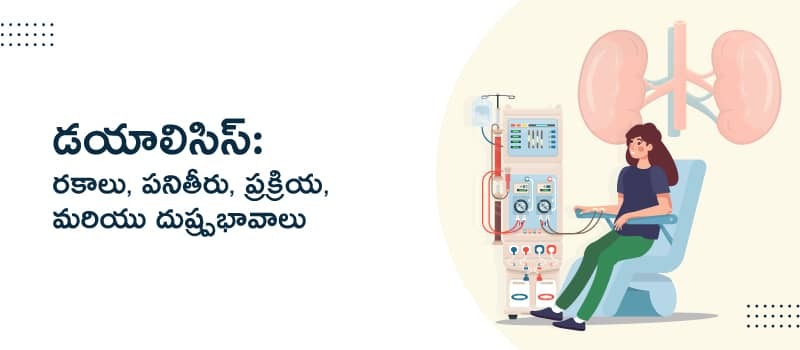
డయాలిసిస్: రకాలు, పనితీరు, ప్రక్రియ, మరియు దుష్ప్రభావాలు

డయాలిసిస్: రకాలు, పనితీరు, ప్రక్రియ, మరియు దుష్ప్రభావాలు


డయాలిసిస్ అనేది చాలా మంది తమ జీవిత కాలంలో ఎదుర్కొన్న ఒక వైద్య పదం. డయాలిసిస్ అనేది కిడ్నీ రోగులకు సహాయపడే ప్రక్రియ అని సాధారణ అవగాహన ఉంది. కానీ చాలా మందికి డయాలిసిస్ ప్రక్రియ యొక్క సూక్ష్మాంశాలు తెలియవు. ఈ పోస్ట్‌లో, మనం డయాలిసిస్ యొక్క ‘అ’ నుండి ‘అః’ వరకు, దాని రకాలు, పనితీరు, మరియు దుష్ప్రభావాలను పరిశీలిస్తాము

డయాలిసిస్ చికిత్స అంటే ఏమిటి?


ఆరోగ్యకరమైన కిడ్నీలు మానవ శరీరంలో నీటి మరియు మినరల్స్ నియంత్రణ చేస్తాయి అంతే గాక వ్యర్థాలను తొలగిస్తాయి. అయితే, విఫలమైన లేదా నష్టపోయిన కిడ్నీలు గల వ్యక్తులు తమ రక్తం నుండి వ్యర్థాలను మరియు అనవసర పదార్థాలను తొలగించడంలో ఇబ్బందిని అనుభవిస్తారు. ఇది మానవ కిడ్నీకి అవసరమైన పనితీరులో 15 శాతం కంటే తక్కువగా మాత్రమే పనిచేసే సందర్భంలో కిడ్నీ వైఫల్యంగా పిలువబడుతుంది

ఈ సందర్భంలో, డయాలిసిస్ రక్తం నుండి అదనపు ద్రవాలను మరియు ఉత్పత్తులను వడపోసే కృత్రిమ మార్గంగా పనిచేస్తుంది. డయాలిసిస్ చికిత్స కిడ్నీల సహజ పనితీరుకు ప్రత్యామ్నాయంగా, దీన్ని రెనల్ రిప్లేస్మెంట్ థెరపీ (RRT) అని పిలుస్తారు. ఇది మొదట 1940లలో విజయవంతంగా ఉపయోగించబడింది మరియు 1970లలో కిడ్నీ వైఫల్యం కోసం ఒక ప్రామాణిక చికిత్సగా మారింది. అప్పటి నుండి, మిలియన్ల మంది ఈ చికిత్స ద్వారా కాపాడబడ్డారు. డయాలిసిస్ లేకుండా నష్టపోయిన కిడ్నీలతో ఉన్న వ్యక్తి రక్తంలో వ్యర్థ పదార్థాలు చేరి, శరీరంలోని ఇతర అవయవాలకు హాని కలిగిస్తాయి.

శరీరం నుండి నీటి మరియు వ్యర్థాలను నియంత్రించడంతో పాటు, కిడ్నీలు మెటబాలిజం కోసం ముఖ్యమైన ఉత్పత్తులను కూడా స్రవిస్తాయి(సెక్రెషన్). కిడ్నీ ద్వారా తయారు చేయబడే ఒక హార్మోన్ అయిన ఎరిత్రోపోయిటిన్, శరీరంలో హీమోగ్లోబిన్ యొక్క సాధారణ స్థాయిని నిర్వహించడంలో సహాయపడుతుంది. ఒక డయాలిసిస్ ప్రక్రియ వలన అది తదుపరి జరగదు. కాబట్టి, శాశ్వత డయాలిసిస్‌పై ఉన్న రోగులకు హీమోగ్లోబిన్ యొక్క సాధారణ శ్రేణిని నిర్వహించడానికి ఈ హార్మోన్ ఇవ్వబడుతుంది.

డయాలిసిస్ ఎలా పనిచేస్తుంది?

డయాలిసిస్ ఒక ఆసుపత్రిలో, డయాలిసిస్ కేంద్రంలో, లేదా ఇంట్లో కూడా చేయవచ్చు. డయాలిసిస్ చికిత్స అనుకరించే కొన్ని ముఖ్యాంశాలు ఇవి:

  • శరీర ద్రవ సమతుల్యతను నిర్వహించడానికి వ్యర్థాలను మరియు అదనపు ద్రవాలను తొలగించడం.
  • పొటాషియం, సోడియం, కాల్షియం, మరియు బైకార్బొనేట్ వంటి మినరల్స్ సురక్షిత స్థాయిలను శరీరంలో ఉంచడం
  • అదనపు ద్రవాలను తొలగించడం రక్తపోటును నియంత్రించడానికి సహాయపడుతుంది.

డయాలిసిస్ ఎందుకు అవసరం?

చాలా మంది తరచుగా డయాలిసిస్ ఎవరికి అవసరంఅని ఆలోచిస్తారు? వాస్తవానికి, కిడ్నీ వైఫల్యం లేదా అంతిమ దశ రెనల్ డిజీజ్ (ESRD) ఉన్న వ్యక్తులకు డయాలిసిస్ అవసరం.

సడన్ సీవీర్ కిడ్నీ ఇంజ్యూరీ (సీవీర్ తీవ్రమైన కిడ్నీ గాయంగా పిలుచుకుంటారు) అనుభవించిన వ్యక్తులు కొన్నిసార్లు డయాలిసిస్ అవసరం అయ్యే అవకాశం ఉంది. అయితే, సమయానుకూలంగా చికిత్స పొందడం మరియు తగినంత సంరక్షణతో, చాలా రోగులు దీని నుండి డయాలసిస్ లేకుండానే కోలుకుంటారు.

డయాలిసిస్ రకాలు

డయాలిసిస్‌కు మూడు ప్రధాన రకాలు ఉన్నాయి: ఇంటర్మిటెంట్ హెమోడయాలిసిస్ (IHD), పెరిటోనియల్ డయాలిసిస్ (PD), మరియు కంటిన్యూయస్ రెనల్ రిప్లేస్మెంట్ థెరపీస్ (CRRT). మనం ఈ మూడు రకాల డయాలిసిస్‌ను వివరంగా మాట్లాడుకుందాం.

1. ఇంటర్మిటెంట్ హెమోడయాలిసిస్

హెమోడయాలిసిస్ అనేది మీ వీన్ నుండి రక్తాన్ని తీసుకుని, దాన్ని ఒక డయాలైజర్ (ఫిల్టర్) ద్వారా వడపోసి, రోగికి తిరిగి ఇచ్చే ఒక యంత్రం ద్వారా జరిగే ప్రక్రియ. ఇది వారానికి మూడు సార్లు ఆసుపత్రిలో లేదా డయాలిసిస్ కేంద్రంలో జరిగే 4 గంటల ప్రక్రియ. ఇంట్లో హెమోడయాలిసిస్ చేయవచ్చు, మరియు కొంత మంది తాము నిద్రించే సమయంలో ఈ ప్రక్రియను చేయడానికి ఎంచుకుంటారు.

2. పెరిటోనియల్ డయాలిసిస్

గ్లూకోజ్ మరియు మినరల్స్ తో నిండిన ఒక శుభ్రమైన డయాలైసేట్ ద్రావణం పొట్ట లోకి ఒక సిలికాన్ ట్యూబ్ ద్వారా పొట్టలోకి వెళ్తుంది. ఈ ద్రవం పొట్ట యొక్క అంతర్గత గోడలను మరియు అబ్డోమినల్ ఆర్గాన్స్ తో అంటుకొని ఉంటుంది. పెరిటోనియల్ కణజాలం సహజ ‘ఫిల్టర్’గా పనిచేసి, మెటబొలిక్ వ్యర్థాలను మరియు అదనపు నీటిని అబ్డోమినల్ క్యావిటీ లోకి వడపోస్తుంది. అబ్డోమినల్ క్యావిటీలో సేకరించిన వ్యర్థాలను మరియు అదనపు నీటిని క్రమానుగతంగా తొలగిస్తారు. దీనిని పెరిటోనియల్ డయాలిసిస్ అంటారు.

పెరిటోనియల్ డయాలిసిస్ ఇంట్లో జరుగుతుంది, మరియు ఈ చికిత్సను చేయడానికి రెండు మార్గాలు ఉన్నాయి:

  • సైక్లర్ అనే యంత్రం ఉపయోగించే ఆటోమేటెడ్ పెరిటోనియల్ డయాలిసిస్.
  • మాన్యువల్‌గా జరిగే కంటిన్యూయస్ అంబులేటరీ పెరిటోనియల్ డయాలిసిస్ (CAPD).

సరైన విధానంలో పెరిటోనియల్ డయాలిసిస్ చేయబడితే, రోగులకు తేలికగా వుంటారు మరియు వారు తమ నెఫ్రోలాజిస్ట్‌ను నెలకు ఒకసారి మాత్రమే కలుసుకోవచ్చు. అయితే, ప్రక్రియ యొక్క విజయం రోగి అవగాహన మరియు సంరక్షక మద్దతు మీద ఆధారపడి ఉంటుంటుంది.

3. CRRT లేదా కంటిన్యూయస్ రెనల్ రిప్లేస్మెంట్ థెరపీ

డయాలిసిస్ నిరంతరంగా లేదా ఇంటర్మిటెంట్‌గా ఉండవచ్చు. ఒక ఇంటర్మిటెంట్ డయాలిసిస్ సెషన్ ఆరు గంటల వరకు ఉంటుంది, కానీ కంటిన్యూయస్ రెనల్ రిప్లేస్మెంట్ థెరపీ (CRRT) 24 గంటల కోసం రూపొందించబడింది. CRRTకు పలు రకాలు ఉన్నాయి, మరియు వీటిని వడపోత మరియు విసర్జన కలిగి ఉండవచ్చు. CRRTను తమ ప్రత్యేక అవసరాలకు అనుగుణంగా తయారు చేసిన డయాలిసిస్ థెరపీ. క్రిటికల్‌గా అవసరం ఉన్న, అనారోగ్యంతో ఉన్న రోగులలో ఉపయోగించబడుతుంది. ఈ రోగులు తరచుగా చాలా తక్కువ రక్తపోటు ఉంటుంది, వారికి CRRT సూచించబడుతుంది.

డయాలిసిస్‌తో దుష్ప్రభావాలు

మూడు రకాల డయాలిసిస్ కొన్ని రిస్కులను మోసుకుంటాయి.

హెమోడయాలిసిస్ యొక్క సంభవనీయ దుష్ప్రభావాలు ఇవి:

  • తక్కువ రక్తపోటు
  • అనీమియా
  • కండరాల నొప్పులు
  • రక్తస్రావం
  • చలి జ్వరం
  • జ్వరం మరియు చలి జ్వరం ఆధునిక డయాలిసిస్ సాంకేతికతతో మరియు ఒకే ఉపయోగం డయాలిసిస్‌లో చాలా అరుదు.
  • అసమాన హార్ట్ బీట్

పెరిటోనియల్ డయాలిసిస్‌తో దుష్ప్రభావాలు ఇవి:

  • అధిక బ్లడ్ షుగర్
  • ఇన్ఫెక్షన్ – పెరిటోనిటిస్ / చర్మ ఇన్ఫెక్షన్
  • హెర్నియా

CRRTతో దుష్ప్రభావాలు:

  • హైపోథెర్మియా
  • రక్తస్రావం
  • తక్కువ రక్తపోటు
  • ఎలక్ట్రోలైట్ అసమతుల్యతలు

ఇక ముగింపులో

హెమోడయాలిసిస్ అనేది ఒక నొప్పిలేని, జీవితాన్ని రక్షించే థెరపీ, ఇది రక్త శుద్ధి కోసం ఒక డయాలిసిస్ యంత్రం ద్వారా జరుగుతుంది. ఈ ప్రక్రియ చాలా ప్రభావవంతమైనది మరియు రోగులను ఒక క్రియాశీల జీవనశైలిని నిర్వహించడానికి అనుమతిస్తుంది. చాలా కేసుల్లో, ఇది వారానికి మూడు సార్లు 4 గంటల చొప్పున షెడ్యూల్‌ను కలిగి ఉంటుంది.

పెరిటోనియల్ డయాలిసిస్ అనేది పొట్టలోకి ప్రత్యేక డయాలిసిస్ ద్రావణంను ఇన్స్టాల్ చేయగల చిన్న, సిలికాన్ ట్యూబ్ ప్లేస్మెంట్‌ను కలిగి ఉంది. డయాలిసిస్ పరిష్కారం అదనపు ద్రవాన్ని మరియు మెటబొలిక్ వ్యర్థాలను వడపోయగల పెరిటోనియల్ పూత మెంబ్రేన్‌ను సహాయపడుతుంది. ఈ ప్రక్రియ రోగిని ఏ ఆరోగ్య సంరక్షణ ప్రొవైడర్ నుండైనా స్వతంత్రంగా ఉంచుతుంది. చాలా కేసుల్లో, సురక్షితమైన మరియు శుభ్రమైన విధానంలో చేయబడితే, రోగి నెఫ్రోలాజిస్ట్‌తో నెలకు ఒకసారి మాత్రమే అనుసరించాలి.

తరచుగా అడిగే ప్రశ్నలు

1. డయాలిసిస్ చికిత్స ఎంత కాలం పాటు ఉంటుంది?

ఒక డయాలిసిస్ చికిత్స సెషన్ మూడు నుండి నాలుగు గంటల పాటు ఉంటుంది.

2. డయాలిసిస్ నొప్పిగా ఉంటుందా?

ఉండదు, డయాలిసిస్ నొప్పి కలిగించదు.

3. డయాలిసిస్ తర్వాత కిడ్నీలు పూర్తిగా కోలుకుంటాయా?

కాదు, డయాలిసిస్ తర్వాత కిడ్నీలు పూర్తిగా కోలుకోవు. కేవలం కొన్ని రోగులు మాత్రమే కోలుకుంటారు.

4. కిడ్నీ వైఫల్యం యొక్క మొదటి దశ ఏమిటి?

కిడ్నీ వైఫల్యం యొక్క మొదటి దశ అనేది కిడ్నీ యొక్క స్వల్ప నష్టం లేదా శారీరక నష్టంతో ఉంటుంది. ఈ దశలో, రోగికి సాధారణ అంచనా గ్లోమెరులర్ ఫిల్ట్రేషన్ రేట్ (eGFR) 90 లేదా అధికంగా ఉంటుంది, కానీ మూత్రంలో ప్రోటీన్ ఉంటుంది.

5. కిడ్నీలను ఆరోగ్యకరంగా చేయగల ఆహారాలు ఏమిటి?

అవొకాడోలు, క్రాన్‌బెర్రీలు, కాలిఫ్లవర్ వంటి సూపర్‌ఫుడ్స్ కిడ్నీలకు ఉపయోగపడుతాయి. సమతుల్యమైన ఆహారం ఎంతో కీలకం.

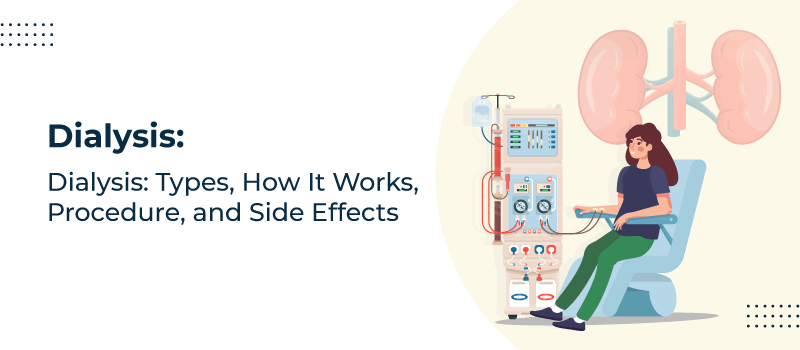
Dialysis: Types, How It Works, Procedure, and Side Effects

Dialysis: Types, How It Works, Procedure, and Side Effects

Dialysis is a medical term that most people have come across in their lifetimes. There is ageneral awareness that dialysis is a procedure that helps kidney patients. But many people are not aware of the nitty-gritty of the dialysis procedure. In this post, we will check out the A to Z of dialysis, including its type, functioning, and side effects.

What is dialysis treatment?

Healthy kidneys regulate the human body’s water and minerals and remove waste. However, people with failed or damaged kidneys have difficulty eliminating waste and unwanted substances from their blood. This is known as kidney failure and occurs when the human kidney can only perform less than 15 percent of its essential function.

In such a context, dialysis serves as an artificial way of filtering out extra fluid and byproducts from the blood. Dialysis treatment substitutes for the organic function of the kidneys and is hence known as renal replacement therapy (RRT). It was first used successfully in the 1940s and became a standard treatment for kidney failure in the 1970s. Since then, millions of people have been saved by the treatment. Without dialysis waste products accumulate in the blood of a person with damaged kidneys and harm other organs of the body.

It is essential to remember that, along with regulating water and waste from the body, the kidneys also secrete products that are important for metabolism. A hormone called erythropoietin made by the kidney, helps maintain normal level of hemoglobin in the body. A dialysis procedure cannot emulate the latter function. Hence, this hormone is given to patients on permanent dialysis to maintain a normal range of hemoglobin.

How does dialysis work?

Dialysis can be done in a hospital, a dialysis center, or even at home. Some of the kidney functions that a dialysis treatment emulates are:

  • Removing waste and extra fluids from the body to maintain body fluid balance.
  • Keeping safe levels of minerals, like potassium, sodium, calcium, and bicarbonate, in the body
  • Removing excess fluid helps control blood pressure.

Why is dialysis needed?

Many people often wonder: Who needs dialysis? Well, people who have kidney failure or end stage renal disease (ESRD) need dialysis.

People who develop sudden,severe kidney injury (termed severe acute kidney injury) may sometimes require dialysis. However, with timely and adequate care, most patients recover from it and a substantial proportion of these patients are off dialysis.

Types of Dialysis

There are three main approaches to dialysis: intermittent hemodialysis (IHD), peritoneal dialysis (PD), and continuous renal replacement therapies (CRRT). Let us break down these three types of dialysis in detail.

1. Intermittent hemodialysis

Hemodialysis involves a machine that gently takes blood from your vein, filters it through a dialyzer(filter), and returns it to the patient. It is a 4-hour process that may take place in a hospital or dialysis center three times a week. It is possible to do at-home hemodialysis, and some people even choose to do the process at night while they sleep.

2. Peritoneal Dialysis

It is a dialysis procedure wherein a sterile dialysate solution full of glucose and minerals goes through a silicone tube placed in the abdomen. The fluid gets in contact with a special membrance called peritoneum that lines the inner wall of the abdomen and the surface of abdominal organs. The peritoneal membrane acts as a natural ‘filter’ and fliters out metabolic waste and excess water into the abdominal cavity. The waste and excess water collected in the abdomen is periodically removed. This is called Peritoneal Dialysis.

the Peritoneal dialysis takes place at home, and there are two ways to do the treatment:

  • Automated peritoneal dialysis that uses a machine called a cycler.
  • Continuous ambulatory peritoneal dialysis (CAPD) that takes place manually.

Peritoneal dialysis, if done properly, will ensure greater freedom to patients and allow them to visit their Nephrologist just once a month. However, patient education of the procedure and caregiver support are important caveats of a successful peritoneal dialysis program.

3. CRRT or Continuous renal replacement therapy

Dialysis can be continuous or intermittent. An intermittent dialysis session lasts up to six hours, but continuous renal replacement therapy (CRRT) is designed for 24 hours. There are multiple types of CRRT, and they can involve filtration and diffusion. CRRT is used in critically ill patients that require tailored dialysis therapy suiting their specific needs. These patients frequently have a very low blood pressure for which CRRT is ideal.

Side Effects Associated with Dialysis

All three types of dialysis carry certain risks.

The potential side effects of hemodialysis include:

  • Low blood pressure
  • Anaemia
  • Muscle cramps
  • Bleeding
  • Chills
  • Fever Fever and chills are very rare with modern dialysis technology and single use dialysis.
  • Irregular heartbeat

The possible side effects linked to peritoneal dialysis are:

  • High blood sugar
  • Infection – Peritonitis / Skin Infection
  • Hernia

Side effects linked to CRRT.

  • Hypothermia
  • Bleeding
  • Low blood pressure
  • Electrolyte disturbances

Wrapping It Up

Hemodialysis is a painless, lifesaving therapy which involves blood purification by a dialysis machine. The process is very effective and allows patients to maintain an active lifestyle. In most cases, it involves a thrice weekly schedule of 4 hours each.

Peritoneal dialysis involves a small, silicone tube placement in the abdomen, that allows instillation of special dialysis solution into the abdomen. The solution aids the peritoneal lining membrane in filtering excess fluid and metabolic waste. This procedure allows the patient to be independent of any health care provider. In most cases, when done in a safe and hygienic manner, the patient needs to follow up with a Nephrologist only once a month.

Frequently Asked Questions

1. How long does dialysis treatment last?

Ans. A dialysis treatment lasts for three to four hours per session.

2. Is dialysis painful?

Ans. No, dialysis is not painful.

3. Can the kidneys fully recover after dialysis?

No, kidneys do not recover after dialysis. Only a fraction of the patients witnessed recovery.

4. What is the first stage of kidney failure?

Ans. The first stage of kidney failure includes mild damage or physical damage to the kidney. At this stage, the patient has a normal estimated glomerular filtration rate (eGFR) of 90 or higher, but there is protein in the urine.

5. What foods help repair the kidneys?

Ans. Superfoods like avocados, cranberries, cauliflower, etc. are helpful for kidneys. The key is to have a balanced diet.

Book an Appointment