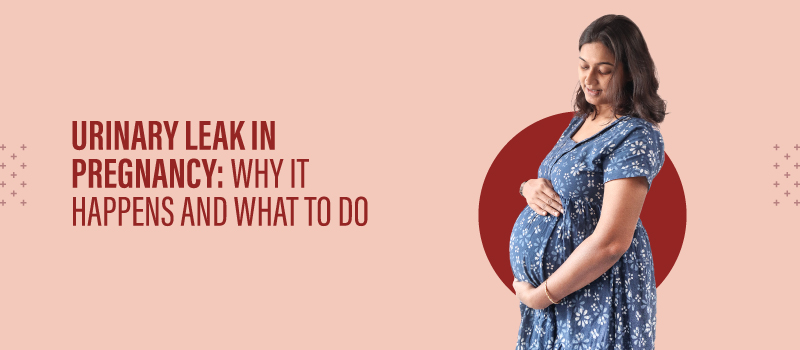
Urinary Leak In Pregnancy: Why It Happens and What to Do

Table Of Contents

  • The Signs and Symptoms of Urinary Leak
  • Why Does Urinary Leak Happen?
  • The Risk Factors for Urinary Leak During Pregnancy
  • What to Do to Manage Urinary Leak
  • Stay Hydrated
  • Reduce Fluid Intake After Dinner
  • Maintain a Healthy Body Weight
  • Avoid Caffeine and Alcohol
  • Make Changes to the Diet:
  • Follow Behavioral Techniques:
  • Try Kegel Exercises:
  • Conclusion

Urinary leakage, also known as urinary incontinence, is a common condition women experience during pregnancy. It is the involuntary loss of urine when one cannot control the bladder, resulting in an urgent need to urinate and the leaking of urine.

About 40% of pregnant women experience some degree of this condition, which can happen at any stage of the pregnancy. As the pregnancy progresses, the chances of urine leakage during pregnancy in the second trimester and third trimesters become more common. A few techniques can help you manage this condition and improve the ability of your bladder to control urine.

You can read this article to learn more about urinary leakage during pregnancy, why it happens, and what to do.

The Signs and Symptoms of Urinary Leak

Some signs and symptoms that indicate urinary leakage during pregnancy include —

  • Dribbling of urine when you cough, sneeze, laugh, and exercise
  • An urgent need to pee with an inability to control it
  • Frequent visits to the bathroom
  • Leaking or dribbling in between trips to and back from the bathroom

Why Does Urinary Leak Happen?

The period of pregnancy brings many changes to your body, which are required for the fetus to grow. However, these bodily changes result in urinary incontinence pregnancy, making it difficult to control urine. This usually lasts until the end of the pregnancy and after childbirth, after which the bladder function returns to normal a few weeks after delivery.

The two main reasons for urine leakage during pregnancy are:

The uterus is behind the bladder, and the growing fetus can put pressure on the bladder during pregnancy. This can have an impact on the capacity of your bladder to hold urine and lead to frequent leakages.

The hormonal changes that occur during pregnancy have an impact on the pelvic floor muscles that support the bladder and uterus. These muscles become weak and loose, which can increase your urge to urinate.

If you are facing symptoms of urinary incontinence during pregnancy, you need to visit your healthcare provider. You can consult with our experienced doctors at the Asian Institute of Nephrology and Urology (AINU) to manage the issue better and improve bladder control. We conduct a few tests to determine the type of condition, help you understand the causes, and offer appropriate treatment to enhance your quality of life.

The Risk Factors for Urinary Leak During Pregnancy

Women are more likely to experience urinary leakage during pregnancy if they fall under any of these categories:

  • Above 35 years or older
  • Overweight or obese
  • Family history of the condition
  • Previous vaginal delivery
  • Certain foods and drinks

What to Do to Manage Urinary Leak

The condition of bladder incontinence during pregnancy can be managed by following a few techniques. They can help you strengthen the pelvic floor muscles to support your bladder and to manage things better.

Here are a few techniques you can follow to manage urinary leakage during your pregnancy:

Stay Hydrated

It is important to drink around 6 to 8 glasses of water per day for proper hydration. Staying hydrated is crucial for a healthy pregnancy and the normal functioning of your kidneys and bladder. Dehydration can trigger urine incontinence and increase the urge to urinate frequently.

Reduce Fluid Intake After Dinner

While trying to stay hydrated, drink more fluids in the morning and afternoon and reduce water intake after dinner and a few hours before bed. It can reduce the number of times you need to wake up at night to urinate, which helps you get adequate sleep and rest.

Maintain a Healthy Body Weight

A healthy body weight can relieve pressure on your bladder. It can help reduce the chances of or manage urine leakage during pregnancy during the third trimester and the second trimester, when the symptoms are worse. Although losing weight can be difficult, it can help with pregnancy, labour, and childbirth.

Avoid Caffeine and Alcohol

Limit or avoid caffeine and alcohol consumption, which includes avoiding beverages such as coffee, tea, soda, cola, alcoholic drinks, etc. Caffeine can impact your bladder and make it harder for you to control urine. You can replace them with water and decaffeinated options for a better alternative.

Make Changes to the Diet:

Making changes to your diet. Besides caffeine and alcohol, reduce intake of spicy and highly acidic foods. This is crucial if you experience the frequent and urgent need to urinate, as they can worsen incontinence. Include high-fibre food to prevent constipation and relieve strain on the bladder.

Follow Behavioral Techniques:

Behavioral techniques such as bladder training for better bladder control. This involves waiting a bit longer after you have an urge to urinate to extend the time between each trip to the bathroom. Schedule bathroom breaks even when you don’t have the urge based on your patterns.

Try Kegel Exercises:

One of the most common exercises pregnant women follow to manage urinary leakage is Kegel exercises, also known as pelvic floor muscle exercises. Kegels are a go-to technique for women to strengthen their pelvic floor muscles during pregnancy. These clench and release exercises involve squeezing and releasing your pelvic floor muscles for a few seconds. These exercises provide better control over your bladder to tackle urinary leakage and can be beneficial during labour and delivery.

It is best to consult with your healthcare provider before you begin with Kegels. They can help determine if these exercises are right for you and ensure they are safe based on your symptoms and health conditions.

You can consult with our expert urologists at the Asian Institute of Nephrology and Urology (AINU) if you are experiencing these signs and symptoms of urinary incontinence during your pregnancy. We can recommend various techniques, such as exercises, lifestyle changes, etc., or medical treatment tailored to effectively manage the condition.

Conclusion

Urinary leakage is temporary in pregnant women and can last until a few weeks after childbirth. The urine leakage during pregnancy’s first trimester can be mild and will become stronger in the later stages.
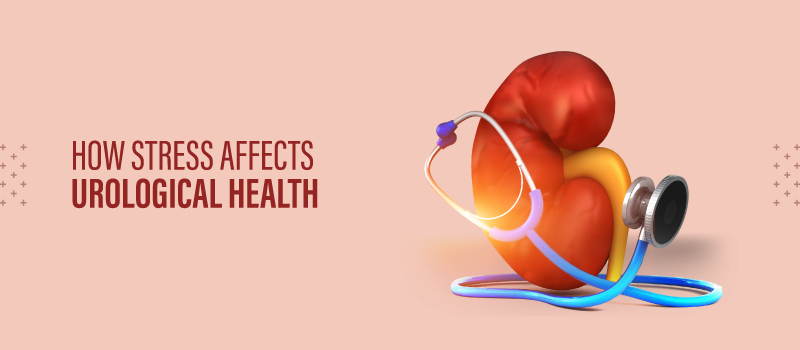
How Stress Affects Urological Health

Table Of Contents

  • Stress and Your Health
  • Stress and Urinary Tract Infection (UTIs)
  • Stress and Frequent Urination (Overactive Bladder)
  • Worsening the Symptoms of Prostate Enlargement symptoms
  • Reduced Sexual Function
  • Stress and Kidney Stones
  • How To Improve Your Urological Symptoms
  • Conclusion
  • FAQs

Stress has become a common issue among people of all ages. And while it can severely impact your mental health, stress is also linked to increased risk of physical health issues. Stress causes an increase in the blood levels of Cortisol which is also known as ‘ Stress Hormone’, this inturn can affect your other hormones. In this post, we have explored the link between stress and urological health.

Stress and Your Health

Stress triggers fight-or-flight mode in your system. It’s a natural way for your body to deal with a challenging situation. While that’s alright for some unexpected, short-term issues, it can pose a risk to your physical and mental health if stress becomes a regular thing. In other words, chronic stress can disrupt your hormones and emotional as well as physical health in many ways.

From urinary incontinence to erectile dysfunction, stress can affect different parts of your urological health. Let us delve into some of the common conditions afflicting the urinary and sexual organs which have a direct or indirect association with your mental stress levels.

Stress and Urinary Tract Infection (UTIs)

A common question that crosses our mind is: Can stress cause a UTI? Stress isn’t directly linked to UTIs, but it does heighten the risk of a persistent and recurring infection. Stress affects your sleep cycle and can suppress your immune system.

Simply put, it affects your ability to fight off infections. Additionally, stress causes frequent urination, which may prevent people from drinking enough water and cause dehydration which is a predisposing factor for developing an UTI. These can make your bladder an ideal place for the bacteria to thrive. So, yes. It’s possible for someone with chronic stress to have frequent episodes of urinary tract infections.

Stress and Frequent Urination (Overactive Bladder)

Stress can increase the level of cortisol and adrenaline in your body, which may affect your bladder function. It makes your bladder more sensitive, leading to more frequent contractions. As a result, you might feel an urge to pee even when you have just used the restroom.

Stress causes an overactive bladder, which brings a range of unwanted and uncomfortable symptoms, like frequent urination, an uncontrollable urge to urinate, and, in some cases, leakage. People with stress are more vulnerable to develop an Overactive bladder and stressful periods tend to worsen the symptoms in people already struggling with an overactive bladder. It may become harder to control your urge to urinate often. That’s not the worst part. Stress can trigger incontinence, which can cause social embarrassment. This, in turn, increases your stress levels, making it a never-ending vicious cycle.

Worsening the Symptoms of Prostate Enlargement symptoms

Prostate , an organ of the male urinary system, is often a source of urinary symptoms in men , especially the elderly. Prostate enlargement can cause poor urinary stream , urinary incontinence, frequent urination especially at night, difficulty starting urination, and pelvic pain in men. These symptoms occur when your prostate has enlarged to the point that it presses against the bladder and urethra. Although stress doesn’t cause an enlarged prostate, it can aggravate the symptoms in men who already have it. Chronic stress can also cause prostatitis—an inflammation of the prostate gland which inturn can lead to urinary and sexual symptoms and lower abdominal and pelvic pain.

Reduced Sexual Function

Men with stress report sexual dysfunction, decreased libido, and inability to get and maintain an erection. This happens due to increased cortisol, which disrupts your sex hormones. Stress and anxiety induces an increase in the inhibitory signals from the brain to the sex organs which prevents one from achieving an erection. Additionally, urinary problems can interfere with your daily life and affect your emotional health, which, in turn, impacts your sexual function.

Stress and Kidney Stones

Now that we’ve established a link between urinary tract infection and mental health, the next important question is, can stress lead to kidney stones? Yes, they can develop over time but the causation is not direct . Chronic stress can cause dehydration, which plays a significant role in your risk of developing kidney stones. When your body is in escape or survival mode, it naturally suppresses your desire to eat and drink.

As a result, you might drink less water than recommended, leading to more concentrated urine. It also decreases your urine output, making the minerals in your urine more likely to bind together to form crystals. Stress is also associated with hypertension and weight gain, which can contribute to an increased risk of kidney stones.

How To Improve Your Urological Symptoms

Whether it’s reduced sexual function or urinary incontinence caused by mental stress, urological issues linked to chronic stress can be managed. Here are some tips that can help with stress and stress-induced urological issues.

  • Stay Hydrated: Drinking enough water is the first step to controlling most urinary issues. Hydration can prevent kidney stones and urinary tract infections. So, aim to drink at least 10 glasses of water a day, especially if you are stressed.
  • Keep yourself active: Physical activity can increase endorphins, which help with your mood and lower stress levels. You can take a short walk in a park, go swimming, or join a gym to increase the production of mood-boosting hormones. This can eliminate stress-related urological diseases.
  • Eat a Bladder-Friendly Diet: While you focus on stress, you must also pay attention to your diet, as eating bladder-irritating food can worsen your symptoms. Avoid caffeinated beverages, alcohol, energy drinks, and spicy foods. Anything that can cause dehydration or electrolyte imbalance must be avoided.
  • See a Counselor: Stress can sometimes lead to more serious mental health conditions, like anxiety and depression. If you can’t get rid of it or are too stressed to sleep, eat, and work like usual, it’s advisable to seek professional help. A counselor can help you identify the underlying cause of stress and give you tips for managing it. This can prevent urinary issues that are triggered due to stress.
  • Consult an Urologist: If you suspect you have developed an UTI or sexual dysfunction you can consider consulting an urologist especially when above lifestyle changes have not helped.

Conclusion

The connection between stress and urological symptoms might not look relevant, but stress is believed to affect your physical and mental health significantly. Stressed people experiencing urological symptoms should see a medical professional for personalized advice on managing stress and improving their urological health. You can see a specialized urologist at AINU to cope with stress-induced urinary incontinence, prostate problems, kidney stones, bladder issues, and UTIs. We are a team of professional uro-surgeons who can assist you in dealing with all kinds of kidney, bladder, and urinary tract problems.

UTIs During Pregnancy: What Expecting Moms Need to Know

Table Of Contents

  • Causes of Urinary Tract Infection During Pregnancy
  • Symptoms of UTI During Pregnancy
  • How UTIs Affect Your Pregnancy
  • Treatment for UTI in Pregnancy
  • Preventing UTI During Pregnancy

Urinary Tract Infection (UTI) is a bacterial infection of the urinary tract, including the urethra, bladder, and ureters. It can sometimes spread to the kidney, causing a kidney infection. Although anyone can get a UTI, women are at an increased risk, particularly pregnant women.

The pressure of the expanding uterus on the bladder, combined with hormonal change, makes pregnant women more vulnerable to this bacterial infection. Let’s explore why UTIs in pregnancy are more common than you think. Later in this article, we’ll discuss the treatment options and how to prevent UTIs during pregnancy. Read on.

Causes of Urinary Tract Infection During Pregnancy

Hormonal changes during pregnancy are significant. Increased progesterone relaxes the urinary tract muscles, slowing down urine flow. Pregnancy also causes vesicoureteral reflux, a condition in which urine flows back up from the bladder to the kidneys, increasing the risk of UTI. Besides that, a pregnant woman’s urine consists of elevated levels of protein, sugar, and hormones. This, with the changes in your urination pattern, creates an ideal environment for the bacteria to travel up the urethra into your bladder and reach the kidneys.

The risk of UTI during pregnancy’s first trimester, up to 24 weeks, is the highest, as that’s when the uterus starts growing. The fetus puts pressure on the bladder, making it difficult for the pregnant woman to empty it completely. Bacteria thrive well in the bladder when there’s residual urine. Another cause of UTI during pregnancy is the suppressed immune system. Pregnancy suppresses your immune system to protect your baby. This reduces your body’s ability to fight infection.

Symptoms of UTI During Pregnancy

It’s not uncommon for women to mistake UTI symptoms for pregnancy. To help you understand the difference between UTI and pregnancy symptoms, we’ve listed the common things you might experience if you have caught a bacterial infection in your urinary tract.

  • Pain and burning sensation while peeing
  • Foul-smelling and cloudy urine
  • Pain in the lower abdomen
  • An urge to urinate more often yet an inability to empty your bladder
  • Pain during sexual intercourse
  • Incontinence
  • Hematuria (blood in the urine)

Although less common, some pregnant women experience additional symptoms that occur when the infection has traveled up to the kidneys. See a urologist immediately if you experience:

  • Fever
  • Chills
  • Nausea and vomiting
  • Pain in the upper side of the abdomen (often confined to one side)

Most gynecologists order urine tests in the first few weeks of pregnancy to rule out silent UTIs. If the infection is suspected, the doctor might order a urine culture to identify the type of bacteria that caused the UTI. The infection is caused mainly by the bacteria E. coli, which is found in your poop.

Around 80-90 percent of the urinary tract infections are caused by this bacteria. It’s advisable to avoid wiping from the back to the front, as it increases the odds of the E. coli reaching the bladder through your urethra and traveling up through the ureters.

The bacteria can also reach your urethra through fingering, during sexual intercourse, or using sexual devices. UTIs are also linked to Group B streptococcus, bacteria found in the genital tract and colon. If it travels up the urethra, there’s a risk the bacteria might pass on to the newborn. Antibiotics are necessary during labor to prevent the transmission.

How UTIs Affect Your Pregnancy

UTIs are treatable. If diagnosed early and treated on time, urinary tract infections won’t cause any complications. However, if left untreated, the infection can increase the risk of premature birth, low birth weight, and other complications during pregnancy. The risk increases drastically if the infection reaches the kidneys, causing back pain, fever, and sepsis in some cases. The condition can be life-threatening for the expecting mother and the fetus. UTI is also associated with an increased risk of preeclampsia.

Treatment for UTI in Pregnancy

Urinary tract infection during pregnancy is common and can be treated. It’s important to watch out for the warning signs and report them to a urologist immediately. The treatment focuses on a course of antibiotics, which may be prescribed for 7-10 days, depending on the severity of the infection and how far it’s spread. You must consult your doctor if you suspect a UTI instead of self-medicating.

Some antibiotics are unsafe for the expecting mother and the fetus. Your doctor will examine your health and recommend safe antibiotics like erythromycin and penicillin. You must continue the antibiotics even if you get relief from the UTI symptoms. Warm compresses can help with UTI-induced pain and discomfort. Ask your doctor about pregnancy-safe pain-relief medication.

Preventing UTI During Pregnancy

Given the increased risk of UTI during pregnancy, expecting mothers should take extra precautions to stay safe. Bacterial infection is not entirely preventable, but a few preventive measures can significantly reduce your risk of contracting UTIs. Here’s what may help:

  • Drink plenty of fluids, around ten glasses of water daily, to flush out bacteria.
  • Never wipe back to front after passing bowel. The bacteria E. coli in your stools can enter your urethra and travel up to the bladder, causing a UTI.
  • Pee immediately after sexual intercourse. This will flush out the bacteria that might have entered your urethra.
  • Pass urine when you feel the urge to. Holding it for long periods can result in bacterial infection.
  • Do not use scented products, and avoid douching.
  • Keep your genital tract clean and dry. Comfortable, loose clothing is advisable to prevent vaginal itching and irritation.

Identifying the symptoms of UTI and reporting it immediately to a urologist is the most important step in treating urinary tract infections during pregnancy. Whether it’s your first or last trimester, urologists at AINU can treat the bacterial infection, ensuring that it doesn’t harm you or the baby. Equipped with state-of-the-art technology, like a robot-assisted surgical facility, we aim to provide the best treatment to our patients.

UTIs can cause discomfort, especially during pregnancy. The symptoms can be intimidating for expecting mothers. But with the timely treatment and proper care, the infection can be treated.

Why & When Should You See A Female Urologist? All You Need to Know About Female Urology

Table Of Contents

  • Understanding Female Urology
  • Common Female Urology Problems
  • When Should You See a Female Urologist?
  • Why Choose a Female Urologist?
  • The Role of a Women’s Urology Center
  • Finding the Best Female Urologist
  • Why AINU India Should Be Your Choice

Women’s urological health is an often overlooked but critically important aspect of overall well-being. As a specialized field, female urology addresses a range of conditions that uniquely affect women, from urinary incontinence to pelvic organ prolapse. Despite its significance, many women may not realize that there are experts specifically trained to manage these issues—female urologists who combine medical expertise with an understanding of the distinct urological challenges women face. Knowing when and why to consult a female urology specialist can make all the difference in receiving the care you need, ensuring that your health and quality of life are maintained at their best. So, if you have found yourself asking, “Why and when should I see a female urologist?” This article is for you.

Understanding Female Urology

Female urology is a specialized field that deals with the unique urological problems women face. Unlike general urology, which covers both male and female conditions, female urology zeroes in on issues like urinary incontinence, pelvic organ prolapse, recurrent urinary tract infections (UTIs), and overactive bladder. These conditions are more prevalent in women due to factors like pregnancy, childbirth, menopause, and the anatomy of the female pelvic floor.

Common Female Urology Problems

  1. Urinary Incontinence:
    Urinary incontinence is one of the most common female urology problems. It refers to the involuntary leakage of urine, which can occur during activities like coughing, sneezing, or exercising. Stress incontinence, urge incontinence, and mixed incontinence are the primary types, each with its own set of causes and treatment options.
  2. Overactive Bladder:
    An overactive bladder is characterized by a sudden, uncontrollable urge to urinate, often leading to involuntary urine leakage. This condition can severely impact a woman’s quality of life, making overactive bladder treatment for females a crucial aspect of female urology.
  3. Pelvic Organ Prolapse:
    Pelvic organ prolapse occurs when the pelvic organs, such as the bladder, uterus, or rectum, drop from their normal position due to weakened pelvic floor muscles. This condition often results from childbirth, menopause, or heavy lifting and can cause discomfort, pressure, and urinary issues.
  4. Recurrent UTIs:
    Women are more prone to urinary tract infections (UTIs) than men, primarily due to their shorter urethra. Recurrent UTIs can be a sign of underlying issues, such as bladder dysfunction or an anatomical abnormality, making it essential to consult a female urology specialist for a thorough evaluation.
  5. Interstitial Cystitis:
    Interstitial cystitis, also known as painful bladder syndrome, is a chronic condition causing bladder pain and frequent urination. It can be difficult to diagnose and treat, often requiring specialized care from a urologist.

When Should You See a Female Urologist?

It’s crucial to recognize when your symptoms warrant a visit to a female urologist. Here are some situations where seeking specialized care is recommended:

  1. Persistent Urinary Symptoms:
    If you’re experiencing persistent urinary symptoms such as frequent urination, a burning sensation during urination, or blood in the urine, it’s time to see a female urology specialist. These symptoms could indicate an infection, bladder issue, or even more serious conditions like bladder cancer.
  2. Pelvic Pain or Discomfort:
    Chronic pelvic pain or discomfort could be related to conditions like interstitial cystitis, pelvic organ prolapse, or endometriosis. A female urologist can help diagnose the cause and provide appropriate treatment options.
  3. Postpartum or Menopausal Changes:
    After childbirth or during menopause, many women experience changes in their urinary or pelvic health. A female urology specialist can offer targeted treatments for conditions like stress incontinence, vaginal dryness, or pelvic organ prolapse.
  4. Sexual Dysfunction:
    Issues like pain during intercourse, lack of sexual desire, or difficulty achieving orgasm can be linked to urological problems. Consulting a female urology specialist can help address these concerns in a sensitive and informed manner.
  5. Family History of Urological Conditions:
    If you have a family history of urological conditions, such as kidney stones, bladder cancer, or recurrent UTIs, it’s advisable to get regular check-ups with a female urologist. Early detection and prevention strategies can significantly reduce your risk of developing similar issues.

Why Choose a Female Urologist?

For many women, discussing intimate health issues can be challenging, especially with a male doctor. Choosing a female urologist can provide a more comfortable environment, making it easier to communicate openly about your symptoms and concerns. Female urologists are not only experts in their field but also bring a unique understanding of the female anatomy and the specific health challenges women face. This can lead to more personalized and effective treatment plans.

The Role of a Women’s Urology Center

A women’s urology center is a specialized facility that offers comprehensive care for female urological conditions. These centers are equipped with state-of-the-art technology and staffed by experienced female urology specialists who are dedicated to providing the highest standard of care. Whether you’re dealing with urinary incontinence, pelvic organ prolapse, or need overactive bladder treatment, a women’s urology center can offer the latest diagnostic and treatment options tailored to your needs.

Finding the Best Female Urologist

When searching for the best female urologist, consider factors such as their experience, areas of specialization, and patient reviews. A highly regarded urologist will have a strong track record in treating female urology problems and will be able to offer a range of treatment options, from conservative therapies to advanced surgical procedures. Don’t hesitate to ask for recommendations from your primary care physician or seek out a women’s urology center known for its expertise in female urology.

Why AINU India Should Be Your Choice

At the Asian Institute of Nephrology and Urology (AINU) India, we understand the unique challenges that women face when it comes to urological health. Our dedicated Women’s Urology Center is staffed with the best female urology specialists who are experts in diagnosing and treating a wide range of female urology problems. Whether you’re dealing with urinary incontinence, seeking overactive bladder treatment, or need a consultation with a female urologist, AINU India is here to provide you with compassionate, personalized care. With state-of-the-art facilities and a commitment to excellence, AINU India is the trusted partner you need on your journey to better health. Visit AINU India to learn more about our specialized services and to schedule a consultation with one of our top female urologists today.

Conclusion

Understanding female urology and knowing when to seek help is crucial for maintaining your overall health and well-being. Whether you’re dealing with a common issue like urinary incontinence or a more complex condition like pelvic organ prolapse, consulting a female urologist can provide you with the specialized care you need. Don’t let discomfort or embarrassment prevent you from getting the treatment you deserve—your health is worth it.

Urinary Incontinence in Women: Symptoms, Causes & Treatment

Table Of Contents

  • What is urinary incontinence?
  • Types of urinary incontinence
  • Signs and symptoms of urinary incontinence
  • Urinary Incontinence in Women
  • Temporary urinary incontinence
  • Conclusion

Urinary incontinence is a very common condition in today’s world and can be a reason for a number of factors that we tend to overlook in our day-to-day lives. It basically refers to the loss of bladder control or urine leak during regular physical activities such as sneezing, exercising, coughing, laughing, and so on, and even the complete inability to control the urge to urinate. Here, we will discuss urinary incontinence in women, its symptoms, causes, and treatment.

What is urinary incontinence?

Urinary incontinence can be defined as the loss of bladder control, often a common and quite embarrassing problem. The severity of this ailment ranges from leaking urine occasionally when you either cough or sneeze to having an extreme urge to urinate that’s so sudden and intense that you get to a toilet at times.

Although it occurs more often with growing age, urinary incontinence is not an inevitable outcome of ageing. In case urinary incontinence affects your day-to-day activities, you shouldn’t hesitate to consult with a healthcare professional. For most people, leading a simple lifestyle and carrying out required dietary changes or medical attention can treat the symptoms of urinary incontinence.

Most women experience occasional, minor leaks of urine while coughing or sneezing, while others may lose small to moderate amounts of urine more frequently. It is very important to seek medical advice as urinary incontinence may:

  • Negatively impact the quality of your life.
  • Indicate a more serious underlying condition.
  • Increase the chances of trips and falls in older adults as they rush to the toilet.
  • Cause you to restrict your daily activities and limit your social interactions.

Types of urinary incontinence

The different types of urine incontinence include:

  • Stress incontinence: This is when urine leaks whenever you exert pressure on your urinary bladder by laughing, coughing, sneezing, exercising, or lifting weights.
  • Urge incontinence: This is when you have a sudden, intense urge to urinate that’s followed by an involuntary loss of urine.
  • Overflow incontinence: This is when you experience frequent or constant dripping of urine due to a urinary bladder that doesn’t empty completely.
  • Functional incontinence: This is when a mental or physical impairment, such as rheumatoid arthritis, keeps you from making it to the toilet in time.
  • Mixed incontinence: This is when you experience more than one type of urinary incontinence. More often than not, this refers to a combination of urge incontinence and stress incontinence.

Signs and symptoms of urinary incontinence

The signs and symptoms of urinary incontinence are as follows:

  • Urine leakage while laughing, coughing, sneezing, exercising, or lifting weights.
  • Frequent urge to urinate.
  • Incomplete bladder emptying.
  • Having a weak or interrupted urine stream.
  • Chronic bedwetting, wherein you involuntarily lose urine while sleeping.

Urinary Incontinence in Women

Urinary incontinence is the involuntary leak of urine or inability to control bladder in women. It can be the result of a various reasons, such as:

  • Chronic cough
  • Constipation
  • Urinary tract infections
  • Weak pelvic floor muscles
  • Pregnancy
  • Childbirth
  • Menopause
  • Obesity
  • Diabetes
  • Nervous issues such as multiple sclerosis, Parkinson’s disease, spinal injury

Temporary urinary incontinence

Certain foods, drinks, and medications can act as diuretics, thereby stimulating your urinary bladder and increasing the volume of urine and cuase urine leak . They include:

  • Caffeine
  • Alcohol
  • Artificial sweeteners
  • Chili peppers
  • Chocolate
  • Sparkling water
  • Carbonated drinks
  • Large doses of vitamin C
  • Sedatives, heart and blood pressure medicines, and muscle relaxants
  • Citrus fruits and foods that are high in spice, sugar, and acid

Urinary incontinence may also be the result of an easily treatable medical condition such as urinary tract infections and constipation.

Persistent urinary incontinence

Urinary incontinence may also be a persistent condition that’s caused by underlying physical issues or changes, including:

  • Pregnancy
  • Childbirth
  • Menopause
  • Obstructions such as a tumor or urinary stones
  • Neurological disorders such as Parkinson’s disease, multiple sclerosis, a stroke, a spinal injury, or a brain tumor

Treatment for urinary incontinence

Treatment for urinary incontinence involves – Life style modifications, seeking professional care, physiotherapy and if required surgery

Life style modifications :

This includes avoiding alcohol and caffeine, doing pelvic floor exercises, and wearing absorbent undergarments. Bladder retraining, which involves gradually increasing the time until urination, may also be of substantial help.

Seeking professional care :

You need to see a doctor immediately in case you:

  • Suddenly began leaking urine
  • Experience additional urinary symptoms and/or
  • Are excessively thirsty and need to urinate quite frequently
  • Feeling embarrassed or starting to withdraw socially

Common medications that can be used to counter urinary incontinence are as follows:

  • Tolterodine
  • Fesoterodine
  • Trospium
  • Darifenacin
  • Solifenacin
  • Mirabegron
  • Oxybutynin
  • Antidepressants such as Imipramine

Managing Urinary Incontinence

More often than not, there are changes to your everyday life that can actually help to better your urinary incontinence. These changes usually include saying goodbye to substance abuse, doing exercises to strengthen your pelvic region, and an improved diet.

Lifestyle changes that can help in the management of urinary incontinence are as follows:

  • Emptying your urinary bladder on a regular basis and in a timely manner.
  • Emptying your urinary bladder before physical activities.
  • Avoid lifting heavy objects.
  • Regular Kegel exercises are done to strengthen your pelvic floor muscles.
  • Avoid the consumption of caffeine or a lot of any other fluid before starting any activity.
  • Wearing pads and other products to catch any leaked urine.
  • Practice bladder training to help stretch out the time between each trip to the washroom.
  • Maintaining a healthy body weight.

Pelvic Floor Exercises for Incontinence

Pelvic floor exercises, or Kegel exercises, can help improve the symptoms of urinary incontinence. Here are some tips to do Kegel exercises in the right way:

  • Identifying your pelvic floor muscles by stopping urination midstream.
  • Starting slowly with 3-second holds and 3-second relaxes, and repeating this process ten times.
  • Tightening your pelvic floor muscles as if you’re trying to lift a marble by sitting on it.
  • Avoiding flexing your thighs, abdomen, or buttocks.
  • Breathing freely throughout the exercise.
  • Doing up to 10 repetitions, 3-5 times each day.

You can start in any position, but remember that it is easier to do Kegel exercises while lying down at first.

Conclusion

Urinary incontinence can be a result of a number of factors and can affect almost anyone. It is important to keep your daily life in check and be away from substance abuse. Although you might feel uncomfortable discussing the issue of urinary incontinence with your doctor, you should visit a experienced healthcare professional if your incontinence is quite frequent or is affecting the overall quality of your life.

If you’re looking for the best treatment for your urinary incontinence problems, then we at the Asian Institute of Nephrology and Urology (AINU) are going to be your ideal destination. We at , AINU offer sophisticated care with the passion to serve patients in need. We have already set benchmarks by using the best-in-class technologies and equipment. We are equipped with state-of-the-art equipment so as to ensure an evidence-based treatment that is uniquely tailored for different patients. So, if you’re suffering from urinary incontinence problems, book an appointment with us today.

Urinary Tract Infection (UTI): Symptoms and Causes.

  • Overview
  • Symptoms and Causes of UTI
  • Symptoms
  • Risk Factors
  • Complications of UTI
  • Diagnosis and Treatment
  • FAQs

UTI, or Urinary Tract Infection refers to the infection of any part of your urinary tract. It can be the kidneys, bladder, urethra, or ureter. The infection is mostly caused by the bacteria E. coli and can be treated with antibiotics. Women are more likely to develop UTIs as compared to men.

Although it’s treatable, the infection that spreads to the kidney and other parts of the urinary tract can cause a host of painful symptoms. Fortunately, the treatment is available, and there are steps you can take to mitigate the risk of developing the infection in the first place. In this post, we’ve shared everything you should know about urinary tract infection symptoms, the causes of UTI in women, how to prevent urine infection, and the available treatment. Let’s take a look.

Symptoms and Causes of UTI

Our urinary tract system produces urine to filter waste and excess fluid from the blood. Although the process usually doesn’t involve any complications, sometimes the bacteria can enter the urinary tract, causing urinary tract infections.

As mentioned above, a UTI is a bacterial infection caused by E. coli that enters your ureter and the bladder. There’s a risk of the infection reaching your kidneys through the bladder. Anyone can get a UTI, but women are at increased risk. The bacteria is found in large intestines, and since women have the anus close to the urethra, which is close to the bladder, there is an increased risk of the infection traveling from your anus to the urethral opening and ultimately reaching the bladder.

Symptoms

  • Lower abdominal and pelvic pain
  • Cloudy urine with a weird smell
  • Frequent and sudden urges to pee
  • Inability to hold urine
  • Pain or burning sensation when peeing
  • Blood in the urine

In rare cases, you might experience fever, chills, nausea, and fatigue. If you notice any of the above symptoms, see your doctor immediately. They will diagnose the type of infection and recommend a suitable treatment accordingly.

Risk Factors

Any woman can develop a UTI because of their anatomy. Since there’s very little gap between the urethra and the anus, the bacteria has less distance to cover when traveling to the bladder. This puts them at an increased risk of getting urinary tract infections. Sexual activity can also increase your risk of catching an infection, especially if you have multiple sexual partners. Women who have entered menopause are also at a high risk of getting UTIs because of a lack of estrogen. Other than these, the below-listed risk factors increase your risk of developing an UTI.

  • Urinary Tract Problems: Children born with a birth defect in their urinary tract system might have trouble peeing. The excess pee stored in the bladder can increase the risk of an UTI.
  • Kidney Stones: Kidney stones block urine from passing through the bladder, which can eventually result in a UTI.
  • Weak Immune System: If your immune system isn’t working optimally or has been temporarily suppressed due to an organ transplant or other medical requirements, your body might not be able to kill bacteria. This increases the risk of a urinary tract infection.
  • Catheter: Those who are unable to urinate naturally and are using a catheter to empty their bladder are at high risk of developing an infection.
  • Urinary Procedure: If you have recently undergone a urinary procedure that involves the use of a medical instrument, you might be at an increased risk of UTI.

Complications of UTI

UTIs do not really cause any major complications, but the symptoms can be embarrassing and painful. If it’s left untreated for a long time, a UTI can lead to:

  • Repeated infection
  • Kidney damage from repeated and untreated UTIs
  • Complications in pregnancy, i.e., high risk of low birth weight
  • Sepsis

It’s important to seek medical help immediately if you suspect a urinary tract infection. Pain while peeing or blood in the urine is never common. They are mostly caused by an underlying medical condition, which is why it’s important to get evaluated to rule out the possibility of any serious health issues.

Diagnosis and Treatment

A UTI can be diagnosed with a urinalysis. In this case, a sample of your urine is sent to the lab to test for the presence of a bacterial infection in your urinary tract. An ultrasound might be needed if you have repeated UTIs that don’t respond to the antibiotics. Likewise, your healthcare provider might recommend a cystoscopy to take a look inside your bladder to detect infection.

The best treatment for UTIs is antibiotics. You will be prescribed antibiotics, depending on the type of infection and the complications. It’s important to take your medicines for the duration recommended by your doctor, even if your symptoms go away. If the UTI returns, it will be more difficult to treat.

That was all about the urinary tract infection. It’s important to see a medical specialist if you notice any of the above-mentioned symptoms, as an UTI can be difficult to treat if it reaches your bladder.

Understanding Common Female Urology Problems and Their Treatments

  • Overview
  • 1. Postpartum Urinary Incontinence (UI)
  • 2. Urinary Tract Infection
  • 3. Overactive Bladder
  • 4. Pelvic Issues
  • 5. Prolapsed Vagina
  • Frequently Asked Questions

The Top 5 Most Common Female Urology Problems and Their Treatments

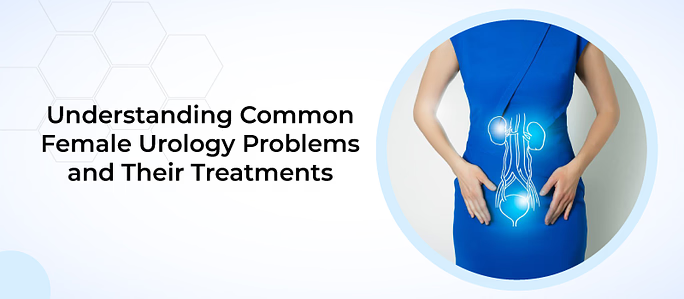
Many women experience urological problems and diseases, but very few seek proper medical assistance. Simply put, urology is a domain of health pertaining to the problems of the urinary tract system. It encompasses organs such as the ureter, urethra, kidneys, bladder, and reproductive organs.

Indeed, a taboo surrounds female urological conditions, but having an open conversation about the same and getting the facts right are the first few things one can do to bring about the necessary changes. In addition, the fact that the ratio of female doctors and female urology specialists in the relevant departments of hospitals is very low also inhibits women from seeking timely care.

In this blog, we will attempt to break the taboo engulfing female urology problems and distinguish facts from fiction.

1. Postpartum Urinary Incontinence (UI)

Stress is part of life. However, excessive stress can contribute to poor health, increase our blood pressure, and even damage the kidneys. The prevalence of Chronic Kidney Disease (CKD) has proliferated in the past two decades. The rising rate of CKD has been attributed to comorbidities such as Diabetes, Hypertension, and obesity. But recent research has begun to acknowledge and explore the implications of social, economic, and psychological factors on CKD. In this blog, we will explore the impact of stress on kidney function and gauge ways to manage it.

Treatment: Multiple non-invasive physical and behavioral therapies, such as pelvic floor therapy, and even medications are available to tackle the issue. In extreme cases, surgery is also an option.

2. Urinary Tract Infection

Alternately known as UTI, Urinary Tract Infection is a female urology problem that occurs due to the accumulation of bacteria in the urinary tract or urinary organs, such as the bladder. The bacteria cause infections that lead to disruptions in routines, culminating in the symptoms of the disease. Several factors can contribute to UTs, such as constipation, exposure to unhygienic surroundings like using a public toilet, improper intake of fluid, and more.

If left untreated, UTIs can reach chronic levels. Some of the common symptoms of UTI include:

  • Unusual smell in the urine
  • Difficulty urinating
  • Trouble starting and stopping urination
  • Burning sensation during urination

Treatment: Multiple female urology procedures are available to deal with the problem. Mostly, antibiotics are prescribed by urologists for women to deal with the problem.

3. Overactive Bladder

The third most common urology problem affecting women is an overactive bladder (OAB). The term ‘overactive bladder’ is often used to describe a series of urological symptoms. Simply put, OAB is a sudden and uncontrollable urge to urinate. It can also manifest as a frequent urge to urinate. The condition is unique to every woman, and its effects are premised on various factors, such as pregnancy, UTI, postpartum, and more.

Treatment: Usually, an overactive bladder is treatable with lifestyle changes, such as reducing alcohol or caffeine intake. However, in severe situations, it is best to consult a trusted female urologist in Hyderabad.

4. Pelvic Issues

The fourth female urology condition on our list pertains to the pelvis. To begin with, the pelvic muscles are integral elements that support the vagina, bladder, and rectum. They are bowl-shaped groups of muscles found in the lower body. After childbirth, the pelvic muscles may begin to experience some problems in their usual functioning. Symptoms of pelvic issues include:

  • Pain during intercourse
  • Pain in the lower back and thighs
  • Dripping at the end of urination
  • Swelling in your hands, legs, or feet

Treatment: Pelvic floor therapies can help mitigate the issue.

5. Prolapsed Vagina

Last but not least, a prolapsed vagina is a common urology problem among women. It is a condition that occurs postpartum. During childbirth, the walls and muscles of a woman’s vagina stretch, causing the muscles to grow thin. The thinning remains for prolonged periods, owing to insufficient relaxation of the pelvic and vaginal areas.

Due to weak vaginal muscles, the organs can get displaced, resulting in the bulging or swelling of the vagina. The swelling can cause discomfort when sitting or standing. Besides, intercourse also feels painful.

Treatment: Mild cases of prolapsed vagina can be reprimanded with kegel exercises.

So, there we have it: a crisp overview of the top 5 most common female urology problems.

FAQs

1. What does a urologist do for females?

Ans. A urologist is a specialist who provides diagnosis and treatment for diseases and conditions related to the urinary tract system in both males and females. While traditionally urologists have been associated with treating male-specific conditions, such as prostate problems and reproductive issues, they also play an important role in the healthcare of women.

2. How does a urologist check a woman’s bladder?

Ans. A urologist checks a woman’s bladder using a small instrument known as the cystoscope.

3. Can I see a urologist during my period?

Ans. Yes, you can see a urologist during your period.

4. What is Urogynecology vs. Urology?

Urology is a more generic field of medicine and deals with men, women, and children. Urogynecology, on the other hand, pertains to matters of the woman’s pelvic floor.

5. What causes urology problems?

Many reasons can cause urology problems among women, such as UTIs, kidney infections, symptoms of bladder stones in females, polycystic renal diseases, and more.

Pregnancy and kidney problems

Table Of Contents

  • Overview
  • Urinary infections (cystitis)
  • Hydronephrosis
  • Kidney stones
  • Acute kidney injury
  • Hypertensive diseases
  • Gestational hypertension
  • Pre-eclampsia (Pregnancy Induced Hypertension)
  • Treatment
  • Conclusion

Though pregnancy is a physiological process most of the time, it can cause kidney problems in some of the women.

Urinary infections (cystitis)

Painful urination with frequency is common in patients with urinary bladder infection.

Hydronephrosis

The volume and size of the Kidneys increase in pregnancy by about 1 cm, because of this some of pregnant women are particularly susceptible to ascending pyelonephritis as a result of bladder infections

Kidney stones

Severe abdominal (or) flank pain along with passage of blood in the urine due to kidney stones is common in some pregnant women

Acute kidney injury

Most common cause of Acute Kidney Injury in pregnancy is dehydration owing to hyperemesis gravidarum i.e excessive vomiting.

Hypertensive diseases

These include gestational hypertension, pregnancy induced hypertension, existing hypertension of any cause and Pre-eclampsia superimposed on pre-existing hypertension.

Gestational hypertension

Pregnant women with BP greater than 140/90 mmHg without loss of protein in urine and whose BP was lower before pregnancy are described as having gestational hypertension.

Pre-eclampsia (Pregnancy Induced Hypertension)

It is the most common renal complication of pregnancy. It is characterized by new onset of hypertension after 20 weeks of pregnancy BP >140/90 mmHg associated with loss of protein in urine and swellings of legs.

Treatment

It should be given according to the category with anti hypertensive medications

Conclusion

At Ainu, we have best Kidney Urologist doctors in Hyderbad related problems are common during pregnancy which should be evaluated at the earliest and taken care by team of health personnel.

Book an Appointment