
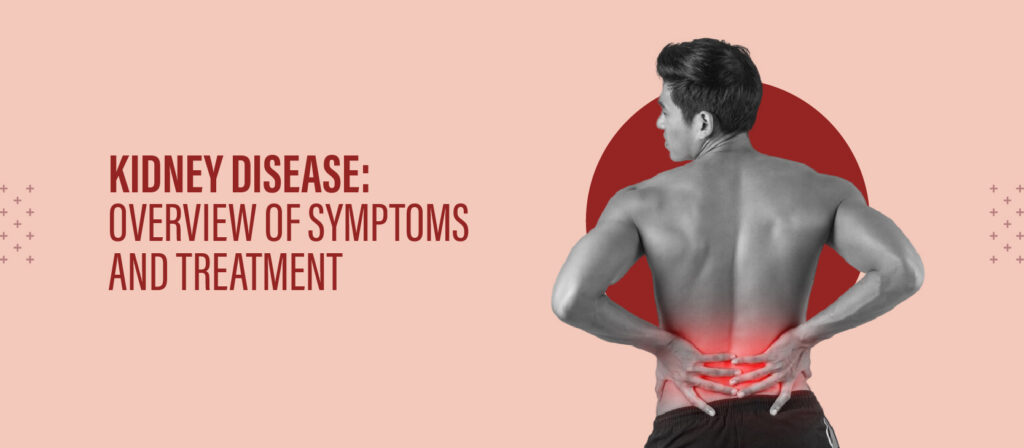
Kidney disease rarely announces itself clearly. It tends to slip into daily routines in small, confusing ways. Someone feels more tired than usual and assumes it is work; ankles looks swollen ,early morning facial puffiness. There might be changes in urination that feel like a temporary change, so they are ignored. The body does not show clear warning signs, and that is part of what makes this illness hard to understand. It often lives in the background for a long time, quietly shaping how the body feels before anyone realizes what’s happening.
What People Notice Before They Worry
Most people don’t start by thinking something is wrong with their kidneys.The early signs of kidney diseasetend to look like ordinary discomforts: easy fatiguability changes in the urinary pattern ,trouble concentrating, or a dull sense that the body feels heavier than it used to. When kidney disease symptoms show up this way, they don’t feel urgent; they feel vague.
That vagueness can be unsettling later, when someone looks back and realises how long the body had been trying to speak. As the condition deepens, the signs of kidney disease become harder to ignore. Shortness of breath, nausea, or foamy urine begins to interrupt normal days. For those living with chronic kidney disease, the changes often arrive so slowly that it is difficult to say when it began. The body adapts, and that adaptation can hide how serious things have become.
Understanding Causes Without Blame
When people first hear about the causes of kidney disease , the list can feel overwhelming. Diabetes, high blood pressure, infections, long term use of painkiller or alternative medication and genetics. Conditions like polycystic kidney disease complicate the story even more, because they are not caused by lifestyle or habits in any simple way. This is where many people struggle. There is a quiet urge to find a single reason, something to blame or fix. But kidney disease often comes from layers of things building over time. That reality is uncomfortable. It does not offer a clean explanation. It asks for patience instead.
The Question That Comes Up Too Late
For many people,Kidney diseaseis not discovered because something suddenly feels wrong. It is found when a routine blood test looks unfamiliar, when swelling lingers longer than expected, or when fatigue refuses to pass. Only then does the question surface: how long has this been happening?
Seeing a kidney specialist often marks a shift. Appointments bring more information, but not always immediate clarity. What follows is often a period of watching, retesting, and waiting; a stretch of time that can feel more unsettling than bad news itself.
At AINU Hospitals, this is often where we first meet patients. Across our centres, we focus on early recognition, careful evaluation, and clear conversations, so people understand what their kidneys are telling them before uncertainty turns into delay.
Treatment Is Not What People Imagine
There is an assumption that kidney disease treatment means aggressive action right away, like strong medications, big interventions, or something that feels decisive. In reality, treatment is often quieter than expected. It might involve adjusting blood pressure medication, changing how fluids are managed, or simply watching how the kidneys respond over time. What quietly works is consistency, showing up for lab work, taking medication even when symptoms do not change, and making small adjustments that feel almost pointless day to day. What people assume should work is usually faster and louder, like a single fix or a clear turning point. Kidney disease does not often offer that kind of relief. This is where we, at AINU Hospitals, take a measured and personalised approach. Our kidney and urology teams work together to guide treatment thoughtfully, helping patients move forward without fear or unnecessary intervention.
What Life Looks Like With Chronic Kidney Disease
The phrase chronic kidney disease sounds heavy. But most people continue working, cooking, caring for family, and making plans while adjusting to changes they cannot always predict. The chronic kidney disease symptoms can be unpredictable, which makes planning difficult. Fatigue may appear without warning. Appetite can shift. Sleep may become lighter or disrupted, even on days that otherwise feel normal. What weighs on many people is not only the symptoms but also the uncertainty that comes with them. It is hard to know which days will feel steady and which will not, or how quickly things might change. Some periods pass with little disruption. Others feel fragile. That uncertainty settles into daily life, shaping routines, decisions, and expectations, even when it is not spoken about openly.
Why Patients Trust AINU for Kidney and Urology Care
At AINU Hospitals, we believe treatment works best when it is both precise and personal. We bring together experienced urologists, nephrologists, and support teams who work closely to understand each patient’s condition in detail. Across our centres, we use minimally invasive techniques, advanced laser procedures, and modern diagnostic tools to manage kidney and urology concerns with care and accuracy. From early evaluation to long-term follow-up, we focus on clear communication and consistent support, so patients never feel rushed or unheard. Our infrastructure is designed to handle both routine and complex cases, backed by strong ICU support and strict infection control. More than outcomes alone, we value trust, comfort, and helping people regain confidence in everyday life.
Final Thoughts
What does not get discussed enough is how lonely kidney disease can feel. It is not always visible. It does not always come with pain that others can see. People may look fine while feeling deeply unwell. Explaining that contradiction takes effort, and sometimes it feels easier not to explain at all. Understanding kidney disease often comes slowly, through lived moments rather than clear instructions. It shows up in how someone learns to listen to their body differently, in how expectations shift, and in how patience becomes less of a virtue and more of a necessity. There is no neat ending to that process, just an ongoing attempt to make sense of what the body is doing now.