Understanding Uro-Oncology: Common Cancers and Risk Factors

Cancer, a term that can silence a room. Almost everyone has a story, maybe about a family member, maybe about a friend, sometimes even about a personal scare. When it hits the urinary system or the male reproductive organs, the area of care is called uro-oncology. Behind the big word is something very real: people, lives, and treatments that can make all the difference. Here we’re focusing on the common cancers and risk factors in this field. These include bladder cancer, prostate cancer, kidney cancer, and testicular cancer. Each one has its own warning signs, challenges, and risk patterns. And yes, each one is important to know, not just for patients, but for anyone who cares about health.

What Uro-Oncology Really Means

So what is uro-oncology? It’s where two medical worlds meet. Urology, which deals with the urinary system and men’s reproductive organs, and oncology, which focuses on cancer. Put them together and you get a field that handles some of the most common cancers in men and, in some cases, women. It’s easy to think of this as just another specialty. But here’s the thing: these cancers don’t only affect the body. They affect how people live, how they feel about themselves, and even how they see the future. Doctors in uro-oncology often find themselves talking through fear, not just disease. And that human side matters as much as the surgery or the medication.

Bladder Cancer: The Red Flag of Blood in Urine

Bladder cancer is one of the most frequent cancers in this area. It usually starts in the lining of the bladder. The number one cause is smoking. The chemicals in cigarettes don’t just disappear. They get filtered through the kidneys, stored in the bladder, and over time, they damage the cells there. But it’s not only smoking. People who’ve worked for years with dyes, rubber, or certain chemicals are more at risk too. Chronic bladder infections can also raise the chances. And family history, though less common, can’t be ignored. The biggest clue many people notice is blood in the urine. It doesn’t always mean cancer, but it’s not something to brush off. A doctor should always check it out sooner rather than later.

Prostate Cancer: Slow but Serious

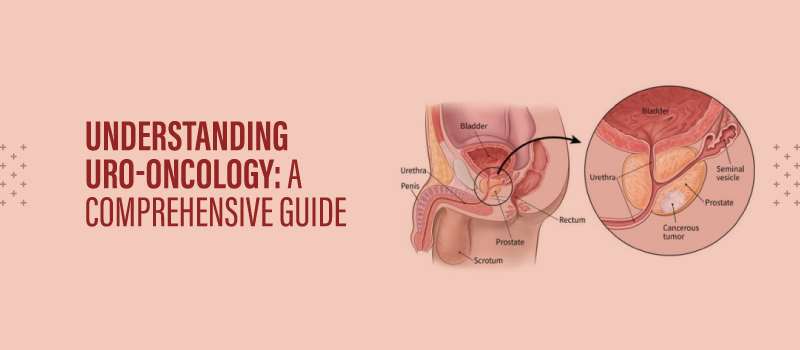
Prostate cancer deserves special attention. Among men, it’s one of the leading cancers worldwide. The prostate is small, about the size of a walnut, but the disease that grows there can change everything. One difficult truth: prostate cancer often develops slowly. Some men don’t even know they have it until a blood test or routine checkup points it out. That’s why regular screening is so strongly recommended. The common cancers and risk factors for prostate cancer come down to age (men over 50 are at higher risk), family history (a father or brother with prostate cancer increases the odds), and ethnicity. Not all prostate cancers are life-threatening. But finding out early gives men more options and, often, less aggressive treatment.

Kidney Cancer: Often Found by Accident

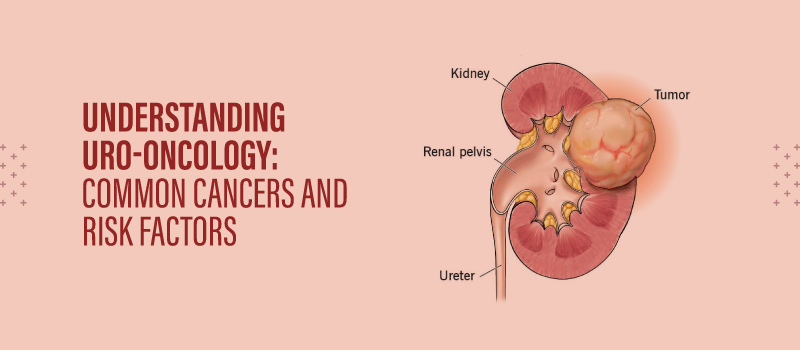
Kidney cancer is another focus in uro-oncology. It’s tricky because it doesn’t always announce itself with loud symptoms. In fact, many people only discover it when they’re scanned for something else. When signs do appear, they might include side or back pain, blood in the urine, or sudden, unexplained weight loss. But many cases are silent for a long time. The common cancers and risk factors for kidney cancer are strongly tied to lifestyle: smoking, obesity, and high blood pressure. Genetics also plays a role, especially if inherited conditions run in the family. The good news is that lifestyle changes, like quitting tobacco, keeping a healthy weight, and managing blood pressure, can really lower the risks.

Testicular Cancer: Affecting Younger Men

Unlike prostate or bladder cancer, testicular cancer usually affects younger men, often between ages 15 and 35. And that can make it feel even more shocking. At a stage of life when men are thinking about careers, relationships, and maybe starting families, cancer is the last thing they expect. The exact cause isn’t always clear. But the risks go up for men who were born with an undescended testicle or who have a family history of the disease. Here’s the silver lining: testicular cancer is highly treatable. Even in advanced cases, outcomes are often very good. The best tool men have is awareness. Regular self-exams can help spot unusual lumps or swelling early, and early detection almost always improves the outcome.

Lifestyle and Environmental Risks

If you step back and look at the common cancers and risk factors across the field of uro-oncology, one theme keeps coming up: lifestyle. Smoking shows up again and again as a major risk for bladder and kidney cancers. Being overweight makes prostate and kidney cancers more likely. Diet matters too; with too much processed food and not enough fruits and vegetables, the body loses some of its natural defenses. The environment counts as well. People who work with chemicals, rubber, dyes, and paints face higher risks. Even pollution is being studied as a possible factor. These connections show that cancer isn’t always just about bad genes or bad luck. It’s about how we live, where we work, and what we’re exposed to daily.

Why Awareness Saves Lives

At the end of the day, uro-oncology is about more than treatment. It’s about awareness. Knowing the common cancers and risk factors gives people the chance to act sooner. Screenings, check-ups, and conversations with doctors; these things may feel routine, but they can mean the difference between catching cancer early and finding it when it’s already advanced. And let’s be honest, many men avoid these conversations. Sometimes it’s embarrassment, sometimes fear. But silence can cost lives. The more we talk about these things, the more likely it is that cancers will be caught early, when they’re most treatable.

Best Uro-Oncology Hospital in India – AINU Hospitals

At the Asian Institute of Nephrology and Urology, we don’t just treat cancer; we walk with patients through the journey. Our uro-oncology team combines precision medicine with genuine care. We’ve seen how difficult these conditions are, and we make it our mission to deliver treatment with dignity. From screenings and PSA testing to complex robotic surgeries, everything is under one roof. Some people need early detection, others advanced procedures. We adjust because no two cases are the same. That’s the truth of cancer care. Our consultants include top uro-oncologists in India, along with experts in female urology who understand the personal side of intimate health. Organ-preserving surgeries, minimally invasive methods, chemotherapy, and radiation; we use what works best for each person. At AINU Hospitals, we believe survival is important, yes, but so is quality of life. That means kidney health, control, confidence, and emotional strength.

Conclusion

Uro-oncology may sound like a complicated specialty, but its focus is simple: cancers of the urinary and reproductive systems. Bladder, prostate, kidney, and testicular cancers each bring their own risks, symptoms, and stories. By knowing the common cancers and risk factors, people can take small but powerful steps. Screening, healthier choices, and being aware of changes in the body make a real difference. Cancer is never easy. But knowledge takes away some of the fear. Awareness means being prepared, and preparation often leads to better outcomes. And at the heart of it all, that’s what uro-oncology is really about: giving people the chance to fight back with information and with hope.
Understanding Uro-Oncology: A Comprehensive Guide

Getting diagnosed with any kind of cancer is hard. But when it involves the urinary system or male organs, most people don’t even know where to start. It’s not something we talk about often, and it’s easy to feel like you’re on your own. That’s where the field of uro-oncology treatment comes in, offering guidance, options, and some much-needed clarity. This guide is here to help you understand the situation better and what your next steps might be.

What is Uro-Oncology?

Uro-oncology deals with cancers of the Adrenal gland, kidneys, bladder, prostate, penis and testicles. It’s a branch of medicine that combines two specialties: urology and oncology. These cancers can be slow, sneaky, or aggressive; it depends. Some creep along with no symptoms for years. Others spread fast. Many cases don’t get caught early. But things have changed with better tests, smarter treatments, and more options. If caught early, many of these cancers can be treated effectively. That’s what gives people hope.

What are the signs of Uro – Oncology?

Let’s be honest. Spotting blood in your urine would make anyone panic. But what about going to the bathroom more often or feeling a dull ache near your back? Those, most of us tend to brush off. That’s why so many people are shocked when they get a uro-oncological cancer diagnosis. The symptoms were there, just not loud. That’s why testing matters. A lab test, a scan, maybe a biopsy; none of it is fun, but it helps doctors see what’s going on.

Common Cancers in Urology

Prostate cancer is one of the most common cancers in men, especially as they grow older. Bladder cancer is closely linked to smoking and often shows its first signs through blood in the urine. Kidney cancer is sometimes detected incidentally, during scans done for unrelated reasons. Testicular cancer, tends to affect younger men, but the good news is that it’s highly treatable when caught early. Each of these cancers has its own characteristics, risks, and impact on patients’ lives.

What treatment actually looks like

Uro-oncology treatment doesn’t follow one fixed plan. It depends on where the cancer is, how advanced it is, if it’s spread, your age, how your body’s doing overall, and your own preferences. For some, surgery is the first step. Uro oncology surgeries are complex however with good experts and equipment patients said through the treatment proves without much peri operation struggle ex: Minimal invasive surgeries like laparoscopic & Endoscopic and robotic procedures. For others, radiation or chemotherapy may be recommended. Newer options like immunotherapy are also showing excellent results for certain cancers. Sometimes, the best plan is simply to wait and watch. Some cancers grow so slowly that it makes more sense to monitor them than jump into treatment that could cause side effects too early. This doesn’t mean ignoring it; it just means being smart about timing. Many are now minimally invasive, using smaller incisions for faster recovery. Robotic-assisted procedures add even more precision, helping doctors treat cancers more effectively while preserving quality of life.

It’s not just about your body

People talk about the physical aspect a lot: scans, test results, and recovery. But what doesn’t get mentioned enough is the mental part. Getting a uro-oncological cancer diagnosis is life-altering. It derails your life. One minute you’re living life like normal, the next minute you are overwhelmed with uncertainty. And because these cancers often affect private parts of the body, people don’t always open up about them. They keep it quiet, feel awkward, and are embarrassed. It’s totally okay to feel weird, scared, or even angry. Talk to your doctor, a therapist, or someone who’s been through it. There are groups out there that exist just to make you feel less alone in all this.

After the treatment ends

Here’s what most people don’t tell you: finishing treatment doesn’t mean you’re just done and life goes back to normal. You’ll have follow-ups, scans, and maybe bloodwork. You’ll probably still worry a little. Some days will feel like everything’s fine, and other days, not so much. That’s just part of it. And yes, there might be side effects that stick around. Maybe your energy’s lower or your body just doesn’t feel like it used to. That matters, and it’s worth talking about. But also a lot of people say cancer changed their perspective, slowed life down, and made them see what really matters.

Why we need to talk about this more

Uro-oncological cancers don’t get talked about enough. People think problems like peeing issues or testicle pain are awkward or embarrassing, so they ignore them. But the longer you wait, the fewer options you have. That’s just real talk. We’ve got to break that silence. Talk to your partner, your friend, your doctor, or anyone you trust. Raising awareness doesn’t need a billboard; it just needs people willing to be honest. Because the truth is, early detection saves lives. If just one person reads this and goes to get something checked out, it’s worth it.

Advancing Uro-Oncology Care with Precision and Compassion at AINU

At AINU, we don’t just treat urological cancers; we walk with our patients every step of the way. Since opening in 2013, the Asian Institute of Nephrology and Urology has become one of India’s go-to hospitals for uro-oncology treatment. We have centers in Hyderabad, Secunderabad, Vizag, Siliguri, and Chennai, providing top-notch care for our patients. We’ve helped people get through tough cancer diagnoses, offering minimally invasive surgeries that speed up recovery and reduce pain. Our doctors are some of the best in their field, skilled in robotic and laparoscopic methods that make healing faster and easier. Not only did we earn NABH accreditation early on, but we’ve also grown into one of the most trusted places for renal and urological care. Every patient here matters.

Wrapping It Up

Uro-oncology treatment isn’t just about removing tumors or finishing chemotherapy. It’s about the whole journey, understanding your body, making decisions you never thought you’d have to make, and finding your footing again afterward. If you or someone close to you is going through this, you’re not alone. Advances in medicine, stronger networks of care, and a growing focus on patient well-being mean that the road, though challenging, is one of hope and possibility.

Explaining the Differences Between Kidney Stones vs. Kidney Cancer

Kidney diseases have become increasingly common, raising concerns among patients about the nature of their illness. Since there are various types of kidney diseases that have similar symptoms and impact, they cause patients to worry about the severity of the condition and the accuracy of the diagnosis. However, knowing the difference between issues such as kidney stones and cancer can ensure a precise diagnosis and treatment route. In this article we will explain the difference between these two illnesses for a confident outlook.

Understanding Kidney Stones

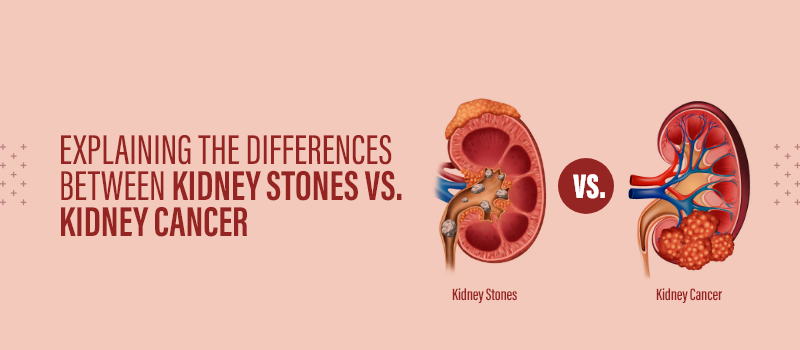
Renal calculi, known commonly as kidney stones, are mineral or salt deposits that collect in the kidney when the organ is not functioning optimally. The concentration of urine, which causes the minerals like calcium or uric acid to stay behind in the kidneys, causes the minerals to crystallize into small stones, which cause immense pain and discomfort. There are multiple types of kidney stones, including calcium stones, uric acid stones, cystine stones, and more.

Calcium stones, as the name suggests, are calcium deposits made up of calcium oxalate and/or phosphate that collect in the kidneys. Uric acid stones are seen most commonly among individuals whose intake of protein is very high or who suffer from dehydration. Lack of water in the body leads to a higher concentration of uric acid, leading to the formation of these stones. Cystine stones are a very rare type of kidney stone and most commonly occur as a hereditary disease.

What are the Causes and Symptoms of Kidney Stones?

Kidney stones can occur because of several reasons, but the most common causes include high-protein diets, excessive intake of salt, dehydration, medicinal side effects, or genetic predisposition. If your family has a history of kidney stones, you are likely to get afflicted with the issue if proper care is not taken.

When a person suffers from kidney stones, they can experience distressing symptoms such as the following:

  • Extreme and sharp pain in the back or the side of the body
  • Hematuria or presence of blood in the urine
  • Nausea and vomiting
  • Pain during urination
  • Frequent feeling of urination
  • Pain in the lower abdomen and groin region

A sharp, often cramp-like pain in the lower body, typically in the flank region, which radiates to the abdominal area, is a key sign of kidney stones.

Understanding Kidney Cancer

While the experience may be similar to a layperson, kidney cancer is an entirely different disease and a very serious one. It refers to the condition of the kidney cells growing rapidly and uncontrollably in an abnormal manner. This life-threatening disease can be of different types, the most common one being renal cell carcinoma, which is what 90 percent of kidney cancer patients suffer from. Apart from this type, Wilms tumor and transitional cell carcinoma are other types of kidney cancer impacting people. The Wilms tumor impacts children primarily.

Kidney cancer is the presence of a malignant tumor in the kidneys, which causes dull and continuous pain to the patient, which may increase gradually. The pain in this case is felt in the back side, also known as the flank area. However, since the lump cannot be felt by the patient, especially in the early stages, it is commonly mistaken for kidney stones unless proper diagnostics are run.

What are the Causes and Symptoms of Kidney Cancer?

Kidney cancer, too, has several distinctive causes. While family history of kidney cancer is a significant cause, alerting those with a genetic possibility to contract the issue, there are many other common reasons behind it as well. Individuals who smoke, are obese, suffer from high blood pressure, or are continually exposed to certain types of toxic chemicals such as herbicides are at a higher risk of getting kidney cancer. Apart from that, those suffering from kidney disease and getting dialysis for a long time are also at risk of getting kidney cancer.

A person who gets kidney cancer will see some common symptoms of the disease, including the following:

  • Presence of blood in the urine (may or may not be visible to the naked eye)
  • Fatigue
  • Sudden weight loss without any reason
  • Consistent and dull pain in the back or lower side region
  • Onset of fever without any trace of infection
  • A mass in the kidney area

One of the biggest differences between kidney stones and cancer is the kind of pain experienced by the patient. In the case of kidney cancer, the patient will suffer from a dull and persistent kind of pain, whereas with stones, the pain is sharp, such as that which one feels during cramps or feeling like getting stabbed. The presence of urine in the case of cancer can be microscopic, which makes it tricky for patients to suspect.

Expert Treatments at AINU

If you have been struggling with kidney-related issues, come visit us at AINU, Hyderabad. We understand the critical nature of the disease, whether it be stones or cancer, and the need for quick and conclusive diagnosis. For seamless kidney stone treatment in Hyderabad or cancer treatments in Hyderabad, you can trust AINU, Hyderabad. Equipped with experienced and highly skilled experts and state-of-the-art infrastructure, we make your journey, from diagnosis to treatment to recovery, hassle-free and empathic. Our experts provide personalized care, listen to your ailments, needs, and goals, and provide the most suitable course of action to effectively handle the disease with as little discomfort as possible. For more information, connect with us today.

Conclusion

Kidney issues can cause consistent and long-term challenges for patients, which can be exacerbated by misdiagnosis and improper treatment. The critical nature of kidney diseases and the important role this organ plays make it imperative to address issues as quickly as possible. For this, reaching the right experts in time is critical. It is also equally essential to know the difference between varied diseases to ensure you understand what the experts explain and are able to connect it with your condition.

Book an Appointment