OVERACTIVE BLADDER: Causes, Symptoms, Diagnosis, Treatment

Table Of Contents

  • OVERACTIVE BLADDER: Causes, Symptoms, Diagnosis, Treatment
  • Causes of Overactive Bladder:
  • Symptoms of Overactive Bladder:
  • Treatment of OveractiveBladder:

OVERACTIVE BLADDER: Causes, Symptoms, Diagnosis, Treatment

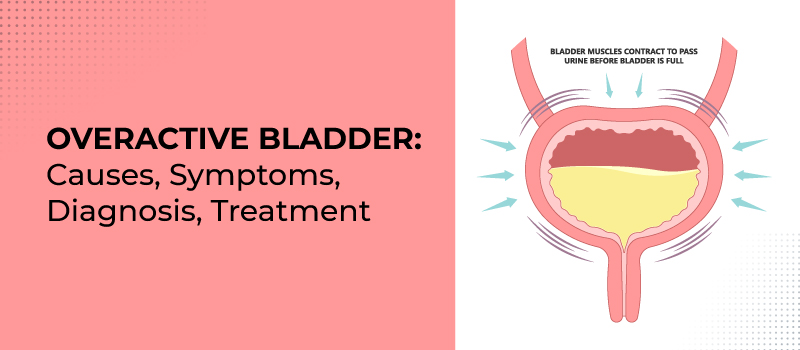
Overactive Bladder (OAB) is a very commonly encountered urological condition. The causes for OAB are quite diverse, identifying the cause forms one of the mainstays of treatment. The symptoms of OAB can impair one’s Quality Of Life. Insight into one’s symptoms and seeking appropriate medical attention forms a very important part of the overall management.

Causes of Overactive Bladder:

    The causes for OAB are numerous. Some of the common causes that are routinely seen are,

  • Overweight
  • Elderly age group
  • Post-menopausal state
  • Urinary tract infections
  • Benign enlargement of prostate

Symptoms of Overactive Bladder:

It is often challenging to know for oneself that the urinary symptoms are that of OAB. It is often ignored and being attributed to progressing age. Common symptoms of OAB are,

  • Frequent urination: uncontrollable and frequent feeling to urinate. A constant or frequent feeling the need to empty the bladder despite the last urination was just few minutes ago
  • Urgency : sudden urgency to urinate
  • Disturbed sleep resulting from frequent urination at night

Treatment of OveractiveBladder:

Before the treatment is initiated, a sincere attempt to establish the diagnosis is very crucial. OAB in the setting of some underlying cause requires comprehensive approach for the treatment. However, based on the merit of every case, some of the below investigations namely Urine Analysis, Ultrasound, Uroflowmetry / Urodynamics or Cystoscopy may be warranted.

Lifestyle modifications form an essential part of the managing a case of OAB. Physiotherapy and Pelvic floor muscle exercises are also important tools for the treatment. OAB requires holistic approach for treatment and no treatment in isolation would give long-lasting results. The treatment comprises of the following,

  • Behavioural therapy – in the form of bio-feedback therapy
  • Pelvic floor exercises / Kegel’s exercises – it helps strengthen the muscles of the pelvic floor
  • Body weight management
  • Medications – one has to consult a specialist in order to decide the correct line of management

While it is a fairly common ailment, it doesn’t pose any life threatening risks. It is very crucial to identify the symptoms at very early stage as progression can result in irreversible changes in the bladder. Timely consultation with Urologist and seeking medical attention would prevent progression of OAB.

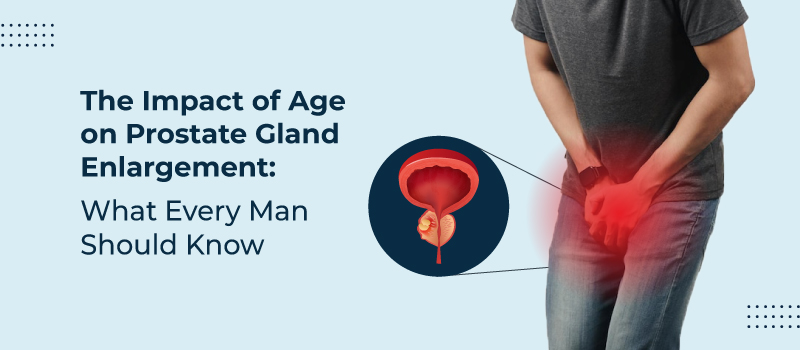
The Impact of Age on Prostate Gland Enlargement: What Every Man Should Know

Table Of Contents

  • Overview
  • What Are the Factors Contributing to Prostate Gland Enlargement?
  • What Are the Factors Contributing to Prostate Gland Enlargement?
  • What Are the Symptoms of Prostate Gland Enlargement?
  • What Are the Risk Factors for Prostate Gland Enlargement?
  • Can Prostate Gland Enlargement Be Cured?
  • What Are Some of the Preventive Measures?
  • Summing Up
  • FAQs

Have you heard of prostate gland enlargement? Perhaps you have heard it from someone casually or in the movies. But what does an enlarged prostate gland mean? The men need to give special attention to this term, as they may experience this condition at some point.

Since you are here to learn a little more about prostate gland enlargement, we have explained everything in this article. Read on to find out.

What is Prostate Gland Enlargement?

Let’s begin with what prostate gland enlargement is. So, it is also known as benign prostatic hyperplasia. It is now a common condition, so you need not worry about it. It’s quite common in aging men.

As men get older, their prostate gland goes through several changes. It could lead to a variety of complications and symptoms.

Age has an impact on both women and men, so you need not get anxious. However, it is essential to detect it a little early so that you can lead a stress-free life.

What Are the Factors Contributing to Prostate Gland Enlargement?

First, it’s the hormonal changes. When men start aging, the balance of the hormones in their bodies will also change. The hormonal fluctuation is fairly normal, and it could lead to the growth of the prostate gland.

Second, it could be cellular growth. The prostate gland has many smaller glands as well as smooth muscle tissue. When men start aging, the cells will also go through several changes. This leads to cellular growth and hyperplasia.

Third, it could also be chronic inflammation. The prostate gland may be inflamed, which is also known as prostatitis. It is quite common in older men.If the inflammation is persistent, the prostate gland will become large, and there will be other symptoms too.

Now that you know the prostate gland enlargement causes, let’s move on to the symptoms. How else would you know that you have prostate gland enlargement?

What Are the Symptoms of Prostate Gland Enlargement?

Prostate gland enlargement has several symptoms:

  • Frequent Urination: Men who have this condition will need to urinate quite often. They feel the need to urinate many times at night. This may disrupt their sleep and affect their sex life too.
  • Trouble starting urination: So, having this BPH condition could cause issues with starting urination. Men may feel pressured or strained to do so.
  • Weak urine stream: Men with BPH will feel their urine stream is not exactly consistent. It may be weak. For example, it may start and stop. Don’t be alarmed! It is one of the symptoms of BPH.
  • Bladder not emptying: BPH could lead to incomplete emptying of the bladder. This could cause some discomfort.
  • Urinary tract infection: Urinary tract infection is also one of the symptoms that may cause itching, a foul smell, a burning sensation, and other problems.

Prostate gland enlargement symptoms should not be ignored. You need to see a doctor immediately.

What Are the Risk Factors for Prostate Gland Enlargement?

<class=”chro_data”>There are a few risk factors for prostate gland enlargement that you should be aware of:


1. Age factor:

As we told you earlier, aging men are more prone to BPH. The risk increases with age, particularly after age 50. Check out the prostate size chart by age and find out whether yours is normal or not.

2. Family history:

Men who have a family history of BPH or prostate cancer may have a higher risk of getting this condition

3.Lifestyle:

Maybe you are lazy or are too heavy. Maybe you are a smoker and an alcoholic. All these are risk factors.

Can Prostate Gland Enlargement Be Cured?

Yes! There is a cure for enlarged prostate gland. There are different treatment options for you.

First, the healthcare provider may ask you to wait. They want you to monitor the condition over a period of time before sharing their thoughts on the best treatment.

Next comes medication. There are many medications that are available to treat this condition. This may also include alpha-blockers or some form of inhibitor. These will help shrink the prostate gland.

Third, the doctor may suggest a minimally invasive process. This is best for those who have moderate-to-severe BPH. If medications are not working for you, this is the best option.

Fourth, there is surgical intervention too. Speak to the specialist about the procedure. This may involve the removal of the prostate gland or just a part of it.

Fifth, there is surgical intervention. This is an invasive procedure, and it is best for those who have severe BPH.

What Are Some of the Preventive Measures?

We are sure you are now aware of the basic facts about an enlarged prostate. But don’t worry; we can share some preventive measures too.

First, you should be active and maintain a healthy life. Exercise regularly, maintain a healthy weight, and start eating a balanced diet. Include all kinds of fruits and veggies.

Second, you should go for regular health checks. Men who are nearing their 50s should do this for sure, especially if there is a family history of BPH.

Third, it would be a good idea to manage health conditions such as diabetes and hypertension. Maintain a healthy weight and take better care of your heart.

Summing Up

It looks like you are now aware of what prostate gland enlargement is and how it affects men after the age of 50. You are aware of the factors, symptoms, and possible treatment options.

There are many medical advancements now, so you need not worry. If you have an enlarged prostate gland, go see a specialist today and take their expert advice.

Frequently Asked Questions

1. What happens to the prostate gland as a result of ageing?

Ans.The prostate gets enlarged once men cross the age of 50. But, this also depends on the lifestyle and family history of the man.

2. Can an enlarged prostate go back to normal?

Ans. Yes! There are medications, minimally invasive procedures, and invasive procedures to shrink the size of the enlarged prostate.

3. What is the fastest way to shrink an enlarged prostate naturally?

Ans. The best remedy for prostate gland enlargement is an improved lifestyle. Though this can only help manage the situation. If the condition is not serious, then medications will be a quick way to shrink the enlarged prostate.

4. Can you live a long life with an enlarged prostate?

Ans. It’s not cancer, so you will live a long life as long as you are healthy and free from any diseases.

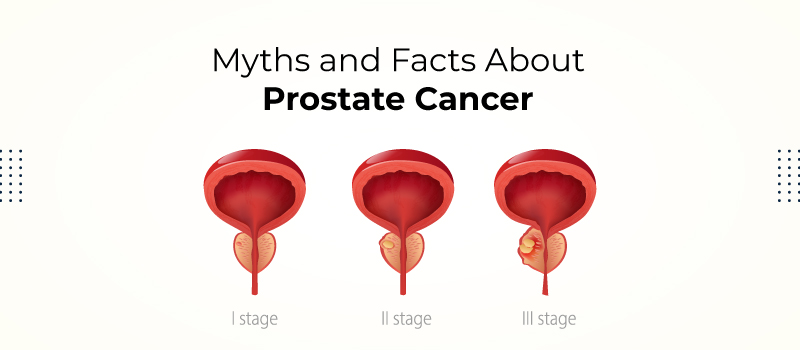
Myths and Facts About Prostate Cancer

Table Of Contents

  • Overview
  • What is prostate cancer?
  • Myth 1: Only Older Men Get Prostate Cancer
  • Myth 2: Prostate cancer is always associated with symptoms.
  • Myth 3: Prostate cancer is a stealthy and slow-growing cancer.
  • Myth 4: Screening tests for prostate cancer are not helpful.
  • Myth 5: All prostate cancers are deadly.
  • Myth 6: Cancers do not run in my family, so I am safe.
  • Myth 7: Prostate cancer surgery eventually causes permanent urine leakage.

Prostate cancer is a pressing healthcare concern worldwide. In fact, it is the second-leading cause of cancer in men globally. Prostate cancer develops when cells in the prostate gland grow out of control.

When we specifically talk about the Indian scenario, prostate cancer is one of the top ten leading cancers in India. It usually affects men in the age group of 65 and older. However, recently, we have seen a surge in reports of prostate cancer being detected in younger men in the age groups of 4th and 5h decades residing in metropolitan cities.

But the irony is that, despite its prevalence, there is considerable confusion, misinformation, and taboo surrounding prostate cancer. Thus, the mushrooming of prostate cancer myths has become a major problem. It is time to shatter misconceptions by debunking the top myths and addressing the top facts about prostate cancer.

What is prostate cancer?

Cancer is the uncontrollable growth of human cells. Cells in any part of the body can become cancerous and spread to other areas. Thus, prostate cancer occurs when cells in the prostate gland start growing uncontrollably. The prostate gland is found only in males and is responsible for making some of the fluid that is part of semen. It is located below the bladder and in front of the rectum.

Top prostate cancer facts and myths

Myth 1: Only Older Men Get Prostate Cancer

Fact: Prostate cancer risk factors include age, physical health, family history, race, and lifestyle.

It is generally true that the older a man is, the more likely he is to develop prostate cancer. Currently, the median age for prostate cancer death is 80 years. However, in recent times, prostate cancer has been diagnosed even among men in their 40s. In addition, people with a strong family history of prostate cancer, especially first-degree relatives, are at a higher risk of developing the disease at a younger age.

Myth 2: Prostate cancer is always associated with symptoms.

Fact: The majority of men with prostate cancer do not have symptoms, and these symptoms are often attributed to other conditions.

Men with early-stage prostate cancer often do not experience any symptoms. And, when symptoms do show up, they are a sign of late-stage prostate cancer. Some of these symptoms include:

  • Difficulty starting or stopping the flow of urine
  • Blood in urine or semen
  • frequent and urgent need to urinate, especially at night

But it is essential to note that some of these symptoms may be a manifestation of other health conditions. So, it is best to keep self-diagnosing at bay. If you experience any one of the symptoms, visit your healthcare provider and consider a screening.

Myth 3: Prostate cancer is a stealthy and slow-growing cancer.

Fact: The low-grade variant of the cancer takes a long time to even progress and become noticeable for active surveillance. However, this is not true for all cases of prostate cancer. High-grade disease and some other variants of prostate cancer can be very aggressive and require the immediate involvement of a skilled urologist. It is only after a biopsy that the urologist can treat the cancer based on the stage and aggressiveness.

Myth 4: Screening tests for prostate cancer are not helpful.

Fact: One of the major prostate cancer facts is that screening tests are important but require vigilance. Early-stage prostate cancer screening is rare, so discuss risk factors with your doctor. The risk factors usually include old age, family history, geography, and ethnicity.

Medical groups prescribe prostate cancer screening differently. But the ideal trajectory is to talk with your doctor about the benefits and risks and then make an informed decision. The screen helps the doctor detect prostate cancer even before the symptoms show up, this enables urologists to provide curative treatment.

The two most common prostate cancer screening tests include:

  • Prostate-specific antigen (PSA) blood test
  • Digital rectal exam (DRE)

Myth 5: All prostate cancers are deadly.

Truth: A very pertinent prostate cancer fact is that the disease is not always fatal. Undoubtedly, prostate cancer is a very serious condition. However, most men diagnosed with the condition do not die from it. In fact, the 5-year survival rate of prostate cancer is 98.6 percent if treated well in time, which is quite a hopeful number. Identifying cancer at an early stage is an important part of improving survival rates.

Myth 6: Cancers do not run in my family, so I am safe.

Truth: Few cancers can run in families , and Prostate cancer is one of them. Family history increases the odds of being diagnosed with prostate cancer to 1 in 3, but a lot of men will still be diagnosed with cancer without any hereditary linkages. Family history does play a part in increasing the risk of prostate cancer. For instance, a man whose father or brother had prostate cancer is twice as likely to develop the condition.

Myth 7: Prostate cancer surgery eventually causes permanent urine leakage.

Fact: With advancements in technology, urologists are able to perform few surgical strategies to prevent or decrease the severity of urine leak problems. Very few patients need to use pads for urine leak after 3 months from surgical removal of the prostate.

Wrapping It Up

So, there it was: a thorough debunking of the top six prostate cancer myths. Because of years of intensive research, we know a lot of interesting facts about prostate cancer. However, the hesitation to talk about the disease prevents people from knowing the truth and consequently receiving timely diagnosis and treatment.

Prostatectomy: Purpose, Types, Procedure, Risks & Recovery

Are you considering surgery to treat prostate cancer? A prostatectomy is a surgical procedure that involves the removal of the prostate gland and is a common treatment for prostate cancer. It is also used to treat very large benign prostatic hyperplasia (BPH). This article will explore the purpose of prostatectomy for prostate cancer, the different types of the procedure, the surgical techniques involved, potential risks, and the expected recovery process.

Prostate Operation and Prostate Removal Surgery: The Purpose

The primary purpose of a prostate operation is to treat prostate cancer by removing the patient’s prostate gland along with the cancerous tissues. For men with localized prostate cancer, this surgery can offer a complete cure. The primary goal of the surgery is to save lives. Prostatectomy may also be recommended in cases where there is a very large non-cancerous enlargement of the prostate that cannot be treated with laser surgeries due to its size (greater than 250 cc).

What Is Prostate Surgery?

Prostate surgery, also known as prostatectomy, involves various techniques to remove the patient’s prostate gland. The approach taken can vary based on the patient’s health, the stage of cancer, or the severity of urinary concerns. Prostate removal surgery requires the intervention of an experienced surgeon, so make sure you consult with the right medical professionals who will educate you about the complications, procedures, and whether you are a suitable candidate for the surgery.

Types of Prostate Surgery

Types of Prostate Surgery

There are different types of prostate surgery, each with its own approach and technique:

  • 1. Open Radical Prostatectomy : This surgery involves the complete removal of the prostate gland along with some surrounding tissues and seminal vesicles using an open approach. This procedure is gradually becoming less common and is mainly used for large prostates or in centers without robotic or laparoscopic facilities.
  • 2. Laparoscopic Prostatectomy : This minimally invasive procedure involves making small keyhole incisions for inserting special surgical tools and a camera. This method results in reduced pain and quicker recovery compared to open surgery.
  • 3. Robotic-assisted Laparoscopic Prostatectomy :The latest form of prostatectomy, this procedure uses a robotic system for precision surgery. It reduces blood loss and recovery time compared to open surgery.

Prostatectomy Complications: What to Expect?

Like all major surgeries, a prostatectomy comes with some risks and complications. These might include:

  •  Urinary incontinence: Difficulty controlling urinary flow temporarily after surgery.
  •  Erectile dysfunction: Potential damage to nerves that affect erections.
  •  Surgical complications: These could include bleeding, infections, or reactions to general anesthesia.

Your surgeon will educate you about potential complications, which can vary for different patients.

Can the Prostate Be Removed?

Yes, the prostate can be completely removed if required, particularly in cases of prostate cancer. The decision to remove the prostate depends on factors such as the stage of cancer, the patient’s age, and overall health.

How to Prepare for Prostate Surgery?

Surgeries can be mentally challenging, and preparation is crucial. Even though you will be under anesthesia, it is important to prepare for the entire procedure. Steps to ensure the best possible outcomes include:

  • 1. Medical Evaluation: Complete all evaluations recommended by your doctor, including blood tests, imaging tests, and a physical examination.
  • 2. Medication Management: Discuss your current medications with your surgeon, as some may need to be adjusted or stopped before the surgery.
  • 3. Lifestyle Adjustments: Adopt a healthy diet, quit smoking, and reduce alcohol intake if applicable. Maintaining a healthy weight can reduce surgical complications.
  • 4. Physical Preparation: Engage in light exercise to boost your physical fitness, aiding faster recovery.
  • 5. Planning for Recovery: Arrange for full-time help at home post-surgery, as you will need to avoid strenuous activities.
  • 6. Mental Preparation: Consider joining a support group to stay mentally strong.

Who Is Fit for Prostatectomy?

A prostatectomy is typically recommended for men with localized prostate cancer that has not spread beyond the prostate gland. It may also be considered for severe cases of benign prostatic hyperplasia. The overall health of the patient will be evaluated before suggesting prostate cancer surgery.

Care After Prostate Surgery

Recovery varies depending on the type of surgery performed and the individual’s health. Most men can expect to stay in the hospital for about 3-4 days after a radical prostatectomy. Discuss recovery time and pain management with your surgeon.

Summing Up

Prostatectomy is a significant surgical procedure with the potential to treat prostate cancer and provide relief from severe urinary symptoms from BPH. We hope this article helped you understand its purpose, types, complications, and recovery process.

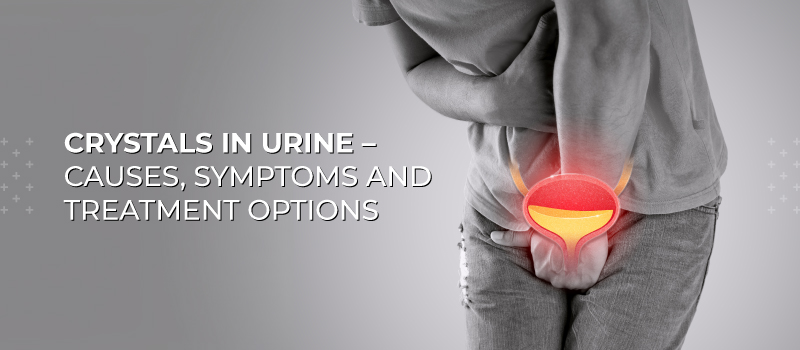
Crystals in urine – causes, symptoms and treatment options

Table Of Contents

  • Causes of Triple-Phosphate Crystals in Urine
  • Crystals in Urine Symptoms
  • Can Urine Crystals be Treated?
  • FAQs

Crystals in urine are very tiny, microscopic particles that can sometimes be found in the urinary tract. They are also commonly known as urinary crystals. These solid particles are deposits of minerals or salts, which form a component of urine. In general, some crystals pose no danger and are considered harmless by experts. They usually pass on their own in time. However, in certain cases, the issue can be quite severe and even be an indication of underlying conditions such as kidney stones. However, kidney stones are not the only condition that can trigger them. A UTI, or urinary tract infection, can also lead to the deposit of triple phosphate crystals in urine.

Causes of Triple-Phosphate Crystals in Urine

There can be a lot of reasons why a person suffers from crystals in their urine. Knowing the root cause behind their development is critical to understanding the right course of action. The following are the main causes of triple phosphate crystals in urine:

  • Inadequate hydration or a lack of enough water in the body results in urine being highly concentrated, which in turn increases the possibility of the formation of urinary crystals.
  • Excess consumption of some kinds of foods, such as those rich in oxalates (spinach, beetroots, and chocolates); high salt intake; and certain kinds of fish like anchovies can lead to the formation of urinary crystals.
  • Genetic tendencies—for instance, a family history of kidney stones—increase the likelihood of people being vulnerable to urinary crystal formation. It creates a predisposition to crystal-formation ailments.
  • Medicines of some types can increase the risk of a person (particularly those with a history) developing crystals in their urine.
  • UTI, or Urinary Tract Infection, plays a role in modifying the composition of the urine, which in turn can increase the likelihood of crystal formation in the urinary tract.
  • Other health issues, such as renal tubular acidosis and many others, can also significantly contribute to the likelihood of a person developing urinary crystals.
  • Metabolic problems like gout or hyperparathyroidism can increase the chances of a person developing urinary crystals.

In addition to knowing the underlying cause of the crystal formation, it is also essential to know the type of urine crystals and which kind you are suffering from, as the treatment for each can vary significantly. For instance, the requirements and treatment procedures for fixing triple phosphate crystals are different from the kind of treatment required to fix xanthine crystals.

Crystals in Urine Symptoms

Since these crystals are usually microscopic, they tend not to display any signs or symptoms of their existence. However, they can show certain symptoms, which should not be taken lightly or ignored. The main crystals in urine symptoms include the following:

  • Blood in urine: If you see blood in urine, it can be a sign of crystals in urine.
  • Pain in the left or right side of the lower back.
  • Difficulty in initiating a urine stream.
  • Frequent urge to urinate repeatedly.
  • Unclear or cloudy urine.
  • Pain or irritation in the pelvic region.
  • Urine that smells bad or emanates odors.
  • Infection-induced fever.

Can Urine Crystals be Treated?

In one word, yes. Crystals in urine can be treated. However, what treatment option is chosen will depend on individual cases, based on the kind of stone or crystal and the overall health of the patient suffering from it. In circumstances where the stone does not seem to be an issue, the doctors would advise letting it pass naturally and asking the patient to consume lots of fluids.

The doctors could also prescribe over-the-counter medications, which can help dissolve the crystals quicker, thereby alleviating the patient’s ailment in a more rapid manner.

However, if the crystal seems to have gotten too big, a physical procedure may be needed to break it down. There are multiple kinds of medical procedures that can be taken by the doctor based on the needs of the patients. Some options include:

  • Shock wave lithotripsy, which breaks down the stones into tiny fragments that can then be passed
  • A ureteroscope, which allows the doctors to precisely locate the stone and break it or remove it. The same can also be achieved through a cystoscopy.
  • Diet modifications to control the excess of minerals that the patient might be consuming too much of or that may be leading to the formation of crystals
  • Percutaneous nephrolithotomy, which allows the doctor to locate and eliminate bigger stones.
  • Nutritional supplements and medications such as diuretics, citric acid, antibacterials, allopurinol, and others might be suggested to help dissolve the stone or prevent the formation of crystals in a patient who might indicate a susceptibility to suffering from such ailments.

Choosing the ideal course of action requires a proper diagnosis by a medical professional. If you experience any of the symptoms listed above, it is critical to visit a doctor at the earliest and get checked. Upon diagnosis and based on the patient’s medical history, the doctor can effectively design a treatment plan.

Urine crystals are not always something to worry about. In fact, a lot of times, they can go unnoticed for the most part. However, if a person is experiencing distressing symptoms, medical intervention is essential and must not be ignored. A timely diagnosis and treatment allow for a safer and less painful resolution of the ailment; as such, patients need to be vigilant at all times.

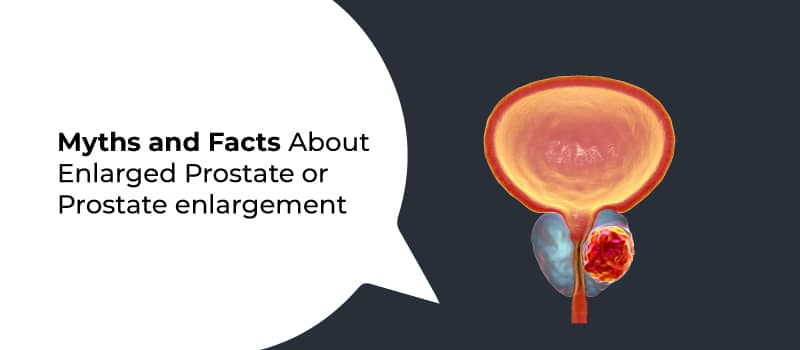
Myths and Facts About Enlarged Prostate or Prostate enlargement

Introduction

The prostate gland is located beneath the bladder and encompasses the urethra. When its size increases, it creates blockage to the flow of urine from the urinary bladder. An enlarged prostate can cause difficulty in passing urine, needing to strain, urine retention, incontinence, and even increase your urge to urinate frequently, especially in the night. According to a survey, BPH affects nearly 50% of men between the ages of 51 and 60, 70% of men aged 60 to 69, and around 80% of men over 70 years of age.

What is an enlarged prostate?

Prostate is an accessory male reproductive organ. The primary function of the prostate is to manufacture fluids that, along with the sperm and fluids from other male reproductive glands, make the semen. It increases in size during puberty as a part of your growth spurt. However, after you turn 50, your prostate gland again increases in size, although its function gradually decreases. Then what is an enlarged prostate? Simply put, it is the increase in the size of the gland due to hormonal changes that your body undergoes as you age. As you grow older, the levels of testosterone drop, and it can affect the size of the prostate.

What are the facts and myths associated with an enlarged prostate?

Several common misconceptions are associated with BPH, and some of these are as follows:

    • Myth: BPH is cancerous

This is a myth, as the name benign prostatic hyperplasia or BPH itself suggests that it is non-cancerous. Although the symptoms of BPH and prostate cancer are similar, in the case of prostate cancer there will be a cancerous growth of the gland. An enlarged prostate does not have any cancerous growth in the gland.

    • Fact: BPH is quite common

BPH can occur as part of the normal progression of age. It starts affecting men over the age of 50. The gland is close to the bladder and urethra, so its size increases pressure on the bladder. As a result, emptying your bladder will become difficult, and you will feel increased frequency and urge.

    • Myth: All BPH requires surgery

This is a common misconception. In the case of BPH, you must consult a renowned urologist. In most cases, the problem is manageable with medicines and lifestyle modifications. Only if the enlarged prostate creates severe medical problems, the doctor will suggest for surgery.

    • Fact: Enlarged prostates can create serious health problems

If left untreated, you will find that an enlarged prostate can lead to serious health issues. It can cause repeated troublesome urinary tract infections (UTIs), bleeding in the urine and stones in bladder. If prostate enlargement is neglected, it can lead to permanent bladder damage and kidney damage. If BPH causes troublesome symptoms, you must consult a urologist to diagnose the problem and get suitable treatment.

What are enlarged prostate symptoms?

If you have the following enlarged prostate symptoms, you must consult with a urologist at the earliest:

  • Increase in the frequency of urination at night
  • Increased daytime urine frequency
  • Urgency and urinary incontinence
  • Burning sensation while passing urine
  • Delayed start of urination
  • Poor stream of urine
  • Sense of incomplete urination
  • Interrupted stream

What causes enlarged prostates?

The actual cause of an enlarged prostate remains unknown. However, some studies show that age is the most common factor in an enlarged prostate. As you grow older, the levels of testosterone drop, but estrogen remains the same. This can result in the enlargement of the prostate. Another study suggests that older men have higher levels of dihydrotestosterone (DHT), which is a hormone that supports prostate growth.

Which foods should I avoid with an enlarged prostate?

Some of the foods to avoid with an enlarged prostate are as follows:

  • Alcohol can increase your urge to urinate.
  • Foods with high sodium content, as this will create an unnecessary burden on the urinary system.
  • You must avoid processed and spicy foods, as these contain chemicals that can create a burning sensation while passing urine.
  • Avoid carbonated drinks, and it can increase the symptoms associated with an enlarged prostate.

What is the best treatment for an enlarged prostate?

The initial treatment for prostate problems will be lifestyle modifications, medications and management of the symptoms. If there is a need for surgical intervention, you might be suggested for an endoscopic procedure for clearance of the blockage. One of the best treatment modality which has been there for several decades is transurethral resection of the prostate (TURP), where the enlarged tissue of the prostate gland is removed with a wire loop. The latest and most advanced surgical intervention for enlarged prostate is Laser surgery (HoLEP) where the safety margins and efficiency is the best.

What is the latest treatment for an enlarged prostate?

The latest treatment for enlarged prostates entails the usage of latest technology of lasers. This laser procedure for prostate also known as HoLEP – Holmium enucleation of prostate, uses the latest technology to maximise the safety and efficiency of the surgical intervention. It is especially advantageous in patients who are having cardiac problems and are on blood thinning medications. It is minimally invasive with minimal blood loss and helps improve urine flow significantly.

Cystectomy (Bladder Removal): Procedure, Risks, and Recover

Table Of Contents

  • Bladder Removal Surgery: What Does It Mean?
  • Life Expectancy After Bladder Removal: How Long Will You Live?
  • Removal of Urinary Bladder: The Procedure
  • The Cystectomy Procedure: How Does It Happen?
  • Psychological and Emotional Considerations
  • Concluding Thoughts
  • FAQs

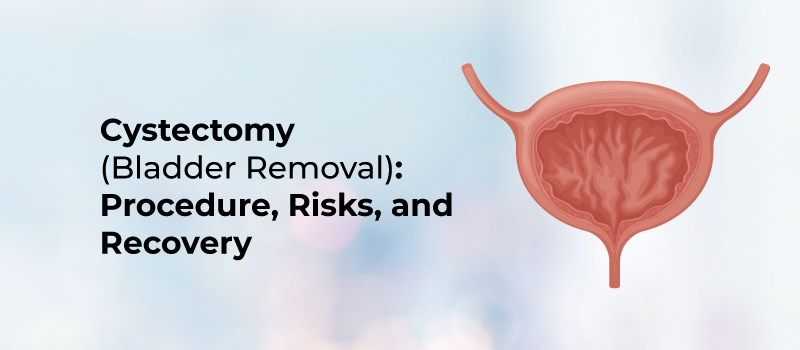
Bladder removal surgery, or cystectomy surgery, is a MAJOR SURGICAL procedure undertaken by an experienced surgeon to treat various conditions. In most cases, it is used to treat bladder cancer. This urinary bladder surgery involves the partial or total removal of the urinary bladder and the surrounding tissues and organs, depending on the complexity of the disease. The procedure, its risks, life expectancy, and the recovery process are important aspects to consider.

As you dive deep into this article, you will explore what the condition is and how much time it takes to recover.

Bladder Removal Surgery: What Does It Mean?

Removal of the urinary bladder is primarily performed as a treatment for bladder cancer. The surgery may be divided into two types: partial cystectomy, where only a portion of the bladder gets removed, and radical cystectomy, where the entire bladder and nearby lymph nodes, or prostate, are removed. The choice of procedure clearly depends on the stage and grade of the cancer. The patient’s health is also considered before proceeding with the major surgery.

Life Expectancy After Bladder Removal: How Long Will You Live?

The life expectancy after bladder removal varies from person to person and is influenced by many factors, including the cancer stage and grade at the time of the removal surgery, the completeness of removal of the tumor, the patient’s current health, and the success of the surgery. For patients suffering from non-metastatic, muscle-invasive bladder cancer, radical cystectomy can seem curative. However, the prognosis decreases if the cancer has spread to different parts of the body. Radiation and chemotherapy might be required, and follow-ups are also recommended.

Removal of Urinary Bladder: The Procedure

The surgical removal of the urinary bladder creates a need for a substitute method for urine to be passed from the body. How else will a human being pass urine when there is no urinary bladder? Many urinary diversion techniques are used, depending on the given case and the patient’s personal preferences. The most common methodologies include creating a urostomy, where urine goes out of the body through a new opening in the abdominal wall into a urostomy bag. In this method, a small part of the small intestine is refashioned as a tube to help drain the urine out. Another more complex method is creating a new bladder with the help of intestines, called a neobladder. The neobladder allows the patient to urinate normally instead of having a bag attached to the body.

Many urinary diversion techniques are used, depending on the given case and the patient’s personal preferences. The most common methodologies include creating a urostomy, where urine goes out of the body through a new opening in the abdominal wall into a urostomy bag. In this method, a small part of the small intestine is refashioned as a tube to help drain the urine out. Another more complex method is creating a new bladder with the help of intestines, called a neobladder. The neobladder allows the patient to urinate normally instead of having a bag attached to the body.

The Cystectomy Procedure: How Does It Happen?

The cystectomy procedure is quite complex and can take several hours to complete, typically involving a team of specialized and experienced surgeons. The procedure starts with the administration of general anesthesia, followed by the surgical removal of the patient’s bladder.

So, in men, the procedure would require the removal of the prostate AND the seminal vesicles. In women, it would be the removal of the ovaries, uterus, and a part of the vagina.

Once the bladder and any other required organs are removed, the surgeons proceed with the urinary diversion. The surgeon will discuss everything with you before proceeding.

What Are The Risks of Cystectomy?

Like many other major surgeries, cystectomy procedures come with potential risks. These might include bleeding, infection, side effects associated with anesthesia, and complications from urinary diversion such as hernia or infection. Long-term health issues may also include urinary incontinence, stone formation in the neobladder, erectile dysfunction, and fertility changes.

Recovery from Cystectomy: How Soon Does It Happen?

Recovery from a cystectomy can be lengthy and challenging, requiring patience and care. Immediately after the cystectomy surgery, patients usually stay in the hospital for about a week to 10 days to ensure initial healing and the management of any immediate postoperative complications. Pain management, wound care, and learning how to manage the new urinary diversion are essential during this time. You start living a new life altogether right after the surgery.

Once the patient is home, recovery still involves lifestyle adjustments. Patients will need to monitor for signs of health complications, attend follow-up appointments, and adjust their diet and activity levels to accommodate their new urinary system. Support from family members, friends, and doctors is crucial during this period.

Psychological and Emotional Considerations

Undergoing bladder removal and adjusting to life afterward can have significant psychological and emotional effects. Patients may experience anxiety, depression, or feelings of grief. Support groups can be beneficial during this time. If you or a family member has undergone the surgery, it’s important to be around them or encourage them to seek help from a psychiatrist or a support group.

Concluding Thoughts

A cystectomy is a major surgical intervention with significant effects on a patient’s life. While it poses several risks and requires an intensive recovery period, it can also be a life-saving procedure for those with severe bladder health issues. It’s important to understand the scope of the procedure and prepare for it accordingly.

Speak to a reputable surgeon about the procedure and make an informed decision. Only an experienced surgeon can perform a cystectomy safely.

Still have questions? Take a quick look at the FAQs to find the answers you’re looking for.

Laser Treatment For Enlarged Prostate

Table Of Contents

  • Introduction
  • What is HoLEP surgery?
  • Holmium Laser Enucleation of the Prostate
  • What is the HoLEP procedure?
  • HoLEP vs. TURP
  • FAQs

Introduction

Benign Prostatic Hyperplasia, or BPH, can make it challenging to lead an everyday life. BPH can increase your frequency of urinating and create a sense of incontinence. Here, Laser Treatment For Enlarged Prostate invasive procedure that removes the excess tissue from the gland, can help with the urine flow. You can expect the feeling of incontinence to be resolved once the surgery is completed.

What is HoLEP surgery?

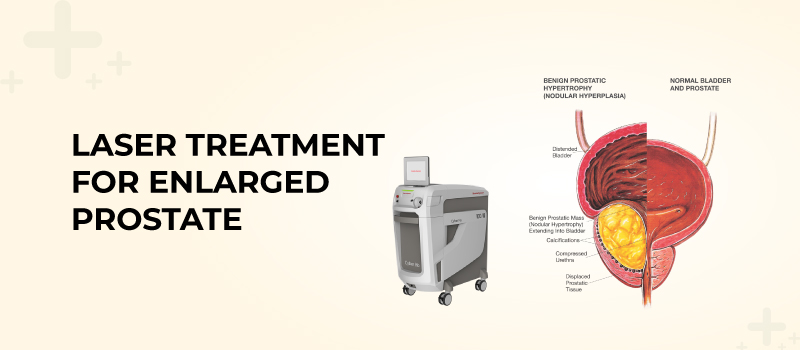
The first thing you must know about HoLEP surgery is that it uses a laser to remove excess tissue from the prostate. As it is minimally invasive, there is hardly any downtime post-operation. The urologist uses the Holmium laser to remove excess tissue that blocks urine flow through the urethra.

Holmium Laser Enucleation of the Prostate

Holmium Laser Enucleation of the Prostate (HoLEP) is not very painful. You will need an anaesthetic for the surgery, but the effects of the anaesthesia will wear off a few hours after the procedure. The surgery can remove the entire portion, blocking the urine flow. It requires no incisions and is more effective than the traditional surgical treatment method.

What is the HoLEP procedure?

The HoLEP procedure consists of several steps that begin with IV anaesthesia so that you are asleep during the surgery. Once the anaesthesia takes effect, the doctor will perform the following procedure:

  • A resectoscope will be inserted into your urethra through your penis. The resectoscope has a camera, which allows the surgeon to see the prostate.
  • The laser will be inserted through the resectoscope to break the excess tissue blocking the urine flow.
  • The surgeon will push the excess tissue into the bladder.
  • He will now replace the resectoscope with a morcellator to suck the excess tissue from the bladder.
  • After the process, a catheter will be placed to drain your bladder.

HoLEP vs. TURP

HoLEP stands for holmium laser enucleation of the prostate, while TURP stands for transurethral resection of the prostate. Compared to TURP, there is less blood loss during the HoLEP procedure. Moreover, HoLEP can be performed even when you are on blood thinners, which is essential if you are a cardiac patient. A TURP cannot be performed if you are on blood thinners.

Finally, HoLEP is suitable for prostates of all sizes, whereas TURP removes excess tissue using electrocautery or sharp dissection, making it suitable only for very large prostates. Thus, if the hospital has a support system and the latest technology, surgeons often prefer HoLEP to TURP.

What is the cost of the HoLEP procedure?

The cost of the HoLEP procedure will depend on the hospital and your health conditions. If you have comorbidities and pre-existing medical conditions, the cost of the surgery will increase. However, on average, the surgery cost can range from ₹ 100,000 to ₹150000.

What should I expect after HoLEP surgery?

Some of the things that you can expect after HoLEP surgery are as follows:

  • Once the catheter is removed, you can go home, but you might notice blood in your urine. Do not get alarmed, as there might be some blood in your urine for several weeks after the operation.
  • Initially, passing urine will be painful, and you might have a burning sensation. The doctor will prescribe some painkillers that you must take to reduce the pain.
  • The frequency of passing urine will increase after the operation. A few weeks after the operation, this will normalize.
  • The urgency to urinate will also increase after the procedure. This will also stabilize a few weeks after the operation.

How long does it take to heal after HoLEP surgery?

It takes about six weeks to three months to completely heal from the surgery. The recovery timeline is as follows:

  • You can leave the hospital in a day.
  • You must avoid heavy lifting or physically strenuous activity during the first week.
  • You can go back to work after two weeks.
  • For two weeks, avoid any straddle activities such as riding a bicycle, lawnmowing, or driving a motorcycle.

After a month, you can resume your everyday life, but discuss with your doctor whether you can start your normal activities.

Conclusion

If BPH prevents you from living normally and compromises your quality of life, you must make an appointment with the top urologists at the Asian Institute of Nephrology and Urology (AINU). Our daycare facilities and state-of-the-art medical facilities will ensure that your prostate problem is resolved and that you can resume your everyday lifestyle. So, make sure to avoid BPH becoming a hurdle; contact us today.

Understanding Benign Prostatic Hyperplasia (BPH): What is it? Causes, Symptoms, and Treatments

Table Of Contents

  • What is BPH?
  • The Causes of BPH
  • The Symptoms of BPH
  • The Treatments for BPH
  • Watchful Waiting:
  • Lifestyle Modifications:
  • Medications:

As you grow older, a few changes occur in your body that are completely out of one’s control. One of the changes includes the prostate growing in size, which happens to men after they cross the age of 50. It can lead to a condition known as Benign Prostatic Hyperplasia (BPH), which often results in various urinary issues.

This condition can lead to poor quality of life due to an enlarged prostate and is a natural part of ageing in men. It is important to understand what BPH is, its causes, common symptoms, and the various treatment options available to manage the condition.

You can read this article to understand BPS and its causes, symptoms, and treatments.

What is BPH?

BPH, also known as BenignProstatic Hyperplasia , usually affects men over the age of 50. It is a non-threatening disease that occurs with the progression of age. BPH results in many problems, such as increased frequency and urgency of urination, incontinence, and so on.

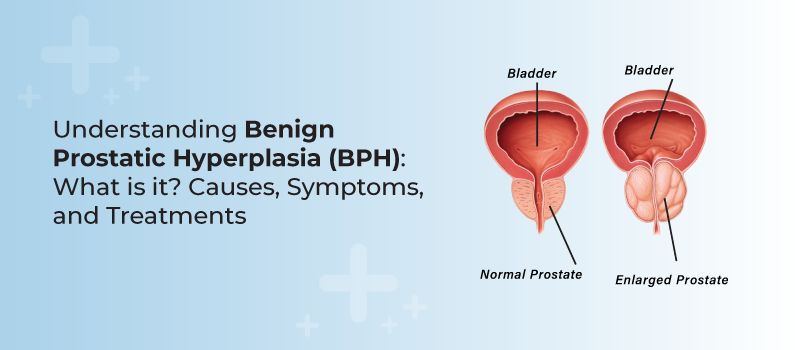
It is a condition that involves an enlarged prostate, which is a gland located below the bladder. It is the size of a walnut and surrounds a part of the urethra, a tube that carries urine outside the body. As the prostate grows, it makes it difficult for the urethra to pass urine. Around 50% of men by the age of 60 and 90% by the age of 80 will have developed signs and symptoms of BPH.

The Causes of BPH

The answer to what is the main cause of prostate enlargement remains unknown. Several factors play a role in causing BPH in adult males, such as age, family history, diabetes, obesity, type 2 diabetes, genetics, lifestyle choices, etc. Other factors, including hormonal changes like testosterone and the dihydrotestosterone hormone levels, lead to increased growth of the prostate gland.

The Symptoms of BPH

The common benign prostatic hyperplasia symptoms include –

  • Frequent need to urinate
  • Sudden urge to urinate
  • Urinating frequently several times at night
  • Leaking or incontinence
  • Weak urine stream or it starts and stops
  • Dribbling at the end of urination
  • Difficulty getting started while urinating
  • Inability to completely empty the bladder
  • Experiencing pain while urinating

The Treatments for BPH

BPH treatment options include lifestyle modifications, medical management with oral medications to control symptoms, or surgical intervention. Treatment is recommended by a urologist based on the severity of the symptoms, the level of damage to the urinary tract, and the overall health.

The initial treatments are lifestyle modifications and medications to manage the symptoms of BPH. Surgery is not required for those with few symptoms and is a solution if the enlarged prostates lead to health issues.

Watchful Waiting:

Watchful waiting is a recommended approach when the symptoms of BPH are mild and minimal and don’t bother you too much. It involves visits to the doctor to review the changes and progress of the symptoms with a few simple tests.

Lifestyle Modifications:

Lifestyle modifications include healthy habits such as following a proper diet and exercising. It is recommended to consume a healthy diet, exercise regularly to strengthen pelvic floor muscles, maintain a healthy weight, limit caffeine and alcohol, drink less fluids in the evenings, and so on.

Medications:

The medications to treat BPH include two kinds of drugs: 5-alpha reductase inhibitors and alpha-adrenergic blockers. The two 5-alpha reductase inhibitors, Finasteride and Dutasteride, help shrink the size of the prostate gland. The alpha-blockers like Tamsulosin, Silodosin and Alfuzosin relax the muscles in the prostate and bladder neck region to improve the flow of urine.

Some surgeries and minimally invasive procedures to treat enlarged prostate and relieve symptoms of BPH include –

Surgery and Minimally Invasive Procedures:

While the initial treatment plan will include lifestyle modifications and medications, surgery is recommended in some cases. Surgery is done in patients with severe symptoms and patients in urinary retention, recurrent urinary tract infection, kidney failure, bladder stones, etc.

Some surgeries and minimally invasive procedures to treat enlarged prostate and relieve symptoms of BPH include –

  • Transurethral resection of the prostate – TURP
  • Laser therapy: Holmium laser enucleation of the prostate – HoLEP, Thulium fibre laser enucleation of prostate – ThuFLEP
  • Transurethral incision of the prostate – TUIP
  • Prostatic urethral lift
  • Rezūm therapy

At the Asian Institute of Nephrology and Urology (AINU), our highly capable team of urologists provides consultations and treatments for various urology ailments. Based on the BPH severity, we assess the symptoms and recommend what is the best treatment for an enlarged prostate to achieve the desired results.

The Need for Treatments to Manage BPH

It is necessary to receive treatment for the enlarged prostates to ensure the symptoms don’t worsen and lead to other serious health concerns. When the enlarged prostate is left untreated, it can cause urinary tract infections, bladder stones, bleeding, damage to the kidney and bladder, etc.

The diagnosis is done through physical tests involving a digital rectal exam, ultrasounds, and blood tests. The main treatments recommended to treat an enlarged prostate depend on the severity of the symptoms, age, overall health, and the size of the prostate.

If you have any of the symptoms of BPH, you can book an appointment with one of our top urologists at the Asian Institute of Nephrology and Urology (AINU). We can help you relieve the symptoms of the ailment with a tailored approach and provide world-class treatment.

Conclusion

BPH is a disease that causes discomfort to men in their everyday lives, leading to numerous difficulties in urination due to the enlarged prostate. BPH treatments can significantly improve the quality of life in men.

If you experience any BPH symptoms, it is recommended that you visit a doctor soon. Understanding the disease, symptoms, causes, and treatment approaches can be useful for managing BPH with professional help.

The Importance of Regular Urological Checkups for Men Over 50

Table Of Contents

  • Why Are Urological Checkups Important?
  • Symptoms of Prostate Issues
  • What To Expect During The Regular Checkup Session
  • Maintaining Optimal Urological Health Over 50
  • Getting Checked at AINU Hospital
  • Conclusion

As men age, their bodies undergo a lot of changes that impact their overall health. One of the most overlooked yet highly impacted areas of health is urological health, which plays a pivotal role in maintaining optimal reproductive as well as urological health. Not giving it ample importance, men usually overlook the signs of problems, which, if ignored for too long, become a major challenge. As such, regular prostate health checkups from a prominent and reliable urological health specialist are essential. But why is it so important for all men over the age of 50? Let’s discover.

Why Are Urological Checkups Important?

For men, the age of 50 marks a major milestone and a turning point from the perspective of health. After crossing this threshold, regular health checkups become an indispensable part of life. Extending this to regular urological checks is critical to prevent a number of problems that start occurring more commonly after this age. Here are the reasons that highlight the importance of urological checkups for men over 50:

  • Recognizing Early Signs Of Prostate Issues: Common prostate issues such as prostate cancer and benign prostatic hyperplasia (BPH) do not show any early developmental signs unless they are assessed. However, they can lead to severe complexities if left unchecked. A regular urological examination can help identify these issues well in time, which allows timely intervention.
  • Keeping Kidney Issues At Bay: Kidney issues and bladder function problems are also common urology problems in older men, which can be identified through proper routine checkups. Urinary tract infections, kidney and bladder stones, as well as other types of renal diseases, become a common occurrence after 50 years of age, which makes regular checkups essential to identify the problems and get proper treatment in time.
  • Erectile Dysfunction Management: As men age, they can develop issues like erectile dysfunction, which needs to be managed properly. This happens because of hormonal changes post 50 years of age, which can lead to lower production of testosterone and decreasing libido. Addressing this challenge and seeking professional help can streamline management of this issue effectively.
  • Incontinence: Bladder problems in men over 50, such as the inability to control urine, also known as incontinence, become severe with increasing age. Managing these issues is essential to lead normal lives without the constant need to go to the washroom or get stuck in an embarrassing situation. This requires a professional diagnosis and treatment plan to effectively manage the condition.

Symptoms of Prostate Issues

As men age, keeping an eye on the common signs of prostate issues is essential to ensure timely intervention and optimal care for effective treatment and/or management of the condition. Here are some key signs to look out for:

  • A frequent, uncontrollable, and urgent need for urination.
  • Pain or discomfort while urinating, or a burning sensation.
  • Presence of blood or semen in urine (a sign of severe infection or cancer)
  • Experiencing erectile dysfunction (the inability to get or maintain an erection)
  • Intense pain in the pelvic or lower back region.
  • Weak urine stream and the constant feeling that the bladder has not emptied.

What To Expect During The Regular Checkup Session

During a regular urological checkup session, a person can expect the doctor to conduct multiple tests and inquire about their medical history (first session), which will help direct them towards specific issues to look for.

At the beginning of the session, the specialist would consult to understand your entire medical history, including that of your family, to identify any potential for issues like cancer. They will also discuss any symptoms of unusual urological health that you may have been experiencing, as well as sexual health history and regular lifestyle habits and choices. Even though this can feel uncomfortable, it is essential to answer all questions transparently to get the benefits of the checkup.

After consultation, the experts may ask for physical tests such as digital rectal examination, urine test, blood test, MRIs, CT scans, ultrasounds, and uroflowmetry tests to assess different aspects of urological health. The direct rectal examination is performed to check the prostate, its size, shape, texture, and other details. The urine tests are done to analyse potential diabetes and kidney-related troubles. A prostate-specific antigen test may also be recommended to check for signs of prostate cancer, especially among patients that have a history in their families.

Maintaining Optimal Urological Health Over 50

Urological health requires careful maintenance over the age of 50 because bladder and pelvic muscles start getting weak due to aging. Moreover, issues like nerve damage also start creating issues. So, to manage these conditions and prevent them from creating big issues, men need to take care of their health by following these practices:

  • Maintaining optimal hydration in the body
  • Restricting the consumption of liquor and excessive caffeine
  • Watching weight and maintaining healthy diets.
  • Practices pelvic exercises to enhance bladder strength
  • Not holding urine for too long, as it can weaken bladder muscles.

Getting Checked at AINU Hospital

Thinking about getting your urological health checked by seasoned experts? Then visit us at AINU hospital, the best urology hospital in India for prostate care. Our team of empathic and experienced urology experts is here to take care of your health in a safe and hygienic environment. Leveraging advanced techniques and technologies, we strive to deliver a transparent, seamless, end-to-end, and discomfort-free experience to all our patients. Whether you are getting treated for a serious ailment or simply coming in for a regular checkup to stay on top of things, we handle all concerns with the utmost care and attention.

Conclusion

Thinking about getting your urological health checked by seasoned experts? Then visit us at AINU hospital, the best urology hospital in India for prostate care. Our team of empathic and experienced urology experts is here to take care of your health in a safe and hygienic environment. Leveraging advanced techniques and technologies, we strive to deliver a transparent, seamless, end-to-end, and discomfort-free experience to all our patients. Whether you are getting treated for a serious ailment or simply coming in for a regular checkup to stay on top of things, we handle all concerns with the utmost care and attention.

Book an Appointment