Radical Nephrectomy: Definition, Tests, and Recovery

Table Of Contents

  • Understanding Nephrectomy
  • Radical Nephrectomy Procedure
  • What Is Left Radical Nephrectomy?
  • What Tests To Do Before Radical Nephrectomy?
  • Recovery from Radical Nephrectomy: How Hard Is It?
  • FAQs

When your health deteriorates, you lose interest in all your surroundings. Some health conditions are serious and require medical intervention. What happens if it’s a vital organ? Let’s tell you something about radical nephrectomy here.

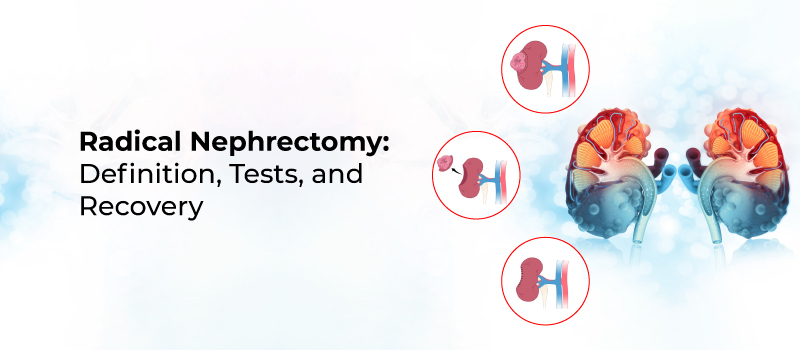
The radical nephrectomy procedure is a major surgical procedure primarily used for treating kidney cancer. This procedure entails the removal of the entire kidney, along with the adjacent fat, lymphnodes and adrenal gland, to effectively manage or get rid of the disease.

Understanding the different types, procedures, and post-operative care associated with radical nephrectomy procedures is important for patients facing this kind of operation. In this in-depth article, we will explore what nephrectomy is, the differences between left and right radical nephrectomies, required pre-surgical assessments, and the recovery process to help patients as well as their families prepare for what to expect later on.


Understanding Nephrectomy

A nephrectomy is a surgical procedure to remove all or some part of a kidney. It can be performed for kidney cancer. When the whole kidney, along with part of the bladder, the ureters, and surrounding lymph nodes, are removed by the surgeon, the procedure is called radical nephroureterectomy.

We are sure your mind is thinking the following: What is nephrectomy? If your kidney is not functioning properly or you have kidney cancer, this procedure becomes an option. You can speak to the surgeon about whether you are a suitable candidate for the procedure.

Radical Nephrectomy Procedure

Radical nephrectomy can be conducted through different kinds of approaches, depending on the size as well as the location of the tumour, and, of course, the patient’s overall health. The two primary methods are the following:

  • Open Nephrectomy: In this traditional form of surgery, the surgeon makes a large incision in the abdomen or the side of the body, allowing access to the kidney to remove it along with other parts if needed.
  • Laparoscopic or Robotic-Assisted Nephrectomy:The world is getting advanced. This type of procedure is a minimally invasive approach where the surgeon makes many tiny incisions and uses special instruments and a camera to guide the procedure. Recovery time will be shorter, and there will be less bleeding too. Robotic assistance boosts precision, flexibility, and control during the surgery.

What Is Left Radical Nephrectomy?

left radical nephrectomy involves the removal of the left kidney along with some of the surrounding structures. This surgery may be required if there’s a large tumour in the left kidney of the patient or other major issues affecting its function. The surgery’s complexity may depend on the size of the tumour. You can speak to the surgeon to see if you are suitable for the left radical nephrectomy.

What Is Right Radical Nephrectomy?

This one is similar to the left side. A right radical nephrectomy involves the removal of the right kidney. This particular approach and risks are comparable to those of the left one, but special attention is required for the liver, duodenum and vena cava, which are very close to the right kidney.

The right radical nephrectomy can get complicated, so make sure you have an experienced surgeon by your side.

What Tests To Do Before Radical Nephrectomy?

Before a radical nephrectomy procedure, many tests are essential to ensure the patient’s overall health and to prepare for the big surgery:

  • Get Imaging Tests: These might include ultrasound, CT scans, and MRI to provide comprehensive images of the kidney and all the surrounding structures.
  • Get Blood Tests: Elaborate tests to check kidney function and the overall health of the patient.
  • Get Cardiopulmonary Tests: To ensure the heart and lungs can go through the surgery. Not everyone can get this procedure done.
  • Get Biopsy: Occasionally, a biopsy is performed to figure out the nature of the kidney mass.

Recovery from Radical Nephrectomy: How Hard Is It?

Recovery varies depending on the type of surgery performed. For open nephrectomy, recovery can be much more prolonged as well as painful, with a longer stay at the hospital.

Patients might need a few weeks to recover fully. On the other hand, laparoscopic or robotic-assisted procedures may allow for shorter and quicker hospital stays and speedy recovery times. Pain management, wound care, and a gradual increase in physical activity are essential parts of the healing journey. But make sure you ask the surgeon about the post-operative healing time and what you need to do.

Post-Surgical Care: What Should You Do?

Post-surgery, patients will need regular follow-ups to monitor their kidney function and overall health. Lifestyle adjustments and possibly medication may be required to help the remaining kidney compensate for the loss of the other.

Summing Up

Radical nephrectomy is a major surgical procedure that can be life-saving for many patients with kidney cancers. While it involves a long recovery time and careful post-operative care as well, advancements in surgical techniques have improved outcomes and reduced the recovery timeline.

Still got queries? Don’t go anywhere; we have answered a few of your questions.
9 Easy Ways to Prevent Kidney Stones

Table Of Contents

  • Stay Hydrated
  • Limit Sodium Intake
  • Consume Dietary Calcium
  • Reduce Food with High Oxalate
  • Avoid Added Sugars
  • Eat Less Animal Protein
  • Consume a Healthy Diet
  • Consult with your Doctor

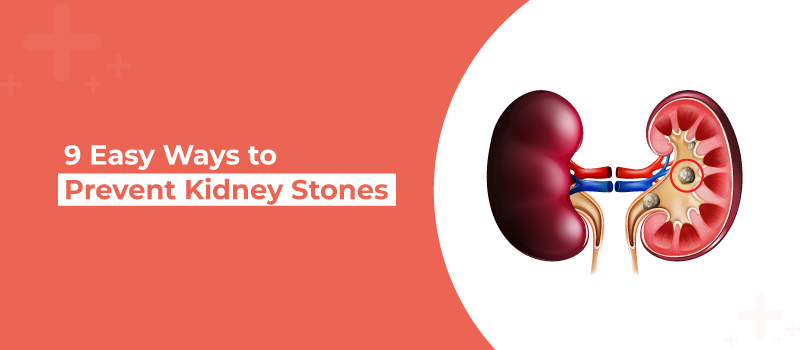
Kidney stones, also known as renal calculi, are a common kidney problem that affects many men and women. These stones are a result of mineral and salt deposits that crystallize in the kidneys, making them solid and difficult to pass through the urinary tract. It can lead to serious health issues, infection, kidney failure, and damage, affecting the quality of life.

It is important for you to know how to prevent kidney stones with preventive measures, including changing your diet and lifestyle. They can reduce your chances of developing kidney stones or preventing them from occurring again.

You can read this article to learn about easy ways to prevent kidney stones.

The 9 Easy Ways to Prevent Kidney Stones

The following are a few easy ways to prevent kidney stones —

Stay Hydrated

One of the efficient ways to prevent kidney stones is by drinking plenty of water to stay hydrated, along with fluids such as buttermilk, orange juice, lemonade, etc. It is recommended you drink around eight glasses or 3 litres of fluids every day to stay well-hydrated. This can make you urinate more to dissolve urine salts. An indicator of hydration levels is the colour and output of your urine. Clear, pale yellow, and plentiful urine indicates that you are adequately hydrated. Concentrated and dark urine in small amounts indicates the need to drink more water, as a lack of fluid intake leads to the formation of kidney stones.

Limit Sodium Intake

Sodium or salt is a culprit that causes kidney stones. It retains water and causes dehydration, one of the causes of the formation of these stones. It is necessary to limit the intake of sodium-rich foods to prevent kidney stones. The American Heart Association recommends that adults should consume no more than 2,300 milligrams per day, which is around a teaspoon of salt. Foods with high salt content you need to stay away from include processed food, fast food, condiments, canned vegetables and soup, pickles, and so on. It is necessary to read the labels carefully to reduce food that contains items with sodium, such as monosodium glutamate, sodium bicarbonate, baking soda, baking powder, etc.

Consume Dietary Calcium

One of the common types of kidney stones is calcium stones, caused by high levels of calcium and oxalate in the urine. Many assume that calcium is the sole reason for the formation of these calcium-oxalate stones, which makes them limit the consumption of calcium in their diets. Calcium oxalate is a common aspect of kidney stones. However, a diet with low calcium increases the chances of developing stones and leads to other health issues. You can consume a diet with adequate calcium intake and food options such as milk, cheese, yoghurt, and tofu.

Reduce Food with High Oxalate

One kind of food to avoid during kidney stone is oxalate-rich food. The oxalate bonds with the calcium in the urine and leads to the development of calcium oxalate stones. Limiting the consumption of foods high in oxalate can reduce the chances of kidney stones forming. Some oxalate-rich foods you need to limit are spinach, chocolate, coffee, nuts, tea, berries, beetroot, peanuts, sweet potatoes, wheat bran, rhubarb, soy products, etc. Eating calcium along with oxalate-rich food can make it difficult for kidney stones to form, as these two compounds bind together in the digestive tract before reaching the kidneys.

Avoid High Doses of Vitamin C Supplements

Avoid high doses of vitamin C supplements, especially if you have a history of calcium oxalate stones. While Vitamin C is a vital nutrient for the body, it can increase the risk of kidney stones when consumed in high doses, around 1000 mg or more every day. This can increase oxalate production in your body and lead to calcium oxalate stones. The recommended doses are 75 mg for adult women and 90 mg for men. You can consume Vitamin C from food, which is considered safer than supplements, as it does not carry the same risk of increasing the chances of kidney stones.

Avoid Added Sugars

Avoid added sugars found in processed food, sugary drinks, and juices. The consumption of added sugar is a risk factor with negative impacts on health. It can lead to the development of kidney stones, as it makes the body produce less urine volume and increases calcium in the urine. The recommended added sugar consumption per day is six teaspoons for women and nine teaspoons for men. You can check the labels of food products to know how much sugar is added while making an effort to switch to alternatives for food that contain less sugar.

Eat Less Animal Protein

Eat less animal protein, such as eggs, poultry, fish, beef, chicken, and pork. Consuming too much animal protein leads to an increase in uric acid levels, oxalate, and calcium in your urine. The build-up of uric acid in the urine will settle and lead to kidney stones. While some form of protein is required every day, you can include other alternatives and reduce the consumption of animal protein. You can opt for other sources of protein, such as legumes, beans, lentils, etc., which are plant-based and low in oxalate.

Consume a Healthy Diet

A healthy diet with increased intake of fruits and vegetables can help reduce the risk of kidney stone formation. Along with the diet, limiting processed food, fast food, added sugars, sodium, and other healthy food habits can result in effective prevention. Our experienced team of doctors at the Asian Institute of Nephrology and Urology (AINU) provides dietary counselling and nutrition planning to reduce the risk of kidney stones, especially from recurring after the initial stone is removed. A proper diet is one of the preventive measures we recommend, encouraging you to make healthy adjustments.

Consult with your Doctor

If you are currently on prescribed medications, it is important to consult with your doctor to discuss alternative options and whether they can be continued. Some over-the-counter medications can increase the risk of and cause kidney stones. Your doctor can prescribe the required medications based on your symptoms for effective pain management. At the Asian Institute of Nephrology and Urology (AINU), our skilled doctors provide consultations to discuss the best treatment options for your specific case and kidney stone precautions. AINU’s Stone Treatment Center focuses on prevention and surgical treatments to remove these stones and reduce the chances of them occurring again.

Conclusion

If you want to know how to avoid kidney stones, following these 9 ways is the best place to start. The extent of prevention isn’t guaranteed, but these methods can significantly reduce the risk of kidney stones in men and women. Making changes to your diet is one of the easiest ways to prevent the development of kidney stones. These changes can positively impact your health when combined with other diet and prevention measures.

Understanding Partial Nephrectomy: Procedure, Types, and Recovery

Table Of Contents

  • What Is the Purpose of Partial Nephrectomy?
  • Types of Partial Nephrectomy
  • Partial Nephrectomy Procedure: Understanding The Steps
  • Recovery from Partial Nephrectomy: How Soon Can It Happen?
  • Complications of a Partial Nephrectomy
  • FAQs

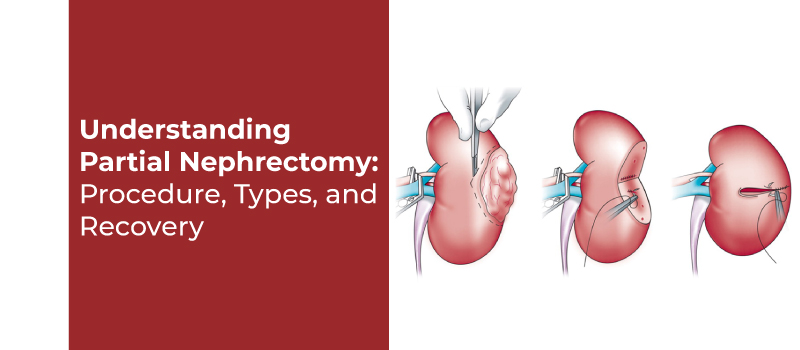
partial nephrectomy is a surgical procedure performed for the removal of a part of the kidney affected by tumours or disease while also safeguarding as much healthy kidney tissue as possible.

Are you thinking of getting the nephrectomy procedure done? Don’t rush into it. Understand the procedure, and then ensure you have the best surgeon by your side.

Since you are here, allow us to share what the procedure is, what types there are, and the recovery time.


What Is the Purpose of Partial Nephrectomy?

Partial nephrectomy is recommended when there is a small tumour or localised disease in the patient’s kidney. The goal of the partial nephrectomy procedure is to remove the diseased tissue while preserving the maximum amount of healthy kidney tissue to maintain optimal kidney function. By preserving healthy tissue, partial nephrectomy helps to reduce the potential risk of long-term kidney damage and the requirement for dialysis.

Types of Partial Nephrectomy

There are two types of nephrectomy (partial):

Type 1: Open Partial Nephrectomy

This is a traditional approach that involves making a large incision in the abdomen to give access to the patient’s kidney. It gives the surgeon direct visualisation of the patient’s kidney and all the surrounding structures, allowing precise tumour removal as well as tissue preservation.

Type 2: Laparoscopic / Robotic assisted Partial Nephrectomy

Lately, robotic partial nephrectomy has become quite popular for the procedure. This minimally invasive procedure utilises robotic arms controlled by the experienced surgeon through small incisions in the patient’s abdomen. Robotic surgery offers a lot of precision, better visualisation, and shorter recovery times as compared to open surgery. (to include about laparoscopic partial nephrectomy)

So, which one would you pick out of these two? That comes later. First, understand the partial nephrectomy procedure.

Partial Nephrectomy Procedure: Understanding The Steps

The partial nephrectomy procedure typically involves different steps:

  • Anaesthesia: Before a partial nephrectomy, the patient is placed under general anaesthesia to ensure they are unconscious and do not suffer from any pain.
  • Incision: Depending on the type of surgery (robotic or open), the experienced surgeon makes either a large incision in the patient’s abdomen (open surgery) or various small incisions (robotic surgery) to gain access to the kidney. The size of the nephrectomy incision will depend on the type you are choosing.
  • Tumour Removal: Once the kidney has been exposed, the experienced surgeon carefully identifies and then removes the diseased portion of the kidney, known as the tumour. They will try to preserve the healthy part as much as possible.
  • Closure: After removing the tumour, the surgeon carefully closes the remaining kidney tissue with the help of sutures or other closure techniques for the kidney operation stitches. This aids in further healing.

Recovery from Partial Nephrectomy: How Soon Can It Happen?

The recovery process after a partial nephrectomy requires the following steps:

  • Staying in the Hospital: After surgery, patients will have to stay in the hospital for a few days for general monitoring of pain and discomfort. During this time, the doctors and nurses closely monitor vital signs, manage excruciating pain, and assess the overall kidney function.
  • Pain Management Is The Key: Pain medication might be prescribed to help manage discomfort during the recovery period. This is a must after most surgical procedures.
  • Activity Restrictions Might Be There: Patients are advised to avoid any kind of strenuous activity and heavy lifting for many weeks following surgery. Walking is a good form of activity as it is not very intensive.
  • Follow-up Care Will Be Needed: Regular follow-up appointments with the surgeon are a must to monitor recovery progress, assess kidney function, and take care of any concerns or complications that may arise. A CT scan or ultrasound might be required.

Complications of a Partial Nephrectomy

While partial nephrectomy is usually considered safe and effective, like any surgical procedure, it carries some level of risk or complications. Take a look at the nephrectomy complications:

  • Bleeding: Excessive bleeding during or right after the surgery is a rare but serious complication that may require an additional blood transfusion.
  • Infection: Signs of infection might include fever, redness, inflammation, or drainage at the site of the incision.
  • Decreased Kidney Function: Despite all the efforts to preserve kidney tissue, there might be a decrease in kidney function following partial nephrectomy.
  • Urinary Leakage: In some of the cases, urine might leak from the surgical site, leading to different kinds of concerns, such as infection or delayed healing. Medical attention may be required in this case.

Summing Up

A partial nephrectomy aims to remove diseased kidney tissue while also safeguarding as much healthy tissue as possible. There have been advancements in surgical techniques, which is why they are becoming even more safe and effective.

By understanding the partial nephrectomy procedure, the associated Nephrectomy complications, and the recovery process, patients can make wise decisions about their healthcare and achieve desirable results.

The Growing Concern of Kidney Disease Linked to Gym Supplements

Table Of Contents

  • Introduction
  • The Lethal Effects of Gym Supplements on Kidneys
  • Real-Life Examples You Should Know Of
  • The Importance of Having a Healthy Diet
  • Concluding Thoughts
  • FAQs

Introduction

Have you been taking gym supplements to get your dream body? Perhaps you are seeing others take it and are now hooked on the idea.

There’s no doubt that gym supplements are getting very popular.

Health and fitness enthusiasts consistently incorporate dietary supplements into their routines. The manufacturers and sellers market these products like they enhance athletic performance and improve the health of the consumer.

However, the growing concern of kidney disease linked to gym supplements is real. There is an increased risk that individuals may get kidney disease if they overuse gym supplements.

Now that you are here, let us share why supplements are bad for kidneys. Consider reading this post till the end.

The Lethal Effects of Gym Supplements on Kidneys

When you consume gym supplements too often, there is a chance your kidneys will be affected.

  • Creatine and Caffeine: Creatine and caffeine are the most common ingredients in supplements. Does creatine cause kidney problems? There are many people who ask this question. They give the user endurance and allow them to do high-intensity workouts. But anything in excess is bad for you. If you take these gym supplements too many times, your heart rate will go up. Your blood pressure will rise and cause major problems for you. All of this is avoidable. The effects of creatine on kidneys can be detrimental.
  • Steroids: You might have heard about steroids. Steroids like testosterone and dexona are consumed just to enhance overall performance. But these have harmful effects on the human kidney. The most lethal effect is that it could damage your kidneys beyond repair.
  • Cough Syrup and Alcohol Overconsumption: Many people like the effect of cough syrup. They think it relaxes them, but in the long run, it can cause major damage as well. Alcohol does no good to your body, and it damages your kidneys. You should limit your intake of alcohol or give up on it forever.
  • Diuretics: There are many young people who use diuretics to get rid of puffiness after the overuse of steroids. But if you use these many times, your kidneys will get damaged. Consider not using them at all. And, if you are using them, limit the intake.

Real-Life Examples You Should Know Of

Don’t just take our word for it. Check out some real examples we have to share, and make sure to take them seriously.

  • First: This is the example of a 19-year-old living in South Delhi. The teenager had a seizure. Then their kidneys failed. Moral: It doesn’t matter how young or old you are. Your kidneys can get damaged.
  • Second: A 28-year-old owner of a gym witnessed a spike in his blood creatinine level. He could see protein leakage in the urine. The urine will also appear foamy. All this could mean that his kidneys got stressed.
  • Third: A 17-year-old experienced sudden weight gain, and they saw frothy urine too. They got kidney stones, and the creatinine levels went up.
  • Fourth: A 19-year-old medical student had an elevated creatinine level due to extreme dietary restrictions and an overdose of supplements.

What’s similar about all these examples? All of them overused gym supplements. Everyone wants to lead a healthy life. It’s best to stay on a safer path.

The Importance of Having a Healthy Diet

It’s important to eat a healthy meal each day. You have to ensure your kidney health is on point. Did you know WHO recommends 1 mg/kg/day of protein each day? However, anything more than that could cause dehydration and injury to the kidneys. Protein might start leaking, and you will start feeling dizzy.

Do not stop eating healthy, whole foods. Don’t take too many gym supplements.

  • Hydration is the KeyDrinking plenty of water is essential. It is meant to keep your kidneys healthy. When your body does not have as much water, the waste products in the blood also increase. This will cause kidney damage.

    You must drink lots of water. Low fluid intake will cause your urine to be a lot more concentrated. It will also lead to kidney stones in the long run. Kidney stones are painful and sometimes need to be removed surgically. Consume enough water to keep your kidneys healthy and fine.

  • Understand When to StopGym supplements can be tempting for fitness enthusiasts. You have been seeing influencers and athletes take them, but there is a limit to everything. Sure, you want to improve your athletic performance, but that should not mean ruining your health.

    Young adults are experiencing kidney damage simply because they are overusing gym supplements. These supplements contain cough syrups, creatine, caffeine, steroids, and alcohol. Some of them have nicotine as well.

Protein powder and kidney problems have a history! You must speak to your nutritionist and physician to know how much is enough for your body.

Concluding Thoughts

There is a risk of kidney damage if you overuse any of these. You should eat healthy food and follow a fit and fine lifestyle. Don’t depend on supplements. It’s best to take care of your kidneys by staying hydrated and eating healthy meals.

An Essential Guide to Low-Sodium Foods for Kidney Health

Table Of Contents

  • How Much Sodium is Safe for a Kidney Patient?
  • Low-Sodium Diet for Kidney Patients
  • How to Choose Low-Sodium Foods
  • What does salt do in my body?
  • What happens when the kidneys slow down?
  • FAQs

Your body absorbs nutrients from the food you eat. Excess nutrients are transferred to your kidneys through your blood, which are then filtered and expelled from your body through urine. Sodium is one such mineral that your body needs to maintain electrolyte balance. However, excess sodium consumption is linked to an increased risk of cardiovascular diseases, high blood pressure, and chronic kidney failure.

Tracking your table salt intake, especially if you are a kidney patient or have a history of kidney disease, is crucial to keeping your kidneys healthy. This post is your comprehensive guide to low-sodium foods for the kidney diet. We’ve mentioned the best dietary choices for kidney patients. Keep reading.

How Much Sodium is Safe for a Kidney Patient?

According to the World Health Organization (WHO) and KDOQI (Kidney Disease outcome quality initiative) the average sodium intake for a healthy person should be around 2000 mg/day (a little less than one teaspoon of table salt). However, almost everyone consumes double the recommended dose.

Increased sodium intake, particularly in people with CKD or other illnesses that affect kidney health, can cause kidney damage. A sodium-rich diet can elevate blood pressure, damaging the fragile blood vessels in the kidneys and reducing their ability to filter blood.

Moreover, excess sodium in the body can lead to fluid retention, which again affects the kidneys’ ability to filter fluid. Fluid buildup makes the heart and kidneys work harder, increasing the risk of cardiovascular diseases and chronic kidney failure.

Low-Sodium Diet for Kidney Patients

75% of our salt intake is from processed foods, so you should check also the labels on food packaging. Most of your sodium intake comes from restaurant meals, fast food, processed food, packaged items, and any food that isn’t home-cooked.

How to Choose Low-Sodium Foods

Work with your dietician or a healthcare provider to figure out the ideal sodium intake for your kidney health. It’s advisable to keep your salt consumption to less than 10–15 percent of the recommended dose. Fortunately, you can find many sodium-free foods or foods containing a very small amount of sodium. Just read the labels carefully and stick to fresh and frozen fruits and vegetables.

What does salt do in my body?

Salt keeps the amount of water in your body balanced. It also helps to keep blood pressure normal. Your body needs very little salt. Extra salt is removed out of your body by the kidneys.

What happens when the kidneys slow down?

As the kidneys slow down, they may not be able to remove extra salt. Salt builds up in your body. Since salt holds water with it, you may notice:

  • You feel thirsty
  • You have ankle swelling
  • Your weight may go up
  • Your blood pressure may go up

When there is too much salt and water in your body, you may have trouble breathing. This is caused by water in your lungs.

How can I cut down on salt in my diet?

Give up the saltshaker.

  • Avoid adding salt when cooking.
  • Cut down on foods that contain hidden salt such as salty meat, snacks, processed food, canned soups, pickles and salted sauces. Since many foods have hidden salt, you will need to learn how to read food labels.

Can I use salt substitutes?

You cannot use salt substitutes as they are made with potassium. It is not safe to use these substitutes if you have kidney disease. Avoid pink salt, rock salt, sodium lite, himalayan salt

  • Use fresh herbs, whole spices to flavor food in replace of Salt in cooking

Choose Seasoning Carefully

Many types of seasonings, especially the ready-made ones available on the market, are high in sodium content. Onion salt, garlic salt, fish sauce, soy sauce, and salad dressings are a few sodium-rich seasoning ingredients you should avoid at all costs. You can make seasonings at home to limit the amount of salt that goes into your food. Or, you can choose sodium-free or low-sodium alternatives like citrus juices, herbs and spices, garlic powder, and chili peppers.

There’s a common myth that pink salt or sea salt are good alternatives to regular table salt, but they contain nearly the same amount of sodium as your regular salt. Low-sodium salt alternatives are also available on the market, but they aren’t recommended for kidney patients because of their high potassium chloride content

Conclusion

People with kidney diseases or those who are at an increased risk of developing CKD should see a urologist at AINU for diet recommendations. While your salt intake significantly affects your kidney health, there are other minerals that can strain your kidneys. Reach out to us if you have any queries. We can help you select low-sodium foods that are good for your kidneys and overall health.

Obesity and Kidney Disease:How Excess Weight Affects Your Kidneys

Table Of Contents

  • What is Obesity?
  • What Causes Obesity?
  • Relationship Between Obesity and Kidney Diseases
  • How to Prevent It

Obesity is a rising global concern, impacting thousands of individuals across the world. Obesity can lead to a number of diseases, affecting almost every organ in the body, including the kidneys. Obesity and kidney disease are closely linked issues that lead to extreme complications. Kidneys are responsible for filtering out waste from the body, and kidney disease prevents that from happening, causing patients to suffer a myriad of issues. In this article, we explore exactly how obesity can adversely affect your kidneys.

What is Obesity?

Obesity refers to when an individual is overweight and has an excessive amount of fat stored in their body. Obesity is usually measured in the form of BMI, or body mass index. BMI reflects the level of fat a person has based on certain parameters. A person with a BMI of 30 or greater is considered to be obese.

What Causes Obesity?

Obesity can be caused by a number of genetic factors; however, the most common reasons behind it include a sedentary or inactive lifestyle, poor dietary habits, and metabolic troubles. A person who is suffering from obesity can reverse it by engaging in regular physical activity and establishing better eating and dietary habits. People who have a genetic tendency to gain weight and become obese can try to keep it at bay for as long as possible by opting for a physically active lifestyle.

Relationship Between Obesity and Kidney Diseases

Aperson who has obesity can develop kidney diseases for the following reasons

  • When a person develops a bigger body than normal due to obesity, their kidneys need to function much harder in order to filter more blood. This is necessary for fulfilling the required metabolic needs of the larger body. This is known as renal hyperfiltration, and it can lead to kidney disease in the long term by adversely impacting glomerular damage.
  • Another way in which obesity can lead to kidney damage or disease is by causing type 2 diabetes, which in turn leads to diabetic nephropathy. This condition can potentially lead to the onset of chronic kidney disease.
  • Obesity can further lead to increased blood pressure in a person, which again is a critical factor contributing to the possibility of developing chronic kidney disease. This happens because high blood pressure can damage the blood vessels in the kidneys, thereby hampering their functionality.
  • Inflammation is yet another issue that can be caused by obesity. In fact, obesity-caused inflammation is a chronic condition that leads to metabolic troubles and kidney damage.

A person who is obese and has other medical conditions such as hypertension, diabetes, or cardiovascular diseases is in even greater danger of developing kidney disease if their obesity is left unchecked. However, it is not just chronic kidney disease that they risk developing. Obesity can lead to any of the following issues, including kidney diseases, and beyond:

  • Chronic Kidney Disease: Chronic Kidney Disease is a progressive condition where the kidney’s functionality diminishes over time. Over a period of time, it can lead to complete kidney damage, and it can even be fatal.
  • End-Stage Renal Disease: End-Stage renal disease, or ESRD, refers to the complete failure of the kidneys, whereby the patient would need to undergo dialysis or a kidney transplant in order to survive.
  • Cardiovascular issues: Kidney disease in combination with obesity is a fatal duo that can lead to the development of long-term cardiovascular issues in people, even leading to complications such as heart attacks.

How to Prevent It

In order to save oneself from suffering from kidney diseases caused by obesity, it is essential to overcome obesity. Here’s how you can achieve these goals:

Lifestyle Changes: Lifestyle changes encompass holistic transformations including dietary control, physical activity, and maybe even medical attention (in some cases).

  • Dietary Control: Dietary control methods need to be followed in a couple of ways.
    1. Firstly, there is a need to establish a balanced diet plan, which you must adhere to strictly. Avoid eating out and avoid eating junk food to minimize the quantity of harmful fats you consume.
    2. Portion control is another key practice to include in your routine. Even if you eat healthy, if you eat too much, your efforts to lose weight will go in vain.
    3. Lastly, focusing on hydrating yourself is essential. If you drink enough water, you improve your kidney functioning as well as boost your overall health.
  • Physical Activity: Including physical activity is key to remaining healthy and reducing obesity or the chances of gaining fat. Regularly exercising at least 150 mins/week helps keep you active, promotes overall health, and boosts organ functionality.
    1. Including aerobic exercises such as walking, jogging, swimming, etc. can help improve cardiovascular health in a person. It can also support weight-loss efforts.
    2. Apart from these, building muscle mass through strength training exercises can also help in maintaining an ideal weight level and preventing obesity.
    3. Lastly, it is essential to follow a consistent physical activity schedule, ensuring that you include at least the minimum requirement of exercising minutes every week.

Medical Monitoring: If you are someone at risk of developing certain genetic disorders or are already obese, it is essential to keep your health monitored through regular examinations to prevent developing kidney diseases, as well as for the early detection of kidney diseases. This helps in ensuring you receive treatment early, slowing down progression, and finding the right balance in order to minimize risks and symptoms from developing over time. Controlling comorbidities such as hypertension and diabetes is equally as essential as keeping obesity in check.

Conclusion

Obesity can be termed the root of a lot of evils that a body can experience if it is left unchecked. In order to live a full life, free from ongoing health issues, it is essential to maintain a healthy weight. If you are struggling with kidney issues caused by obesity or any other reason, reach out to us at AINU today.

World Organ Donation Day: Understanding Organ Donation

World Organ Donation Day 2024 is a significant occasion dedicated to raising awareness about the life-saving impact of organ donation. Celebrated every year on August 13th, this day highlights the importance of organ donation and encourages people to consider giving the gift of life. The history of organ donation day traces back to efforts aimed at educating the public about organ donation’s role in saving lives and debunking myths surrounding it.

Understanding Organ Donation: Types, Benefits, and Common Myths

Organ donation is a profound act of kindness that has the potential to save multiple lives. There are two primary types of organ donation: living and deceased.

Deceased organ donation, on the other hand, involves donating organs after death, where organs like the heart, lungs, and corneas can be used to save or improve the lives of up to eight different people.

The list of organs that can be donated includes the heart, kidneys, liver, lungs, pancreas, and intestines, among others. Each donation is a chance for someone to have a new lease on life, making the importance of organ donation day clear. It serves as a reminder of the critical need for organ donors and the impact one person can have on many lives.

Despite the benefits, there are many myths about organ donation that often deter people from becoming donors. Some believe that organ donation may disfigure the body, or that their religion forbids it. However, most major religions support organ donation, and the procedure is conducted with the utmost respect for the donor’s body. Additionally, it is important to understand the facts about organ donation and how it can significantly reduce the waiting time for patients in need of a transplant.

AINU Hospital: A Commitment to Saving Lives Through Organ Donation

Healthcare institutions play a vital role in organ donation by facilitating the process and providing the necessary support to donors and their families. At AINU (Asian Institute of Nephrology and Urology), our commitment to saving lives through organ donation is unwavering. We provide comprehensive care and support for organ transplants, ensuring that each procedure is conducted with the highest level of medical expertise and compassion.

This World Organ Donation Day, let’s pledge to spread awareness, dispel myths, and encourage more people to become organ donors. By doing so, we can continue to save lives and offer hope to those who need it the most.

To further explore the topic of organ donation, its significance, and how you can make a difference, refer to the following articles:

Understanding Chronic Kidney Disease (CKD): Symptoms, Stages, and Treatment Options

Table Of Contents

  • Symptoms and Signs Of CKD
  • Chronic Kidney Disease Stages
  • Conclusion
  • FAQs

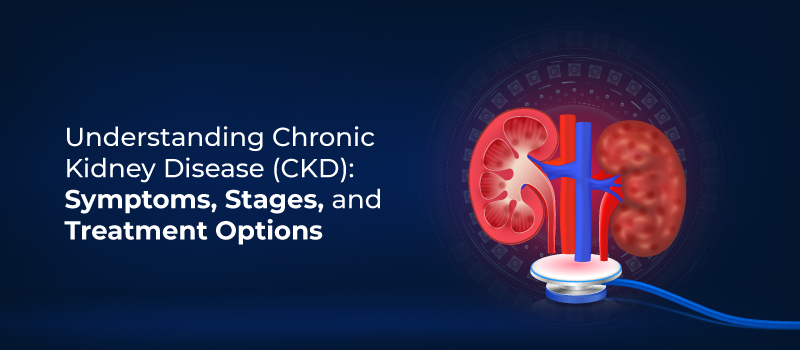
Chronic kidney disease (CKD) is a progressive ailment that affects a person’s kidneys, impacting the kidney’s function adversely as it progresses. This is a very serious disease due to which the kidneys lose their ability to effectively filter out any waste and blood, causing a gradual buildup of waste within the body. As a result of such ineffectiveness, patients can suffer from a series of other health issues. While CKD cannot be cured, it can be treated and managed to slow down its progression. However, it’s essential for the patients to have it diagnosed as soon as possible.

Symptoms and Signs Of CKD

One of the challenges of this condition is that CKD patient symptoms often emerge when the disease has progressed significantly. However, it is essential to look out for the following symptoms, as they can allow you to get an early diagnosis:

  • Constant Fatigue
  • Edema or swelling of legs, ankles, hands, face, and feet
  • Pulmonary edema, which can be observed as shortness of breath
  • Blood in urine, foamy urine, or minimized urine frequency
  • High blood pressure
  • Unintentional weight loss
  • Nausea and vomiting
  • Cramping muscles.

These symptoms are the result of waste buildup in the body, retention of fluids, and minimized production of erythropoietin. Moreover, cardiovascular health also suffers, and the heart needs to work harder, which leads to hypertension. If a person experiences these symptoms, they should consult a medical professional to get a diagnosis.

During medical tests, some of the following signs of CKD can be observed, which can help in the formation of a conclusive diagnosis of whether or not a person is suffering from this ailment.

  • If there is protein present in the urine, it can be an indication of kidney damage. This condition is known as proteinuria.
  • If there is blood in the urine, the condition is known as hematuria, which can indicate kidney damage.
  • Some imaging tests can also be required in patients, such as CT scans or ultrasound examinations, which can help detect if there are any abnormalities in the kidneys.
  • Irregular levels of electrolytes in the body, such as potassium, sodium, and calcium, can be an indication of kidney damage.
  • Lastly, if tests reveal an increased level of creatinine in the urine, it is an indication of impaired kidney function.

Chronic Kidney Disease Stages

CKD progresses in 5 stages, each more serious than the previous. The distinction between the different CKD stages is drawn on the basis of the glomerular filtration rate (GFR). This rate signifies how well the kidney is functioning. Here’s how the stages progress:

  • Stage 1: At this stage, the GFR range can be normal or slightly high (90 mL/min or higher), with some evidence of kidney damage. This stage can usually only be identified through tests.
  • Stage 2: The chronic kidney disease stage 2 is where the GFR can be slightly decreased, and early symptoms can be experienced by the patients.
  • Stage 3: At this stage, the GFR range is further decreased, usually around 30-59 mL/min. Moreover, patients can experience a lot of symptoms, like nausea, swelling, fatigue, and more.
  • Stage 4: At this point, the GFR activity is significantly decreased and major symptoms can appear, and it is essential to start treatment to manage the progression.
  • Stage 5: At stage 5, kidney failure occurs, and dialysis or transplantation become critical for survival.

Across stages of CKD, any of the clinical features of CKD, such as complications with the cardiovascular system, metabolic acidosis, fluid overload, anemia, and disorders with bones and mineral content, can be experienced.

In order to help manage or treat CKD, doctors can adopt any of the following chronic kidney disease medical procedure options, depending on the particular conditions of the patient. The following procedures are most commonly opted for:

  • Dialysis: Through this procedure, waste accumulation and excess fluids are removed from the body. The patient can receive either hemodialysis or peritoneal dialysis.
  • Transplantation: A kidney transplant helps patients by replacing a damaged kidney with a properly functioning one.
  • Medications: Medications are often provided at early stages as well to help manage related issues like blood pressure, diabetes, anemia, and cholesterol.

Conclusion

Chronic kidney disease is a very challenging ailment that can impact a person’s overall health and quality of life. At AINU, we specialize in identifying distressing symptoms that indicate kidney damage and putting you on the path to effective management. Through early detection, it is possible to slow down CKD’s progression and increase good quality of life quality. Reach out to us to learn more about CKD or get expert help with its treatment.

Prostate Cancer: Symptoms, Causes and Treatment

  • Overview
  • 1. Causes of Prostate Cancer
  • 2. Signs and Symptoms of Prostate Cancer
  • 3. Diagnosis and Treatment
  • 4. Prostate Cancer Treatment
  • FAQs

Prostate cancer occurs in the prostate gland, which secretes fluid that nourishes and keeps the sperm healthy for conception. This walnut-shaped organ is located right beneath the bladder in males. Prostate cancer usually grows slowly and can be treated easily when it’s not spread to the surrounding organs and tissues. However, few can have aggressive Prostate cancer cells, which multiply rapidly and few are diagnosed at late stages.

Prostate cancer is the second most common type of cancer affecting males. Your healthcare provider will most likely diagnose the cancer during your routine screening. Because of its slow-growing nature and early detection, many people diagnosed with prostate cancer get cancer-free. Let’s learn more about prostate cancer’s causes, signs, symptoms, and treatment.

1. Causes of Prostate Cancer

There are certain risk factors that might put some people at an increased risk of developing prostate cancer compared to others.

Risk Factors

  • Age: People over 50 are more likely to be diagnosed with prostate cancer than those in their 20s and 30s.
  • Family History: If a blood relative in your family, such as your parents and siblings, has a history of prostate cancer or breast cancer, then your risk of developing prostate cancer is slightly higher than that of an average person.
  • Obesity: People diagnosed with obesity are at a greater risk of developing prostate cancer than those with a normal weight. Obesity can also increase the risk of cancer recurrence after treatment.
  • Race: People with African ancestry are more likely to develop prostate cancer as compared to Asians and others.

2. Signs and Symptoms of Prostate Cancer

Like any cancer, detecting prostate cancer at an early stage is quite difficult, as it doesn’t produce many symptoms. You might start noticing problems once the disease progresses. Here are the signs of prostate cancer:

  • Frequent urination
  • Sudden and uncontrollable urge to urinate
  • Poor urine flow
  • Pain or a burning sensation when urinating
  • Blood in their urine.
  • As the cancer grows, you might experience bone pains especially at in the lower back and hips.

Most of these symptoms can even occur in patients with age related non-cancerous prostate enlargement. Your Urologist will run few tests to differentiate.

3. Diagnosis and Treatment

Your doctor might advise you to get regular screening if you are over 50, especially if you are at increased risk of developing prostate cancer. The routine clinical exam might be able to detect prostate cancer, but further testing is required to confirm the cancer, locate the cancer and determine how far it’s spread.

Diagnosis begins with the digital rectal exam, in which the professional will insert the lubricated finger through your rectum to feel your prostate gland. They will look out for any hard lumps or anything unusual that could possibly be a benign or malignant tumor.

They may also check the PSA (Prostate specific antigen) level, which is a protein produced by prostate gland. An increased PSA level in your blood might mean a higher risk of prostate cancer, although the PSA level could rise due to an enlarged prostate or urinary infections.

If your doctor suspects cancerous growth within your prostate gland, they might order further imaging and prostate biopsy

MRI: An MRI shows the size, location, and stage of cancer. It helps give clear information about the cancer growth, thus making it easier to determine a suitable treatment.

Biopsy: Once MRI locates suspicious lesion, Your healthcare provider will take biopsy from that lesion and send it for microscopic testing. It also shows how aggressive is the cancer.

Staging: It’s considered local if it’s confined within the prostate gland and regional if it has spread to the nearby tissues or lymph nodes. If the cancer has grown outside the prostate, i.e.liver, brain, lungs, lymph nodes, and other organs, it is considered metastasized.

4. Prostate Cancer Treatment

As mentioned above, prostate cancer grows slowly, and amenable for curative treatment in most of the instances.

  • Surgery: Surgical removal of the damaged prostate gland is an effective treatment for cancer that hasn’t spread to the surrounding tissues. It’s called radical prostatectomy. With the advent of Robotic technology this surgery is being done with robotic assistance in many higher institutions across the globe.
  • Radiation: Radiation therapy can be given as a standalone treatment or in conjunction with surgery, depending on the stage of cancer.
  • Hormonal and Chemotherapy: If the cancer has spread beyond the prostate, Hormonal therapy and if required chemotherapy might be advised to kill the cancer cells.

Understanding Diabetes-Related Kidney Failure- Symptoms, Causes, and Preventive Measures

  • Overview
  • 1. Why is Diabetic Nephropathy a Serious Problem?
  • 2. The Causes of Diabetic Nephropathy
  • 3. The Symptoms of Diabetic Nephropathy
  • 4. What can be done to prevent diabetic nephropathy?
  • 5. Concluding Thoughts
  • FAQs

Key complications of type 1 and type 2 diabetes include diabetic nephropathy. It is also known as diabetic renal disease.

It is not uncommon, considering diabetes is on the rise. Patients with diabetic nephropathy have renal problems. This can severely impact the patient’s daily life. How? This post will unravel diabetes-related kidney failure, its causes, and its symptoms.

Dive in to find out everything you need to know about diabetic nephropathy.

1. Why is Diabetic Nephropathy a Serious Problem?

Diabetic nephropathy poses a risk as it impairs the kidneys ability to remove waste and fluids.

Effective methods to delay or prevent nephropathy involve adopting a healthy lifestyle, managing blood pressure, and seeking treatment from an experienced doctor in Visakhapatnam who specialises in the management of diabetic nephropathy.

The top Visakhapatnam renal specialist can detect and cure diabetic nephropathy.

Normal renal disease can escalate to kidney failure. Renal end-stage disease is the issue. Death from kidney failure is possible. Patients will only get kidney transplants and dialysis.

2.The Causes of Diabetic Nephropathy

Diabetes nephropathy is common among type 1 and 2 diabetics. If you don’t control your diabetes and have poor habits, kidney damage from diabetes will affect your life.

Kidney injuries from high blood pressure hinder blood filtration. Heavy smokers and diabetics can develop nephropathy.

3. The Symptoms of Diabetic Nephropathy

There are various diabetic nephropathy symptoms that we have mentioned below:

  • Blood pressure is uncontrollable
  • Traces of protein in the urine
  • Swelling of hands, ankles, feet, and eyes
  • Difficulty in concentrating
  • Confusion
  • Nausea
  • Fatigue
  • Itching
  • Loss of appetite

These are the diabetes kidney failure symptoms you need to watch out for. We’ll offer preventive actions for diabetic nephropathy in the next section because it can disrupt daily living.

4. What can be done to prevent diabetic nephropathy?

Reduce your risk of diabetic nephropathy. Some of our suggestions:

  • Stop smoking. Cigarette smoking damages the kidney and could also make the existing condition worse.
  • Meet with a diabetes specialist from time-to-time. Annual appointments are better. Treat your diabetes; speak to a specialist.
  • Manage high blood pressure because you are at risk of getting kidney disease if you don’t take care.
  • Fight obesity and maintain a healthy weight. You must walk, eat clean, follow a workout routine, or stay active. Pick any activity of your choice, such as dancing, swimming, or yoga.

Small changes can make a big difference, which is why you should manage your diabetes at the earliest possible time. And if you already have diabetic Nephropathy, consider meeting a specialist as soon as you can.

5. Concluding Thoughts

Diabetic nephropathy diagnosis is crucial. If you feel any of the symptoms we mentioned, consider meeting a specialist and letting them suggest the best treatment.

Book an Appointment