
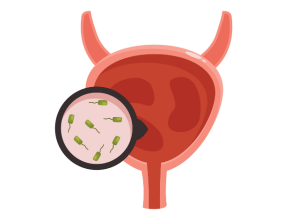
UTI in Pregnancy (Urinary Tract Infection in Pregnancy)
Urinary tract infections are quite common during pregnancy due to hormonal changes and pressure on the urinary tract. Some infections may cause noticeable discomfort, while others can be completely silent and detected only through routine prenatal tests. Because untreated UTIs in pregnancy can lead to complications; both for the mother and the baby, early diagnosis and treatment are extremely important.
UTIs during pregnancy generally fall into three categories: asymptomatic bacteriuria, symptomatic cystitis, and pyelonephritis (a more serious kidney infection). Understanding their symptoms helps ensure timely medical care.
Symptoms of UTI in Pregnancy
- Asymptomatic Bacteriuria
- This type of UTI shows no outward symptoms, yet bacteria are present in the urine.
- It is usually identified during routine prenatal screening and requires treatment to prevent progression to more serious infections.
- Symptomatic Cystitis
This is a bladder infection with typical lower urinary tract symptoms, such as:
- Frequent and urgent need to urinate
- Burning or pain during urination
- Passing small amounts of urine frequently
- Cloudy or foul-smelling urine
- Blood in urine
- Lower abdominal pain or discomfort
- A strong urge to urinate even when the bladder is not full
These symptoms can be uncomfortable but are usually treatable with pregnancy-safe antibiotics.
- Pyelonephritis (Upper UTI)
This is a more severe infection involving the kidneys and requires urgent medical attention.
Symptoms may include:
- High fever (above 38°C/100.4°F) with chills
- Flank pain or pain in the lower back or sides
- Nausea and vomiting
- Severe fatigue or weakness
- Costovertebral angle tenderness (pain when the doctor presses the back near the kidneys)
- Rapid heartbeat
- Uterine contractions or signs of preterm labor
Pyelonephritis is considered a medical emergency in pregnancy due to risks to both mother and baby.
Diagnosis of UTI in Pregnancy
Diagnosis involves routine screening plus targeted tests if symptoms appear. These may include:
- Routine prenatal urine screening: At the first visit and periodically throughout pregnancy
- Urinalysis: Detects white blood cells, red blood cells, bacteria, nitrites, and leukocyte esterase
- Urine culture and sensitivity (gold standard): Identifies the exact bacteria and the most effective antibiotics
- Colony count assessment: Significant bacteriuria is defined as ≥100,000 CFU/mL
- Urine dipstick test: As a rapid screening tool
- Complete blood count (CBC) If pyelonephritis is suspected
- Blood cultures: For severe infections or suspected sepsis
- Renal ultrasound: To evaluate complications or recurrent infections
- Fetal monitoring: To assess the baby’s well-being, especially in cases of pyelonephritis
- Assessment for preterm labor: Including monitoring uterine contractions
Treatment of UTI in Pregnancy
For Asymptomatic Bacteriuria and Cystitis
These conditions are treated with pregnancy-safe antibiotics, typically for 7 days. Options include:
- Nitrofurantoin (avoided in early first trimester and near term)
- Amoxicillin
- Amoxicillin-clavulanate
- Cephalexin or other cephalosporins
- Fosfomycin (single-dose option)
Antibiotics to avoid during pregnancy:
- Fluoroquinolones
- Tetracyclines
- Trimethoprim (especially in the first trimester)
- Sulfonamides (near term)
After treatment:
- A follow-up urine culture is done 1–2 weeks later to ensure the infection has cleared.
- Monthly urine cultures may be recommended for the rest of the pregnancy to prevent recurrence.
Supportive measures include:
- Drinking plenty of fluids to stay hydrated
- Practicing proper hygiene, including wiping front to back
- Maintaining regular perineal cleaning
For Pyelonephritis
Pyelonephritis usually requires hospitalization due to the risk of preterm labor and maternal complications. Treatment includes:
- Intravenous antibiotics, such as:
- Ceftriaxone
- Cefuroxime
- Ampicillin plus gentamicin
- Switching to oral antibiotics once fever subsides; total treatment lasts 10–14 days
- IV fluids – For hydration and fever management
- Antipyretics – Acetaminophen for fever control
- Antiemetics – To manage nausea and vomiting
- Continuous fetal monitoring – To watch heart rate and uterine activity
- Tocolytics – If preterm contractions develop
Preventive Measures for UTI During Pregnancy
Preventing UTIs during pregnancy is an important part of prenatal care. Recommendations include:
- Prophylactic antibiotics – Low-dose suppressive therapy for recurrent UTIs (nitrofurantoin or cephalexin)
- Cranberry products as a supplementary preventive option
- Drinking 8–10 glasses of water daily
- Emptying the bladder regularly; avoid holding urine
- Urinating after intercourse
- Avoiding douches and scented feminine hygiene sprays
- Wearing cotton underwear for better airflow
- Attending all regular prenatal checkups for early detection and monitoring