
Overview
Male infertility refers to a man’s reduced ability to cause a pregnancy in a fertile partner. It is usually linked to problems with sperm production, sperm function, or sperm delivery. Male factors contribute to infertility in nearly half of all couples who have difficulty conceiving.
Infertility can be emotionally challenging, but it is also highly treatable in many cases. Advances in diagnosis and treatment mean that many men with fertility issues are able to father children, either naturally or with medical support. Early evaluation plays an important role in identifying the cause and choosing the most effective treatment.
Symptoms
In many cases, male infertility does not cause obvious symptoms beyond difficulty achieving a pregnancy. However, some men may experience signs that point to an underlying problem.
These may include:
- Problems with sexual function, such as difficulty with ejaculation or maintaining an erection
- Pain, swelling, or lumps in the testicular area
- Reduced sexual desire
- Changes in hair growth on the face or body
- Recurrent respiratory or genital infections
- Small, firm, or unusually shaped testicles
Often, infertility is discovered only after a couple has been trying to conceive for a year or more.
Causes
Male infertility can result from problems that affect sperm production, sperm quality, or sperm delivery.
- Problems with sperm production
Conditions that affect the testicles can reduce the number or quality of sperm. These include hormonal imbalances, genetic conditions, undescended testicles, and damage from infections or toxins. - Problems with sperm function or shape
Sperm that do not move well or have an abnormal shape may struggle to reach or fertilize the egg. - Blockages in sperm transport
Obstructions in the tubes that carry sperm can prevent sperm from being released during ejaculation. These blockages may be present from birth or develop after infections or surgery. - Ejaculation disorders
Conditions such as retrograde ejaculation cause semen to flow backward into the bladder instead of out through the penis. - Hormonal imbalances
Disorders involving the pituitary gland, thyroid, or testicles can affect hormone levels needed for sperm production.
Risk factors
Factors that increase the risk of male infertility include:
- Smoking, alcohol use, or recreational drug use
- Exposure to heat, chemicals, or radiation
- Obesity
- Certain medications or cancer treatments
- History of infections such as mumps after puberty
- Chronic medical conditions, including diabetes
Understanding these risk factors can help guide prevention and treatment.
Complications
Male infertility can lead to emotional stress, anxiety, and strain on relationships. In some cases, untreated underlying conditions may worsen over time and affect overall health.
Seeking timely medical care helps address both physical and emotional aspects of infertility.
Diagnosis
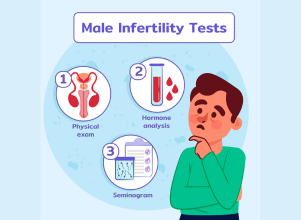
Evaluating male infertility involves a detailed medical history, physical examination, and diagnostic tests. These may include:
- Semen analysis to assess sperm count, movement, and shape
- Blood tests to evaluate hormone levels
- Ultrasound of the testicles or reproductive tract
- Genetic testing in selected cases
- Additional specialized tests based on initial findings
A thorough evaluation helps identify the exact cause and guide treatment.
Treatment
Treatment depends on the underlying cause of infertility and the couple’s reproductive goals.
Treatment options may include:
- Medications to correct hormonal imbalances or treat infections
- Surgery to repair blockages or varicoceles
- Lifestyle changes to improve sperm health
- Assisted reproductive techniques such as IUI or IVF, when needed
Many men see improvement with appropriate treatment and follow-up.
Prevention and long-term care
While not all causes of male infertility can be prevented, certain steps can support reproductive health:
- Avoid smoking, excessive alcohol, and illicit drugs
- Maintain a healthy weight and balanced diet
- Protect the testicles from excessive heat and injury
- Seek early treatment for infections and hormonal issues
With expert care and the right approach, male infertility is often manageable, and many couples are able to achieve a successful pregnancy.
When to see a doctor
You should consider seeing a doctor if pregnancy has not occurred after one year of regular, unprotected intercourse, or earlier if there are known risk factors. Men should seek medical advice sooner if they have a history of testicular injury, surgery, infection, or sexual dysfunction.
Early evaluation helps identify treatable causes and avoids unnecessary delays.