
Overview
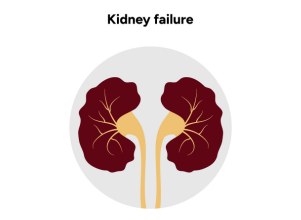
Kidney failure occurs when the kidneys are no longer able to filter waste products and excess fluids from the blood effectively. As a result, harmful toxins can build up in the body, leading to serious health complications.
Kidney failure can develop suddenly, known as acute kidney failure, or gradually over time, referred to as chronic kidney disease progressing to end-stage kidney disease. While acute kidney failure may be reversible with prompt treatment, chronic kidney failure often requires long-term management, including dialysis or a kidney transplant.
Symptoms
Kidney failure may present with a range of signs, which can vary depending on whether it is acute or chronic. Common symptoms include:
- Decreased urine output, though occasionally urine output remains normal
- Swelling in the legs, ankles, feet, or around the eyes due to fluid retention
- Fatigue or weakness
- Shortness of breath
- Nausea or vomiting
- Loss of appetite
- Confusion or difficulty concentrating
- Chest pain or pressure
- Persistent itching
- Muscle cramps or twitches
Some people with chronic kidney disease may experience no noticeable symptoms until the condition is advanced, which is why regular check-ups are essential.
When to See a Doctor
Seek immediate medical attention if you experience sudden changes in urine output, severe swelling, confusion, or chest pain. Early diagnosis and treatment can significantly improve outcomes.
Causes
Kidney failure can result from a variety of underlying conditions or events that affect kidney function. These include:
Reduced Blood Flow to the Kidneys
Conditions that decrease blood flow and oxygen supply to the kidneys can trigger kidney failure:
- Severe dehydration
- Heart attack or heart failure
- Liver failure
- Major surgery or trauma
- Severe infections or sepsis
- Blood loss
Direct Kidney Damage
Certain conditions or exposures can directly damage kidney tissue:
- Glomerulonephritis (inflammation of kidney filters)
- Polycystic kidney disease
- Certain medications, including some antibiotics and chemotherapy drugs
- Exposure to toxins, heavy metals, or illicit drugs
- Autoimmune conditions, such as lupus
Urinary Tract Obstruction
Blockages in the urinary tract can prevent urine from leaving the kidneys, leading to kidney failure:
- Kidney stones
- Enlarged prostate
- Tumors in the urinary tract
- Blood clots
- Nerve damage affecting bladder function
Risk Factors
Several factors increase the likelihood of developing kidney failure:
- Diabetes and uncontrolled high blood pressure
- Chronic kidney disease
- Heart disease or liver disease
- Older age
- Family history of kidney disease
- Prolonged use of certain medications, like NSAIDs
Diagnosis
Diagnosing kidney failure involves a combination of medical history, physical examination, and specialized tests to determine how well the kidneys are functioning. Common diagnostic steps include:
- Blood tests – To check levels of waste products such as creatinine and blood urea nitrogen (BUN), which rise when kidney function declines.
- Urine tests – To detect protein, blood, or abnormal substances in the urine, which can indicate kidney damage.
- Imaging tests – Ultrasound, CT scan, or MRI may be used to examine the kidneys for structural problems, obstructions, or abnormalities.
- Kidney biopsy – A small tissue sample may be taken to identify the underlying cause of kidney failure, especially in cases of suspected glomerulonephritis or autoimmune conditions.
- Blood pressure and electrolyte monitoring – To assess complications that may arise from kidney dysfunction.
Early diagnosis is crucial. Detecting kidney problems before symptoms become severe increases the likelihood of preserving kidney function.
Treatment
Treatment for kidney failure depends on its type, cause, and severity. The goal is to restore or maintain kidney function, manage symptoms, and prevent complications.
Acute Kidney Failure
- Treat underlying causes – Correcting dehydration, infections, or blocked urine flow can sometimes reverse acute kidney failure.
- Medications – To manage symptoms such as high blood pressure, swelling, or electrolyte imbalances.
- Temporary dialysis – If waste products build up to dangerous levels, dialysis may be required until kidney function improves.
Chronic Kidney Failure (End-Stage Renal Disease)
- Dialysis – A life-sustaining procedure that removes waste and excess fluid from the blood when kidneys can no longer do so. This can be hemodialysis (using a machine) or peritoneal dialysis (using the abdominal lining).
- Kidney transplant – In eligible patients, replacing the failed kidney with a healthy donor kidney can restore normal kidney function.
- Medications and lifestyle changes – To control blood pressure, manage diabetes, prevent complications, and slow disease progression.
- Dietary management – Limiting sodium, potassium, phosphorus, and protein intake may help reduce kidney workload.
Ongoing follow-up with a nephrologist is essential to monitor kidney function, adjust treatments, and manage associated health conditions.
Complications
Untreated kidney failure can lead to serious and potentially life-threatening complications:
- Fluid overload, causing swelling or shortness of breath
- Electrolyte imbalances, leading to irregular heartbeats or muscle weakness
- High blood pressure that is difficult to control
- Permanent kidney damage requiring dialysis or transplantation
- Increased risk of heart disease
- Death, in severe cases
Prevention
While not all cases of kidney failure can be prevented, you can lower your risk by:
- Managing chronic conditions like diabetes, high blood pressure, and heart disease
- Staying well-hydrated, especially during illness or extreme heat
- Avoiding long-term or excessive use of NSAIDs and other kidney-impacting medications
- Maintaining a healthy lifestyle with a balanced diet, regular exercise, and limited alcohol intake
- Attending regular medical check-ups, especially if you have risk factors for kidney disease