
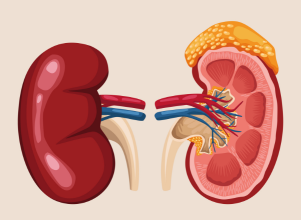
Overview
Kidney cancer is a disease in which abnormal cells grow uncontrollably in the kidney and form a mass, known as a tumor. The most common type of kidney cancer in adults is renal cell carcinoma, which begins in the lining of the small tubes inside the kidney. Less common types can affect the renal pelvis or occur in children.
Kidney cancer often develops silently in its early stages and may be discovered during imaging tests done for other reasons. When detected early, treatment is highly effective, and many people go on to live full, healthy lives.
Symptoms
In the early stages, kidney cancer may not cause noticeable symptoms. As the tumor grows, symptoms may begin to appear.
Possible signs and symptoms include:
- Blood in the urine, which may appear pink, red, or cola-colored
- Persistent pain in the side or lower back
- A lump or mass felt in the abdomen or side
- Unexplained weight loss
- Fatigue or weakness
- Fever that is not caused by an infection
- Loss of appetite
Many of these symptoms can be caused by conditions other than cancer, which is why medical evaluation is important.
When to See a Doctor
See a healthcare professional if you notice:
- Blood in your urine, even once
- Persistent back or side pain without a clear cause
- Unexplained weight loss or fatigue
Early diagnosis plays a key role in successful treatment.
Causes
The exact cause of kidney cancer is not always known. It begins when cells in the kidney develop changes in their DNA, causing them to grow and divide uncontrollably.
Certain factors can increase the likelihood of these changes, although many people with kidney cancer have no clear risk factors.
Risk Factors
Factors that may increase the risk of kidney cancer include:
- Smoking
- High blood pressure
- Obesity
- Long-term dialysis
- Family history of kidney cancer
- Certain inherited genetic conditions
- Workplace exposure to specific chemicals
Having one or more risk factors does not mean a person will develop kidney cancer.
Types of Kidney Cancer
Kidney cancer includes several types, based on the cells involved.
Common types include:
- Renal cell carcinoma – the most common form in adults
- Transitional cell carcinoma – affecting the renal pelvis
- Wilms tumor – a rare type seen mainly in children
- Rare kidney tumors – including sarcomas
Identifying the type helps determine the most effective treatment approach.
Complications
If left untreated, kidney cancer can spread beyond the kidney to other parts of the body, such as the lungs, bones, or liver.
Possible complications include:
- Spread of cancer to distant organs
- Anemia or fatigue
- High calcium levels in the blood
- Reduced kidney function, especially if both kidneys are affected
Regular follow-up is essential after treatment.
Diagnosis
Kidney cancer is often diagnosed through imaging and laboratory tests.
Diagnostic evaluation may include:
- Imaging tests such as ultrasound, CT scan, or MRI
- Blood and urine tests to assess kidney function and overall health
- Biopsy in selected cases to confirm the diagnosis
These tests also help determine the stage of the cancer.
Treatment Options
Treatment depends on the size, type, and stage of the cancer, as well as the patient’s overall health.
Treatment options may include:
- Surgery, including partial or complete removal of the kidney
- Minimally invasive and robotic-assisted procedures, when appropriate
- Targeted therapy to block cancer growth pathways
- Immunotherapy to help the immune system fight cancer
- Radiation therapy, in select cases
Many treatment plans use a combination of approaches for best results.
Life After Treatment
After treatment, regular follow-up is important to monitor kidney function and detect any recurrence early.
Long-term care may include:
- Periodic imaging and blood tests
- Monitoring blood pressure and kidney health
- Lifestyle changes to support overall well-being
With advances in early detection and treatment, outcomes for kidney cancer continue to improve.
Prevention
While kidney cancer cannot always be prevented, certain steps may lower risk:
- Avoiding tobacco use
- Maintaining a healthy weight
- Managing blood pressure
- Staying physically active
Routine health check-ups can help detect problems early.