
Overview
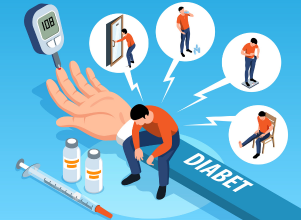
Diabetes after transplant is a well-recognised complication seen in some patients following organ transplantation. While a transplant can be life-saving and significantly improve quality of life, the metabolic changes that occur after surgery, particularly due to long-term immunosuppressive medications, can increase the risk of developing high blood sugar levels.
This condition requires timely diagnosis and careful management, as uncontrolled diabetes can affect wound healing, increase the risk of infections, and impact the long-term health of the transplanted organ. With appropriate monitoring, lifestyle measures, and medical treatment, diabetes after transplant can be effectively controlled, allowing patients to lead healthy and active lives after transplantation.
Diabetes After Transplant
Diabetes after transplant, also referred to as Post-Transplant Diabetes Mellitus (PTDM) or New-Onset Diabetes After Transplant (NODAT), describes the development of persistent diabetes in patients who did not have diabetes before undergoing an organ transplant.
This condition occurs due to a combination of factors that affect how the body regulates blood sugar after transplantation. Immunosuppressive medications, changes in insulin production and sensitivity, and pre-existing risk factors all contribute to its development. Diabetes may appear soon after surgery or develop gradually during long-term follow-up.
- Develops in patients with no prior history of diabetes before transplantation
- Can occur after kidney, liver, heart, lung, or other solid organ transplants
- Often linked to the use of immunosuppressive drugs such as steroids and calcineurin inhibitors
- May be temporary in some patients or become a chronic condition in others
- Requires long-term monitoring to protect both patient health and graft function
Early recognition and appropriate treatment are essential to reduce complications and ensure the long-term success of the transplant.
Why Does Diabetes Occur After Transplant?
The development of diabetes after a transplant is usually not due to a single cause. Instead, it results from a combination of medication-related effects, changes in the body’s metabolism, and individual patient risk factors. After transplantation, the immune system must be suppressed to prevent rejection of the new organ, and this necessary treatment can significantly affect blood sugar regulation.
Immunosuppressive medications are the most important contributors. Drugs such as corticosteroids and calcineurin inhibitors interfere with insulin secretion and increase insulin resistance, making it harder for the body to control glucose levels. In addition, the physical stress of surgery and recovery can unmask a tendency toward diabetes in susceptible individuals.
- Use of immunosuppressive medications, especially steroids, tacrolimus, and cyclosporine
- Reduced insulin production by the pancreas
- Increased insulin resistance in body tissues
- Stress response related to surgery and recovery
- Weight gain and reduced physical activity after transplant
- Pre-existing impaired glucose tolerance that becomes evident after transplant
Understanding these causes helps doctors adjust treatment strategies and monitor high-risk patients more closely.
Who Is at Risk of Developing Diabetes After Transplant?
Not all transplant recipients develop diabetes. Certain individuals have a higher risk due to a combination of personal, medical, and treatment-related factors.
Patients who already have risk factors for diabetes before transplant are more likely to develop high blood sugar after surgery. In addition, the type and dose of immunosuppressive medication used can further increase this risk.
- Older age at the time of transplant
- Family history of diabetes
- Overweight or obesity
- Pre-existing impaired fasting glucose or prediabetes
- Certain ethnic backgrounds with higher diabetes prevalence
- History of hepatitis C or fatty liver disease
- Use of high-dose or long-term steroid therapy
- Use of tacrolimus-based immunosuppression
Identifying high-risk patients early allows for closer monitoring and early intervention.
Symptoms of Diabetes After Transplant
Symptoms of diabetes after transplant are similar to those seen in other forms of diabetes, but they may be overlooked in the post-transplant period as they can overlap with recovery-related fatigue or medication side effects.
Some patients may not experience obvious symptoms initially, making regular blood sugar monitoring especially important.
- Increased thirst and dry mouth
- Frequent urination
- Unexplained weight loss
- Increased hunger
- Fatigue or weakness
- Blurred vision
- Slow wound healing
- Recurrent infections, especially urinary or skin infections
Any of these symptoms in a transplant recipient should prompt evaluation for diabetes.
How Is Diabetes After Transplant Diagnosed?
Diagnosis of diabetes after transplant is based on standard blood glucose criteria, along with careful interpretation in the post-transplant setting. Blood sugar levels may fluctuate in the early period after surgery, so repeated testing is often required to confirm the diagnosis.
Doctors also assess overall metabolic health and review immunosuppressive medications as part of the evaluation.
- Fasting blood glucose levels
- Random blood glucose measurements
- HbA1c (glycated hemoglobin) levels
- Oral glucose tolerance test in selected cases
- Review of post-transplant medication regimen
Early diagnosis allows timely treatment and helps prevent long-term complications.
Why Is Diabetes After Transplant a Concern?
Diabetes after transplant affects more than just blood sugar levels. Poorly controlled diabetes can increase the risk of complications that may threaten both patient health and the transplanted organ.
It can impair wound healing, increase susceptibility to infections, and contribute to cardiovascular disease. Over time, uncontrolled diabetes may also negatively impact graft survival.
- Increased risk of infections
- Delayed wound healing
- Higher risk of cardiovascular disease
- Increased likelihood of hospital readmissions
- Potential negative impact on long-term graft function
- Reduced overall quality of life if poorly controlled
Effective management is essential to minimize these risks.
Management and Treatment of Diabetes After Transplant
Treatment of diabetes after transplant requires a balanced approach that controls blood sugar while preserving transplant function. Management is individualized and often involves coordination between transplant specialists, endocrinologists, and dietitians.
Lifestyle modifications form the foundation of treatment, supported by medications when required. In some cases, adjustment of immunosuppressive therapy may be considered under specialist supervision.
- Dietary modification tailored to post-transplant needs
- Regular physical activity as advised by the care team
- Oral antidiabetic medications where appropriate
- Insulin therapy when blood sugar control is inadequate
- Regular blood glucose monitoring
- Review and optimization of immunosuppressive medications
With proper treatment, most patients can achieve good glycemic control.
Can Diabetes After Transplant Be Prevented?
While diabetes after transplant cannot always be prevented, certain measures can significantly reduce the risk, especially in high-risk individuals.
Preventive strategies focus on early identification, careful medication management, and lifestyle measures.
- Pre-transplant screening for diabetes and prediabetes
- Use of the lowest effective dose of diabetogenic immunosuppressive drugs
- Maintaining a healthy body weight
- Balanced diet and regular physical activity
- Early post-transplant blood sugar monitoring
Preventive care plays an important role in long-term transplant success.
Long-Term Outlook and Follow-Up
With early diagnosis and proper management, many patients with diabetes after transplant are able to maintain good blood sugar control and protect their transplanted organ.
Long-term follow-up is essential to monitor glucose levels, adjust treatment, and detect complications early.
- Regular blood sugar and HbA1c monitoring
- Periodic assessment of kidney, heart, and vascular health
- Ongoing medication review
- Lifestyle counselling and support
A structured follow-up plan helps ensure long-term health and graft survival.
When Should You See a Doctor?
Transplant recipients should remain vigilant about symptoms and routine follow-up. Medical attention should be sought promptly if blood sugar levels rise or symptoms suggestive of diabetes appear.
- Persistent high blood sugar readings
- Symptoms such as excessive thirst, frequent urination, or unexplained weight loss
- Recurrent infections or slow wound healing
- Difficulty controlling blood sugar despite treatment
Early medical intervention helps prevent complications and ensures optimal post-transplant outcomes.