
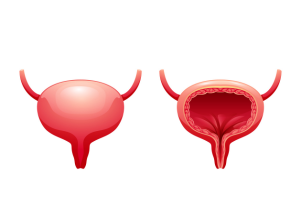
Chronic Cystitis
Chronic cystitis is a long-term or recurrent inflammation of the bladder. Unlike a single episode of acute cystitis, chronic cystitis can last for weeks, months, or keep coming back multiple times a year. It may be caused by repeated bacterial infections, underlying bladder conditions, or non-infectious causes such as interstitial cystitis.
Living with chronic cystitis can significantly affect daily life, causing discomfort, fatigue, and ongoing worry about urinary symptoms. However, with proper diagnosis and a combination of medical and lifestyle interventions, symptoms can often be managed effectively.
Symptoms of Chronic Cystitis
Chronic cystitis may present with a range of persistent or recurring symptoms, often affecting both physical comfort and quality of life. These include:
- Frequent or urgent urination
Feeling the need to urinate often or suddenly, including during the night. - Chronic pelvic pain or bladder discomfort
A constant ache or pressure in the lower abdomen or pelvis. - Burning sensation during urination
Often occurring during flare-ups of infection or inflammation. - Occasional lower abdominal pain
Mild to moderate discomfort may be intermittent. - Feeling of incomplete bladder emptying
The sensation that the bladder isn’t fully emptied after urination. - Intermittent blood in urine
Hematuria may appear during flare-ups. - Cloudy or foul-smelling urine
Especially during active infection. - Pain during or after sexual intercourse
Can be a sign of bladder inflammation or irritation. - Symptoms lasting more than six weeks or recurring multiple times per year
Persistent or recurrent urinary problems distinguish chronic cystitis from a single acute episode. - Fatigue and reduced quality of life
Ongoing discomfort and frequent trips to the bathroom can affect sleep, work, and daily activities.
Diagnosis for Chronic Cystitis
Diagnosing chronic cystitis requires a thorough review of your medical history, repeated symptoms, and specialized tests to identify the cause and rule out other conditions.
- Pattern of recurrent infections and previous treatments
Helps the doctor understand frequency, severity, and triggers. - Urinalysis
Detects ongoing inflammation, white blood cells, and red blood cells. - Urine culture and sensitivity
Identifies bacteria if present and determines the most effective antibiotic. - Cystoscopy
Directly examines the bladder lining to detect inflammation, ulcers, or interstitial cystitis. - Bladder biopsy
Sometimes done during cystoscopy to rule out cancer or specific pathology. - Imaging tests
-
- Ultrasound of kidneys and bladder
- CT urography
- MRI (in select cases)
- Urodynamic studies
Assess bladder function, capacity, and pressures. - Post-void residual urine measurement
Checks if the bladder empties completely. - STD screening
Considered if a sexually transmitted infection is suspected.
Treatment of Chronic Cystitis
Treatment of chronic cystitis often involves a combination of medications, lifestyle adjustments, and sometimes procedural interventions. The approach depends on whether the condition is bacterial, interstitial, or related to another underlying cause.
Medications
- Long-term antibiotic therapy
- Treatment course of 7-14 days for acute flare-ups
- Low-dose prophylactic antibiotics (for recurrent bacterial cystitis)
- Pain management
- Phenazopyridine (urinary analgesic)
- NSAIDs or acetaminophen
- Pentosan polysulfate sodium (for interstitial cystitis)
- Bladder instillations
Intravesical therapy with medications like:
- DMSO (dimethyl sulfoxide)
- Hyaluronic acid
- Heparin
Lifestyle Modifications
Simple changes in daily habits can help reduce bladder irritation and prevent flare-ups:
- Drink plenty of water to flush the bladder
- Avoid bladder irritants like caffeine, alcohol, spicy or acidic foods
- Practice stress management techniques
Behavioural Interventions
- Bladder training exercises
- Pelvic floor physical therapy
- Dietary modifications – low-acid diet, elimination of trigger foods
Prophylactic (Preventive) Measures
- Post-coital antibiotics (if symptoms are related to sexual activity)
- Vaginal estrogen therapy (for postmenopausal women)
- Treat underlying conditions like diabetes, neurogenic bladder, or kidney/bladder stones
Surgical Interventions (Rare Cases)
Surgery is only considered when conservative measures fail:
- Bladder hydrodistension
- Bladder augmentation
With proper treatment and preventive strategies, most people with chronic cystitis can manage symptoms effectively, reduce recurrence, and improve their overall quality of life.