
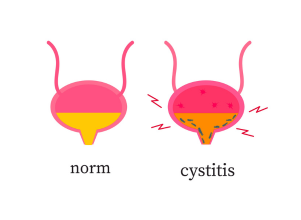
Overview of the Acute Cystitis
Acute Cystitis
Acute cystitis is a sudden inflammation or infection of the urinary bladder, most often caused by bacteria; especially Escherichia coli, which normally lives in the digestive tract. When these bacteria enter the urinary tract, they can multiply and irritate the bladder lining, leading to the classic symptoms of a urinary tract infection (UTI).
Although acute cystitis can be uncomfortable and disruptive, it is usually easy to diagnose and treat. Most people recover quickly with the right medical care and simple preventive measures.
Symptoms of Acute Cystitis
The symptoms of acute cystitis tend to develop quickly and can range from mild to quite bothersome. Most people notice changes in how often they urinate or how it feels when they do.
Common symptoms include:
- Frequent or urgent need to urinate
Needing to go many times a day, sometimes with little warning. - Burning or pain during urination
A sharp or stinging sensation that worsens as the bladder empties. - Passing small amounts of urine frequently
Even after urinating, you may feel like your bladder isn’t emptying fully. - Cloudy, dark, or strong-smelling urine
- Blood in the urine
This may appear pink, red, or cola-colored. - Lower abdominal discomfort or pelvic pressure
- Mild fever
Usually low-grade; a higher fever may suggest a more serious infection. - Waking at night to urinate more frequently
Not everyone experiences all symptoms, and in some cases the signs may be subtle.
Diagnostic Tests for Acute Cystitis
To confirm acute cystitis, your healthcare provider may recommend a few quick and reliable tests. These help identify the infection, the bacteria causing it, and the best treatment option.
- Urinalysis
Microscopic examination for white blood cells, red blood cells, bacteria, and nitrites.
- Urine culture and sensitivity
Identifies specific bacteria and determines antibiotic effectiveness.
- Urine dipstick test
A rapid screening tool that detects leukocyte esterase and nitrites.
- Physical examination
Your doctor may check for lower abdominal tenderness.
- Medical history review
Understanding your previous UTIs, sexual activity, or other risk factors helps assess patterns or underlying causes.
Tests for Recurrent or Complicated Cases of Acute Cystitis
If infections keep recurring or symptoms don’t improve with routine treatment, your doctor may order additional tests to rule out structural issues or other bladder conditions.
These may include:
- Ultrasound of the kidneys and bladder
- CT scan in complicated or severe cases
- Cystoscopy to look inside the bladder and check for abnormalities
Treatment for Acute Cystitis
Most cases of acute cystitis respond quickly to antibiotics. Treatment aims to clear the infection, relieve discomfort, and prevent recurrence.
Antibiotics (first-line treatment)
The exact medication and duration may vary depending on the bacteria and severity.
- Nitrofurantoin (5–7 days)
- Trimethoprim–sulfamethoxazole (3 days)
- Fosfomycin (single dose)
Pain Relief
To ease burning or discomfort while antibiotics take effect:
- Phenazopyridine (a urinary analgesic)
- NSAIDs for pelvic pain or discomfort
Supportive Care
Simple lifestyle steps can help speed recovery:
- Drink plenty of water to flush bacteria from the bladder
- Avoid bladder irritants such as caffeine, alcohol, and spicy foods
- Cranberry products may offer mild benefit but should not replace treatment
Prevention Tips
Good habits can reduce the risk of future infections:
- Maintain proper hygiene (wipe front to back)
- Urinate after sexual intercourse
- For frequent recurrences, your doctor may suggest low-dose preventive antibiotics