
Top 10 Signs That You Should See a Urologist

Table Of Contents

  • Role of a Urologist
  • 10 Signs It’s Time to See a Urologist
  • Why AINU?
  • Final Words
  • FAQs

Urologists are specialized professionals with expertise in diagnosing and treating several urinary and reproductive tract issues. They are highly trained in identifying and treating conditions affecting the kidney, ureter, bladder, prostate, and male/female reproductive organs. This article will discuss when to visit a urologist and what you can expect from them.

Role of a Urologist

All certified urologists are trained surgeons who specialize in treating conditions affecting the urinary tract. Some common conditions are UTIs (urinary tract infections), urinary incontinence, blood in urine, kidney stones, enlarged prostate, pelvic organ prolapse, erectile dysfunction, kidney/bladder/prostate cancers.

Urologists may also pursue sub-specializations in urology, such as in one or more of the following fields.

  • Minimally invasive surgeries, like laparoscopic, robotic, and endoscopic surgeries
  • Genitourinary reconstruction
  • Kidney transplantation
  • Urologic oncology
  • Pediatric Urology
  • Male infertility & Sexual medicine

10 Signs It’s Time to See a Urologist

Here are the top ten signs you need to see a urologist in order to start the required treatment on time.

1. Having Pain or Difficulty While Urinating

One may experience painful or difficult urination due to many urological conditions (such as the ones listed below). Some of its symptoms include experiencing problems starting while peeing, trouble maintaining a regular urine stream, pain while peeing, and struggling while emptying the bladder. Let’s look at some health conditions that may lead to difficult and painful urination.

  • Bladder stones
  • Kidney stones
  • Urinary tract infection (UTI)
  • Enlarged prostate
  • Sexually transmitted infections (STIs)

2. Loss of Bladder Control (Urinary Incontinence)

Urinary incontinence (UI) refers to the unintentional loss of one’s bladder control, which may often create embarrassing social situations. It may result in slight urine leaks or even frequent wetting due to uncontrolled urination. Urine leaks may be caused by laughing, coughing, running, lifting heavy objects, or sneezing. Urge Urinary Incontinence, may often feel a strong and sudden urge to urinate, which leads to uncontrolled urine leaks when they can’t make it to the lavatory in time. It occurs when the bladder is unable to hold the urine for a long time.

3. Blood in the Urine (Hematuria)

It is not normal to have blood in the urine (or in semen). Urine may appear red, brown, pink, or discolored, depending on one’s health conditions. It may result from urinary tract infections, kidney stones, or kidney or bladder cancers. It is important to see a urologist if you see blood in your urine to diagnose the underlying health condition.

4. Kidney Stones

You must never leave kidney stones untreated to prevent severe conditions. Besides, you won’t like to tolerate the excruciating pain. Some red flags of kidney stones include:

  • Sharp pain and discomfort in the lower abdomen (usually towards one side)
  • Frequent urination
  • Having burning sensations while peeing
  • Cloudy or smelly urine
  • Blood in urine
  • Nausea because of intense pain

5. Need to Urinate Frequently

If you feel the urge to urinate more frequently than usual, which even makes you wake up several times during the night, it may indicate bladder health or prostate health issues. Increased frequency of urinating may be the sign of the following conditions.

  • Enlarged prostate
  • Urinary tract infections
  • Overactive bladder

6. Pelvic Pain

Pelvic pain that persists for up to a few days or even weeks is not good. Get it evaluated by a urologist urgently without delay. Pelvic pain may be a warning sign of UTI, kidney stones, appendicitis, hernia, STI, nerve conditions (such as pudendal neuralgia), intestinal disorders (such as colitis or diverticulitis), broken pelvic bones, and cervical cancer. A few other causes of pelvic pain include spasms or tightness of pelvic muscles, pregnancy, miscarriage, psychogenic pain, menstrual cramps, pelvic inflammatory disease (PID), etc.

7. Recurring UTIs

Women experiencing recurrent urinary tract infections (UTIs), such as having two or more episodes within 6 months or getting infected three or more times within a year, must undergo further evaluation from a urologist. On the other hand, in men, any type of UTI is considered complicated, and, therefore, they must visit a urologist without delay.

8. Sexual Dysfunction in Men

Urologists are trained to diagnose and treat reproductive conditions and promote sexual wellness in men. They can treat low testosterone levels, male infertility, erectile dysfunction, and vasectomy. Urologists can also perform tests including:

  • Scrotal ultrasound
  • Hormone testing
  • Overactive bladder

9. Prostate Conditions

Men experiencing the following issues must visit a urologist without delay, as these may indicate an enlarged prostate, also known as benign prostatic enlargement (BPE).

  • Painful urination
  • A weak or short urine stream
  • Blood in urine
  • Struggling with emptying the bladder

10. Facing Pain in the Groin Region or Lower Abdomen

Facing pain and discomfort in the groin, back, side, or lower tummy may be a sign of kidney stones. It may be accompanied by other symptoms, such as:

  • Difficult urination
  • Fever and chills
  • Blood in urine (Hematuria)
  • Vomiting and/or feelings of nausea

Why AINU?

Our Department of Urology offers comprehensive treatment options and medical care for varying urologic conditions. Our team of certified and trained urologists provides appropriate diagnosis and treatment based on the patient’s unique health conditions. Besides evaluating and treating common urological problems, we work on pediatric urological conditions at our dedicated pediatric department.

Final Words

We hope this article helped you learn why you should visit a urologist. Irrespective of your age and gender, if you notice the above-mentioned symptoms, seek medical help from a trained urologist and take charge of your urological health. Discuss your medical history, symptoms, and lifestyle habits to help your urological team diagnose the problem accurately.

FAQs

1. Can a urologist tell if you have kidney disease?

Yes, a urologist is qualified to diagnose and treat certain kidney diseases, such as kidney stones, kidney infections, or kidney cancer.

2. What is the most commonly ordered test in urology?

Urinalysis is one of the most commonly ordered tests in a urology department. It examines the presence of proteins, blood, and other substances in urine by analyzing its appearance and contents.

3. Is frequent urination a sign of a serious problem?

Frequent urination may indicate serious conditions, like diabetes, kidney disease, overactive bladder syndrome, kidney infection, bladder cancer, urethral stricture, and prostatitis.

4. What are the red flags of the bladder?

The common warning signs of bladder problems include painful urination, blood in urine, urinary incontinence, frequent urination, discolored or cloudy urine, frequent urination urges, and trouble emptying the bladder.
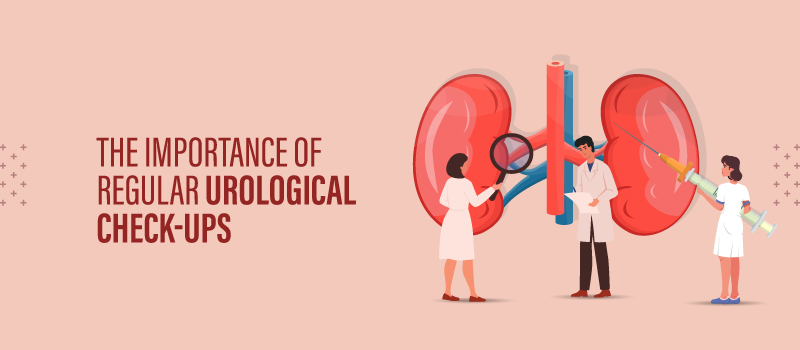

The Importance of Regular Urological Check-Ups

Table Of Contents

  • Understanding Urological Health
  • Common Urological Challenges
  • Symptoms To Look Out For
  • Advantages of Regular Urological Check-Ups
  • Who Requires Regular Urological Check-Ups?
  • What To Expect During Urological Check-Ups
  • Conclusion

Maintaining a healthy body includes more than just watching calories and engaging in physical exercise every day. It means focusing on your overall health, including urological health, which often gets overlooked. This leads to the development of more serious urological issues, which, in a lot of cases, can be prevented by early mitigation. As such, regular urological check-ups are essential. Here we will examine what exactly a urological check-up is, what to expect, how it is beneficial, and more, in detail.

Understanding Urological Health

Urological health refers to the health of the reproductive system and the urinary tract, which consists of multiple organs, including the urethra, urinary bladder, ureters, and the kidneys. These organs are required by the body to function in sync in order to effectively eliminate waste from the body. In men’s health, urological health also focuses on the reproductive organs, including the prostate gland, testes, and other organs.

Urological health plays an important role in not just waste elimination, but also maintaining the balance of hormones, as well as the health of the reproductive system. Although men and women are both at risk of developing issues, men are often at a higher risk of developing urological issues.

Common Urological Challenges

There are a number of common issues that can impact your urological health. Some of the most common ones are the following:

  • Kidney stones: Kidney stones are mineral deposits in the kidney that the urinary tract is unable to eliminate from the body.
  • UTIs: Urinary tract infections, or UTIs, are another very common urological health challenge. This occurs most commonly in women and causes immense discomfort.
  • Bladder Cancer: Bladder cancer is a very challenging disease which can potentially be detected early through regular urological check-ups. This increases the chances of a successful treatment.
  • Prostate Cancer: Prostate cancer mostly affects men and is another critical illness that can be potentially detected early and treated through regular urological check-ups.

Symptoms To Look Out For

If you experience the following symptoms, you must get a urological check-up as soon as possible:

  • Frequent urination
  • Hematuria or blood in the urine
  • Painful or burning sensation when urinating
  • Lower back or pelvic pain
  • Challenge in starting urination stream
  • Sudden weight loss, fever, or fatigue

These symptoms can indicate a urological issue and must be examined for a conclusive diagnosis and treatment.

Advantages of Regular Urological Check-Ups

Regular urological check-ups provide a bundle of benefits, including the following:

  • Detecting Critical Issues Early: One of the biggest advantages of regular urological check-ups is that critical issues can be detected early, increasing the chances of success of the treatment plan.
  • Easier Management of Health: Managing health conditions such as BPH or frequent UTIs is simplified by regular urological check-ups and monitoring of the symptoms.
  • Preventive Healthcare: Remaining regular with your urological check-ups means that you can practice preventive care for your health effectively. It helps in identifying potential risks and taking preventive actions like lifestyle changes to prevent the risks from affecting you.

Why Requires Regular Urological Check-Ups?

Although it is advisable that everyone get a regular urological check-up, the following categories of people should ensure they make regular urological check-ups a habit:

  • People over 40 years of age, as they are at a higher risk of developing urological disorders, issues, and diseases.
  • Easier Management of Health: Managing health conditions such as BPH or frequent UTIs is simplified by regular urological check-ups and monitoring of the symptoms. Women who are in the postmenopausal phase of their lives as the hormonal changes can lead to significant urological problems such as UTIs.
  • Individuals who have a family history of developing urological issues like cancers must incorporate regular urological check-ups into their health examination routine.
  • Individuals who suffer from comorbidities such as diabetes, high blood pressure, obesity, etc., are always at a higher risk of developing urological issues, which makes it essential to get regular urological check-ups.
  • Individuals who suffer from repeated issues such as UTIs can develop serious conditions and can benefit from regular monitoring, as it helps identify any underlying challenges as well as take preventive care measures.

What To Expect During Urological Check-Ups

Before going for a urological check-up many people are nervous about what would happen, which happens because of lack of awareness. Here’s what you can expect:

  • Review of your medical history: The doctor will consult with you regarding your medical history, family history, and any symptoms which may have warranted the check-up.
  • Examination: The doctor will then perform a physical examination, which can include a general examination as well as a digital rectal exam.
  • Tests: Urine and blood tests would also be performed to check for any infections and markers for more serious diseases.
  • Imaging: Imaging tests like an ultrasound, CT scans, X-rays, and others may be recommended based on the case requirements.
  • In certain cases, the doctor may also order specialized tests such as a cystoscopy if they suspect any serious issue.

Overcoming the common barriers that prevent people from getting urological check-ups is essential to ensure optimal urological health. The right doctors can help you overcome these fears and embarrassment and achieve peace of mind in the fact that your urological health is perfect.

At AINU, we help you overcome any barriers that are holding you back from getting urological check-ups. Our experienced doctors help assess all your symptoms and guide you about the best preventive care measures. The in-depth knowledge and expertise that our doctors bring ensure that every one of our patients receives dedicated and expert care at our hospital. We are dedicated to helping you maintain proper urological health with our world-class facilities.

Conclusion

Urological health is often overlooked by people unless they feel significant challenges. A large number of people suffer from urological issues and yet do not incorporate regular urological check-ups into their health assessment routine. This can lead to long-term harmful impacts and lead to serious urological issues like prostate cancer and bladder cancer to grow due to lack of monitoring. To prevent such issues from causing immense harm to the body, it is essential to get regularly checked. Connecting with the AINU team is the place to start your journey towards achieving optimal urological health.

Paediatric PCNL for Kidney Stones: A Parent’s Guide from AINU Hospital

Table Of Contents

  • What Is PCNL Surgery for Children?
  • How PCNL Surgery for Children Works
  • The Best Hospital for Pediatric PCNL
  • Conclusion

Living busy lives, following unbalanced lifestyles, and being surrounded by polluted environments and consistent irritants has led children to develop ailments like kidney stones, which were unheard of (in children) a few years ago. Where some small stones are passed naturally, bigger ones may require surgical treatment such as PCNL surgery for children. This is a minimally invasive surgical procedure that helps eliminate stones from children’s kidneys and is highly effective.

What Is PCNL Surgery for Children?

Percutaneous nephrolithotomy surgery, abbreviated as PCNL, is a procedure used for removal of large kidney stones. It is a minimally invasive treatment option and is suitable for children also. The procedure involves making a tiny cut or incision on the back. Through this cut, a narrow tube is inserted into the kidney, and with the help of a small endoscope and energy source like laser , the kidney stones are broken and extracted. Since the incision made is very small, post-procedure recovery is relatively faster, with minimal pain and scarring afterwards. In fact, the time to recover fully is also minimized.

The procedure is used for treating large kidney stone burden in children because, in these situtaions, medications typically prove to be unhelpful. However, for smaller and uncomplicated stones, conservative and non-surgical treatments are still used. The use of paediatric PCNL for kidney stones also comes with a high stone free rate, going up to 95% for children, enabling them to make quick recoveries and return back to their normal lives in roughly a week.

Apart from PCNL, there are many other treatment options of a non-surgical nature to address kidney stone removal in kids. These include methods like:

  • Conservative management systems, which include increasing the intake of fluids to flush out the stones, changing the diet by minimizing intake of salt and oxalate-rich foods, and prescribing medicines that help regulate pain and enable smooth passing of the stones.
  • Another method used to treat kidney stones in children includes ESWL, or extracorporeal shock wave therapy, which sends shock waves into the kidney for breaking down the stone into tiny fragments that can be passed naturally. However, this treatment path can require multiple sittings.

However, it must be remembered that these pediatric kidney stone treatment options are only suitable for smaller stones, while PCNL is suitable for treating larger kidney stones.

How PCNL Surgery for Children Works

The PNCL surgery is a relatively simple treatment procedure that is performed in a step-by-step manner. In this section we will understand these steps, which help ensure that the treatment goes on smoothly, with minimal discomfort to the child and maximum potential for success.

Pre-Surgery Assessments

Before the surgery is performed or even recommended, the doctors will assess the child’s condition to chart the ideal path of treatment. Pre-assessment tests, including imaging tests like CT scans, ultrasounds, and x-rays, are performed to find the position of the stones. Apart from these, blood testing and urine tests are performed for analysing kidney function and the potential for developing an infection. The doctors then share their findings with the family, suggesting the right course of treatment, and setting a schedule for the surgery where needed.

Performing Surgery

The minimally invasive kidney stone surgery for children process involves creating a small, roughly 1 cm incision on the back. Through this incision, a small endoscope is passed into the kidney by means of a thin tube. This endoscope offers visibility of the stone while laser or ultrasound energy is used in a targeted manner to break down the large stone into small pieces. These small pieces of the stone are carefully removed from the kidney. Thereafter, the endoscope and tubes are removed, and the incision is sutured with a single suture . A small ureteral stent,may sometimes be placed during the surgery for enabling the urine and small residual stone fragments to pass into bladder without hindrance.

Post-Surgery Recovery

After the procedure is completed, based upon the individual case scenarios, the doctors may recommend staying admitted to monitor recovery and healing. Post this period of recovery, the child will be discharged with the advice that they may experience some mild pain and discomfort for seven to ten days after which they can gradually return back to their normal activities.

Signs to Notice in Children

Parents with young children need to pay attention to some warning signs of kidney stones, which can help in ensuring the right care is provided at the right time. If your child experiences the following symptoms, consult a pediatric urologist at the earliest:

  • Persistent and recurrent pain in the abdominal area, sides, and back.
  • Presence of blood in urine
  • Recurring UTIs
  • Pain during urination

If your child complains about any of these symptoms, the best course of action is to get them tested by a pediatric urologist.

The Best Hospital for Pediatric PCNL

For parents, finding the best urology hospital for pediatric kidney stone treatment isof utmost priority to ensure their child gets the best care to take care of kidney stones. This is where we at AINU hospital come forward as the answer. With AINU hospital kidney stone treatment, your child is in safe hands as our paediatric urologists emphasize precision and empathy for a hassle-free treatment. Our team of pediatric urology specialists in India offers every child the chance to live their life to the fullest by carefully treating kidney stones with the utmost care. With extensive experience and a track record of successful procedures, our experts know how to best handle even the most sensitive of cases, ensuring your child experiences minimal pain and recovers quickly.

Conclusion

Kidney stones are an increasingly common concern among children due to a number of factors such as unbalanced and improper lifestyle habits, poor diets and inadequate fluid intake, among others. To treat this issue, timely intervention is essential by the right professionals, who can assess the severity of the kidney stones and recommend the right course of action to treat it. While in most cases the stone can pass out naturally, in cases where it is large, surgical procedures like PCNL may be needed.

Kidney Stones in Children: A Growing Concern Parents Should Know About

Table Of Contents

  • What Is a Reconstructive Urology Procedure?
  • Common Types of Urology Reconstructive Surgery
  • What Is the Most Common Surgery for a Urologist?
  • What Is Reconstructive Bladder Surgery?
  • What Is the Success Rate of Bladder Reconstruction Surgery?
  • Pelvic Health Benefits of Reconstructive Urology
  • Why Choose the Asian Institute of Nephrology and Urology?
  • Frequently Asked Questions

When we think of kidney stones, we usually picture adults doubled over in pain. But did you know that kidney stones in children are becoming increasingly common? This condition, once rare in kids, is now being diagnosed more frequently in infants, school-aged children, and teens alike.

The rise in kidney stone cases has caught the attention of parents and healthcare professionals around the world. Diet, hydration, lifestyle, and genetic factors all play a role; and awareness is the first step in protecting your child’s health.

In this article, we’ll explore the causes, symptoms, diagnosis, and treatment options for kidney stones in children. You’ll also find answers to common questions, when to see a pediatric urologist, plus practical prevention tips you can start using today.

Can children get kidney stones?

Yes, children can absolutely develop kidney stones. Though once considered an adult-only issue, pediatric urologists now report an increasing number of cases each year. Children of all ages, from toddlers to teens, can experience stones in the kidneys or urinary tract.

Early diagnosis is important, as untreated stones can lead to infections, blockages, or long-term kidney damage.

What causes kidney stones in children?

There isn’t one single cause, rather, several factors can contribute:

  1. Dehydration: One of the most common causes. Many kids don’t drink enough water, especially during play or sports. Less fluid in the body means minerals and salts can crystallize in the kidneys, forming stones.
  2. Dietary habits: High salt intake, sugary drinks, processed foods, and too much animal protein all increase stone risk. Unfortunately, these are common elements in many children’s diets today.
  3. Family history: If a parent or sibling has had kidney stones, the chances rise significantly.
  4. Medical conditions: Certain metabolic issues (like hypercalciuria), urinary tract abnormalities, and chronic infections can predispose children to stone formation.
  5. Obesity: Excess weight is linked to a higher risk of kidney stones in children, as well as other urological problems.

What are the symptoms of kidney stones in children?

Recognizing the signs early can make all the difference. Watch for:

  • Sharp or cramping pain in the side, abdomen, or lower back
  • Blood in urine (pink, red, or brown color)
  • Nausea or vomiting
  • Frequent urge to urinate or pain while urinating
  • Restlessness, irritability, or discomfort (especially in younger children)
  • Fever or chills if infection is present

Not all stones cause pain right away. Sometimes the first sign may be blood in the urine during a routine checkup. If your child shows any of these symptoms, consult a pediatric urologist promptly.

How are kidney stones diagnosed in kids?

Pediatric diagnosis requires a gentle, child-friendly approach. The typical process includes:

  • Medical history & physical exam: This helps identify dietary risks, genetic links, or underlying conditions.
  • Urine tests: To check for crystals, blood, infections, and chemical imbalances.
  • Blood tests:These assess calcium, phosphorus, uric acid, and other markers linked to stone risk.
  • Imaging:Ultrasound is often the first choice because it avoids radiation. If more detail is needed, a low-dose CT scan may be used.

A skilled pediatric urologist can interpret the results and recommend the best course of action based on your child’s unique needs.

Are kidney stones in children dangerous?

They can be. While some stones pass naturally, untreated stones can lead to complications:

  • Pain and discomfort
  • Urinary tract infections
  • Blockage of urine flow, which can damage the kidneys
  • Recurrent stones if prevention isn’t addressed
  • Chronic kidney disease (rare, but possible with repeated untreated stones)

The good news? With prompt care and good follow-up, most kids recover fully. Seeing an experienced pediatric urologist ensures that your child’s kidneys stay healthy and strong.

How are kidney stones in children treated?

Treatment depends on the size, type, and location of the stone, and on your child’s age and overall health. Options include:

  • Increased fluids: Encouraging your child to drink plenty of water helps flush out small stones naturally.
  • Pain management: ver-the-counter pain relievers may be recommended during stone passage.
  • Medical therapy: In some cases, medications can help dissolve certain types of stones or prevent new ones from forming.
  • Minimally invasive procedures:

    Extracorporeal Shock Wave Lithotripsy (ESWL) uses sound waves to break stones into smaller pieces that can be passed more easily.

    Ureteroscopy involves using a small scope to locate and remove or break up the stones.

    Percutaneous nephrolithotomy may be used for larger or complex stones, through a tiny incision in the back.

The goal is always to relieve symptoms quickly while preserving kidney function, with as little discomfort and downtime as possible.

How to prevent kidney stones in children?

Once a child has had one stone, they are more likely to develop another. Prevention is key! Here’s what parents can do:

  • Promote good hydration: Water is the best drink, sugary sodas and juices can make things worse. Teach kids to drink regularly throughout the day.
  • Encourage a balanced diet: Low-sodium, high-fiber meals with fruits and vegetables help prevent stone formation.
  • Limit salty, processed, and high-oxalate foods (like chips, fast food, spinach, and chocolate) when needed.
  • Promote a healthy weight and active lifestyle:Obesity is a risk factor.
  • Stay on top of medical follow-ups: Regular check-ins with a pediatric urologist help monitor kidney health and catch any new issues early.

Why choose the Asian Institute of Nephrology and Urology?

When your child’s health is at stake, you want the best care possible. The Asian Institute of Nephrology and Urology (AINU) offers expert treatment for kidney stones in children, led by a team of experienced pediatric urologists. Our child-friendly approach, advanced technology, and compassionate staff ensure your little one is in good hands, from diagnosis to recovery.

If your child shows signs of kidney stones or has been diagnosed already, don’t wait. Book an appointment with our specialists today, early action can protect your child’s kidney health.

Frequently Asked Questions

1. Can children get kidney stones?

Yes, kidney stones in children are increasingly common today, especially due to dehydration and poor dietary habits.

2. What causes kidney stones in children?

They can be caused by lack of water, poor diet, genetics, certain medical conditions, and obesity.

3. What are the symptoms of kidney stones in children?

Common signs include abdominal pain, blood in urine, nausea, and pain when urinating.

4. How are kidney stones diagnosed in kids?

Doctors use urine and blood tests, along with imaging (typically ultrasound), to identify kidney stones.

5. Are kidney stones in children dangerous?

If untreated, they can lead to infections or kidney damage. With proper care, most cases are resolved safely.

Managing Men’s Health: Prostate, Andrology, and Testicular Care Explained

Table Of Contents

  • Why Men’s Health Needs Attention
  • Understanding Andrology: Men’s Reproductive Health
  • Prostate Care: A Key Part of Men’s Health
  • Common Health Issues in Men
  • Health Tips for Men: Proactive Steps for Wellness
  • The Importance of Men’s Health Awareness

As men age, their health needs change, especially when it comes to men’s reproductive health. However, many men delay check-ups, ignoring potential problems until they become severe. With Men’s Health Awareness Month (popularly known as Movember) spotlighting the importance of men’s wellness, it’s time to take a proactive approach to health. AINU is proud to support men’s health awareness with our theme #StrongMenGetChecked, encouraging men to prioritize their well-being, especially when it comes to andrology problems and prostate care.

Why Men’s Health Needs Attention

Men’s health is often an overlooked area, yet it’s vital. Research shows that men are less likely to visit the doctor regularly, delaying diagnosis and treatment of potential health issues. The stigma around men’s health and vulnerability prevents many men from seeking help for common andrology problems like erectile dysfunction, infertility, and prostate issues. Let’s look at some key areas of men’s health and why regular check-ups are essential.

Understanding Andrology: Men’s Reproductive Health

Men’s reproductive health covers a wide range of conditions, from hormone imbalances to fertility challenges. Andrology is the branch of medicine dedicated to understanding and treating these issues, similar to how gynecology serves women. AINU Hospital offers comprehensive andrology services, with specialized treatments for erectile dysfunction, low testosterone levels, male infertility, and more.

It’s crucial to address these problems early. Many conditions, such as low testosterone, can affect a man’s energy, mood, and overall well-being. Additionally, untreated reproductive health issues can impact relationships and mental health. The sooner a man seeks care, the better his chances for successful treatment.

Prostate Care: A Key Part of Men’s Health

The prostate is a small gland that plays a big role in a man’s reproductive system. Located just below the bladder, the prostate produces fluid that nourishes and protects sperm. However, the prostate is also prone to a range of issues, especially as men age. By age 50, many men experience benign prostatic hyperplasia (BPH), a condition where the prostate enlarges, causing urinary symptoms.

Prostate care is essential for men’s long-term health, as prostate issues are common and, in some cases, can indicate serious health risks. Men should consider routine prostate exams, especially if they are over 50 or have a family history of prostate disease. Early detection and prostate management can help prevent complications, including urinary problems and even prostate cancer.

Common Health Issues in Men

AINU Hospital’s experienced specialists address a variety of andrology problems and prostate concerns. Here are some of the most common issues men should be aware of:

  • Benign Prostatic Hyperplasia (BPH): BPH is a non-cancerous enlargement of the prostate that can make it difficult to urinate. Men with BPH often experience a weak urinary stream, a frequent urge to urinate, and trouble starting or stopping urination. Managing BPH early can greatly improve quality of life, as medications and other treatments can help reduce symptoms.
  • Prostatitis: Prostatitis is inflammation of the prostate gland, which can be caused by infection or other health conditions. Symptoms include pain in the pelvic area, painful urination, and flu-like symptoms. Treatment often involves antibiotics and, in some cases, physical therapy. Staying proactive with prostate care can prevent chronic issues associated with prostatitis.
  • Erectile Dysfunction (ED): ED is a common condition that impacts a man’s ability to achieve or maintain an erection. While it can be an uncomfortable topic, ED is often treatable. ED may be caused by psychological factors, poor circulation, or underlying health issues like diabetes. Men experiencing ED are encouraged to consult an andrologist to find effective treatment options.
  • Male Infertility: Male infertility can be distressing for men and couples trying to conceive. Low sperm count, poor sperm motility, and hormonal imbalances are common causes. Specialists can diagnose the underlying causes and offer solutions to improve fertility.
  • Prostate Cancer: Prostate cancer is one of the most common cancers among men. Early stages of prostate cancer often have no symptoms, which is why regular screening is essential. A prostate-specific antigen (PSA) blood test and digital rectal exam can detect potential problems early, leading to better treatment outcomes. Early prostate management is key to preventing cancer from spreading and improving survival rates.
  • Testicular Cancer: Testicular cancer is a less common but highly treatable cancer, especially when detected early. Symptoms include a lump or swelling in the testicle, pain or discomfort in the scrotum, and a feeling of heaviness in the groin area. Regular self-examinations and prompt medical attention for any abnormalities are crucial.

Health Tips for Men: Proactive Steps for Wellness

Health tips for men can go a long way in maintaining overall wellness. Men should focus on incorporating a few essential habits:

  • Get Regular Check-ups: Don’t wait for symptoms to appear. Regular check-ups, including routine blood work, prostate exams, and discussions about any men’s reproductive health concerns, can catch potential issues early.
  • Exercise and Stay Active: Physical activity supports cardiovascular health, boosts mood, and helps maintain healthy testosterone levels. Aim for at least 30 minutes of moderate exercise daily.
  • Eat a Balanced Diet: A diet rich in fruits, vegetables, lean protein, and whole grains can improve energy levels, heart health, and even sexual health.
  • Limit Alcohol and Quit Smoking: Alcohol and tobacco can negatively impact reproductive health and increase the risk of prostate issues. Quitting smoking and limiting alcohol can help improve both short- and long-term health outcomes.
  • Manage Stress: Mental health is as important as physical health. Chronic stress can lead to various health problems, including ED and low testosterone. Finding ways to relax and unwind—whether through exercise, meditation, or hobbies—can support both mental and physical well-being.

The Importance of Men’s Health Awareness

Men’s health awareness goes beyond individual health; it’s about creating a culture where men feel empowered to seek help. By bringing attention to conditions like prostate disease, erectile dysfunction, and infertility, Men’s Health Awareness Month encourages men to take control of their health. Movember is a powerful reminder that men’s wellness matters, and AINU Hospital is committed to helping men take that first step.

Our theme, #StrongMenGetChecked, emphasizes that strength lies in action. Men who proactively monitor their health and address issues early are more likely to enjoy long-term wellness. With advancements in medicine, men have access to innovative treatments for andrology and prostate management that can improve quality of life.

AINU’s Commitment to Men’s Wellness

AINU offers a specialized approach to andrology problems and all urological care for men including Prostate, Testicular care , with state-of-the-art facilities and a compassionate team dedicated to men’s wellness. Our Urology and Andrology departments provide treatments tailored to individual needs, ensuring that men have access to the best care available. We understand the sensitive nature of men’s health issues, and our team is trained to provide discreet, professional support to help men feel comfortable discussing and managing their health.

This Movember, let’s make men’s health a priority. Encourage the men in your life to get regular check-ups, talk about their health concerns, and embrace the proactive approach needed for long-term wellness. #StrongMenGetChecked

Difference Between Sperm and Semen

Table Of Contents

  • What Is Semen?
  • What Is Sperm?
  • Conclusion
  • FAQs

Many people seem to think that sperm and semen are the same thing. As such, they use these two terms interchangeably. However, both of them are quite different, in more ways than one. Both semen and sperm are equally important for reproduction; however, both of them play a distinct role in the process of reproduction, defined by their unique characteristics, properties, and core functions. In this article, we will learn what both of them are and what is the difference between sperm and semen, in addition to other pertinent information about both components.

To understand the differences between both semen and sperm, it is essential to understand what each of them is. Let’s understand what they are.

What Is Semen?

Semen is the fluid that is produced and ejaculated when a male experiences an orgasm. It travels through the reproductive organs of the male, acting as the medium through which sperm as well as other components are sent to the reproductive system in females. Semen contains a variety of fluids that are produced by different glands, and sperm is one component contained in it.

So what does semen contain? There are two main components that, when combined, form semen. The first component is the sperm, which are responsible for fertilizing an egg or ovum in the female reproductive system. The second component is plasma, which is basically a combination of various secretions that have been produced in different glands. Most prominently, seminal plasma is made of seminal vesicles, enzymes, zinc, and citric acid secreted from the prostate gland, and pre-ejaculate fluid, which is secreted from the cowper’s glands.

What Is Sperm?

Sperms in semen are the cells, which are also known as spermatozoa. These are the cells that carry genetic material and are responsible for fertilizing the eggs produced by females, leading to the formation of a fetus. The genetic material contained in sperm is the information that is needed for creating new life, combined with the genetic material brought by the female egg.

Sperm is made up of a nucleus, which is located in its head and is full of male DNA. Apart from this, it is also made up of a structure that resembles a cap, located over the head of the sperm, which contains all the enzymes that are needed for penetrating into the egg. This is known as acrosome. Beyond these, sperm also contains mitochondria, which produce the energy needed to power the tail, improving motility, as well as the tail itself, which is known as a flagellum.

If you have ever wondered why sperm is sticky, it is mainly the semen, which is sticky because of the secretions made by the seminal vesicles and prostate glands, which contain a lot of enzymes and proteins. This stickiness plays an essential role for biological processes such as reproduction because it allows the semen (and, by extension, the sperm) to attach to the walls of the vagina and the cervix, thereby minimizing the likelihood of the semen being removed from the reproductive system.

With regards to concerns like how many sperm does a man has, there is no one single answer, as several factors come into play and determine how much sperm a particular male produces. The production of sperm is constant, and males can produce sperm from the start of puberty through their entire lives. However, here’s a relative breakdown:

  • On a daily basis, males can produce several million sperm every day, going up to roughly 100 million sperm each day. It is essential to note that this number reflects the capacity of a healthy male.
  • Once produced, sperm can stay alive within the male’s reproductive system for only a few weeks. However, once it reaches the female reproductive system, it can only survive for a few days. It can either fertilize the egg within this duration or simply expire.
  • In terms of volume per ejaculation, a single ejaculation can range from 1.5 to 5 milliliters, and in every milliliter, there can be between 5 million and 200 million sperm.

Conclusion

Sperm and semen are two very different components that are both very important for the process of reproduction. Whereas sperm is responsible for the creation of life by fertilizing the ovum produced by the female reproductive system, semen contains sperm as well as seminal fluid, which is responsible for carrying the sperm into the female reproductive tract. Without semen, sperm would not be able to successfully reach and stay within the female system, which can directly hamper the ability to reproduce. If you wish to learn more about sperm and semen, connect with us at AINU.

AINU Celebrates Landmark Achievement: 1000 Robotic Surgeries Transforming Urology and Nephrology Care

Table Of Contents

  • Overview
  • Robotic Surgeries for Enhanced Patient Care
  • Advantages Over Traditional Methods
  • Accelerated Recovery and Increased Productivity
  • Addressing the Rising Challenges
  • Future Prospects and Integration of Artificial Intelligence
  • AINU’s Dedication to Excellence
  • Conclusion

AINU Celebrates Landmark Achievement: 1000 Robotic Surgeries Transforming Urology and Nephrology Care

In a groundbreaking announcement, the Asian Institute of Nephrology and Urology (AINU), a proud member of the AHH healthcare network, has reached a monumental milestone by completing 1000 robotic surgeries in the fields of Urology, Uro-Oncology, and Nephrology. This remarkable achievement solidifies AINU’s position as a leader in advanced Uro-Nephro care, employing cutting-edge technology to enhance patient outcomes.

Robotic Surgeries for Enhanced Patient Care

The 1000 robotic surgeries encompassed a spectrum of procedures, including the treatment of Kidney Cancer, Prostate Cancer, Bladder Cancer, and reconstructive urology. Dr. C. Mallikarjuna, Chief Consultant Urologist & Managing Director at AINU, highlighted the benefits of robotic surgery for patients. The precision and dexterity offered by robotic-assisted surgical systems result in improved clinical outcomes, reduced postoperative discomfort, lesser blood loss, and faster recovery times.

Advantages Over Traditional Methods

Dr. Mallikarjuna emphasized how patients undergoing robotic surgery experience consistent urination patterns post-prostatectomy, eliminating the discomfort of bladder control. Additionally, in kidney cancer cases, robotic surgery allows for targeted tumor removal while preserving the majority of the kidney, contrasting traditional methods that might require complete kidney removal.

Accelerated Recovery and Increased Productivity

The accelerated recovery times associated with robotic surgery not only contribute to improved patient well-being but also result in higher productivity. Patients undergoing general surgery often face more extended periods of rest before returning to work, whereas those undergoing robotic surgery can resume their work activities sooner.

Addressing the Rising Challenges

With urological cancers on the rise, especially prostate cancer, AINU’s milestone achievement is particularly significant in the Indian healthcare context. The hospital’s commitment to staying at the forefront of robotic surgery advancements aligns with the increased detection of genitourinary system cancers at early stages due to enhanced screening programs and improved cancer awareness.

Future Prospects and Integration of Artificial Intelligence

Dr. P.C. Reddy, Senior Urologist & Executive Director at AINU, shed light on the future of robotic surgeries, emphasizing their crucial role in complicated surgical cases. He anticipates that artificial intelligence will further enhance the capabilities of surgical robots, allowing for more precise analysis of surgical procedures globally. This collaboration between human surgeons and robots is poised to bring about cost benefits for patients in the future.

AINU’s Dedication to Excellence

As AINU continues to lead in robotic surgery advancements, the hospital remains dedicated to ongoing research, training, and collaboration. The aim is to ensure that patients receive the most advanced and compassionate care, solidifying AINU’s position as India’s largest single specialty hospital network in Urology & Nephrology.

Conclusion

AINU’s celebration of 1000 robotic surgeries marks a significant milestone in the evolution of Uro-Nephro care in India. The hospital’s commitment to excellence, coupled with the integration of cutting-edge technology, highlights a future where robotic surgeries and artificial intelligence collaboratively contribute to improved patient outcomes and cost-effective healthcare solutions.

What is a Varicocele, and how does it affect Male Fertility?

Table Of Contents

  • Understanding Varicocele
  • Grades of Varicocele
  • Relation to Infertility
  • Conclusion
  • FAQs

Varicocele is a relatively common condition, affecting roughly 15% of men, where the veins of the scrotum start bulging out, resembling varicose veins that impact the legs. If you wonder what is varicocele, and if it has an impact on fertility, the answer is yes. Varicocele is one of the causes behind male infertility, although it is not necessary that it lead to male infertility.

Varicoceles usually develop as a consequence of poor functioning of the valves that are found in the veins in this region, and in this article we will learn more about them in detail.

Understanding Varicocele

The scrotum is the part of the body that contains the testicles. When the veins of this loose bag of skin enlarge, it is known as varicocele. It is known to cause infertility among men; however, it is one of the things that can potentially cause it, depending upon the grade and many other variables. The exact cause behind its occurrence is not clearly known; however, varicocele can be treated only through surgery such as microsurgical Varicocele repair or embolization. Varicocele usually develops over a period of time and can impact adolescents as well.

Grades of Varicocele

Varicocele occurs in three clinical Varicocele grades commonly: grade 1, grade 2, and grade 3. Each of these is more severe than the previous, presenting more adverse symptoms and challenges for the patient. The varicocele grade 1 effects are the least severe and can often go unnoticed. Its detection usually requires using a technique known as the Valsalva maneuver. Grade 2 varicocele is one level up, refers to when the enlargement is sized moderately, and can be detected by touch. Grade 3 is the most severely enlarged size of veins and does not need any special technique for detection. Such enlargement is very clearly visible through the skin of the scrotum.

Each of these grades of varicocele causes a lot of pain and discomfort to the patient, which can be observed in the form of very dull pains that increase with physical activity or even if one has been standing up for too long. Apart from this, issues such as atrophy of the testicles, which refers to the shrinkage of the testicles and their becoming soft, can be experienced by certain patients as well. This happens because the sperm gets damaged, which leads to the production of tubules. Lastly, imbalance of the hormones is one of the common varicocele side effects that men can experience if they have any of the grades of varicocele.

Depending on the grade and other factors, the treatment options for varicoceles can vary for every patient. While some may be recommended medication to overcome the pain and discomfort, others may need to undergo a surgical procedure. Similarly, people for whom varicoceles have been detected early can also be recommended some changes in lifestyle, which can help improve the condition. In such cases, modifications such as not standing for too long, weightlifting, and other measures may be recommended, along with recommendations on the kind of underwear to wear.

Relation to Infertility

Varicoceles is known to lead to infertility among men who experience it. Although it is not absolute infertility and can be improved or prevented to some degree depending upon the particular variables of each case and the grade of varicoceles, there will be an impact on normal fertility among men. Varicocele infertility can occur because of any of the following impacts of the ailment:

  • Varicoceles can cause the temperature of the scrotum to rise significantly, which is a known reason behind the decreased production of sperm in the testicles. Even if it does not hamper production of the sperm, it can impair their functioning, thereby leading to infertility.
  • Varicoceles can also lead to a condition within the testicles known as oxidative stress. As a result, the level of reactive oxygen species in the testes is increased, which in turn damages the sperm DNA, leading to infertility.
  • Another way in which varicoceles cause infertility in men is by impairing the flow of blood in the testicles, which in turn leads to a decrease in the oxygen levels within the testicular tissue. This, in turn, impacts the production of sperm, leading to infertility.

Conclusion

If you are experiencing any of the symptoms associated with varicocele, it is advisable that you consult with a professional at AINU at the earliest. Our expert professionals can help you overcome the issues associated with varicocele based on your particular needs. With us, you can prevent the harmful effects of varicocele and live a full life, worry-free.

A detailed Guide To Male Infertility – The Missing Part Of The Equation

Table Of Contents

  • Overview
  • What causes infertility in males?
  • Evaluation of Male Infertility?
  • How to prevent infertility in males
  • Which doctor to consult for male infertility?
  • Treatment of male infertility
  • Conclusion

In 2019, a study revealed that in around 50% of infertility cases in India, male infertility is the reason. The prevalence of male infertility in India is 23%, according to WHO.

We cannot deny that these are startling statistics. They point at health and lifestyle problems that need immediate attention. To help you understand male infertility better, we have created this detailed guide for you.

What causes infertility in males?

Infertility in men could be the congenital, acquired and idiopathic. Congenital causes undescended testis, chromosomal abnormalities like Klinefelter syndrome, Kallman syndrome, congenital bilateral absence of vas and Y chromosome microdeletion. Acquired causes are testicular injury, torsion, tumours, infections, erectile dysfunction, surgeries, radiation, chemotherapy etc. Idiopathic causes are smoking, alcohol, chronic health problems, varicocele and dietary habits.

Evaluation of Male Infertility?

Evaluation starts with proper history (infertility, sexual, medical surgical, family) and physical examination. Investigations CBC, RFT, Glycemic profile, Lipid profile, hormonal profile (testosterone, LH, FSH, TSH, prolactin) and semen analysis. Imaging includes scrotal doppler USG and transrectal USG/MRI pelvis. Special investigations are post ejaculatory urine analysis, antisperm antibodies, sperm DNA fragmentation, Karyotyping and genetic testing.

How to prevent infertility in males

If the reason is congenital, it can be hard to prevent infertility, but if the reason is lifestyle, illness, or injury, there are a few steps you can take:

  • Maintain healthy BMI
  • Avoid unhealthy indulgences such as alcohol and tobacco
  • Avoid wearing tight undergarments
  • Eat healthy, balanced, and nutritious food
  • Ensure that your immunity is high by exercising and maintaining a fit lifestyle
  • Adequate sleep

Which doctor to consult for male infertility?

You should first visit an Andrologist/Urologist for comprehensive evaluation. Although in most cases, the male abnormalities are detected during evaluation of the partner by the gynaecologist, male partners should be referred to the specialists when there is.

  • Abnormality identified in basic evaluation (Semen analysis / Hormonal)
  • Couples with unexplained infertility (male and female investigations normal)
  • Couples failing to conceive despite successful treatment of female factor
  • Patients about to undergo gonadotoxic treatment (chemotherapy/radiotherapy) who might desire future fertility

Treatment of male infertility

Depending on the cause, the andrology doctor may suggest any of the following treatments:

  • Antibiotics : Antibiotics are prescribed if there’s an infection in the reproductive tract.
  • Counselling and medication : This course of treatment is suggested to help with erectile dysfunction, sexual dysfunction, and premature ejaculation.
  • Hormonal replacement : Abnormal levels of certain hormones can cause infertility. To tackle that, the doctor may suggest hormone replacement therapy or medications.
  • ART : Assisted Reproductive Technology is used for in vitro fertilization. Surgical extraction of the sperm (TESA, m-TESE, MESE) may be carried out in this process if normal ejaculation is difficult.
  • Surgery : A conditions where obstruction is diagnosed may require surgery, such as vasovasostomy, vasoepididymostomy, TURED and microsurgical varicocele repair.

Conclusion

At AINU, we have world-class Andrologist/ Urologists in hyderabad who will help you overcome these problems by recommending the best form of treatment.

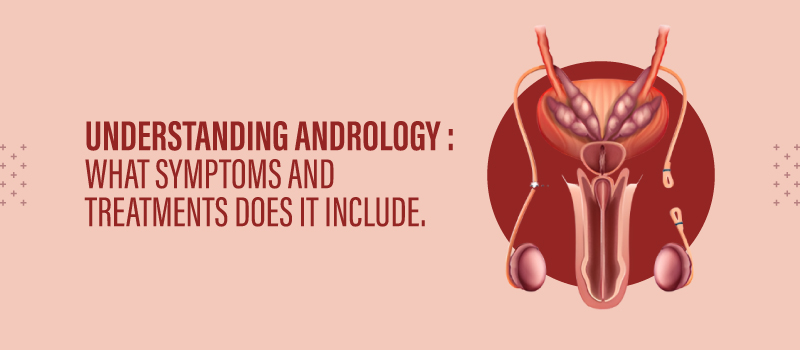
Understanding Andrology : What symptoms and Treatments does it include.

Men are not always quick to talk about their health. Especially not the kind of health that involves private parts, sexual performance, or fertility. They feel awkward, almost embarrassed. Many end up waiting years before asking for help, and by then the problem has already changed the way they live. That’s where andrology comes in. It’s a branch of medicine that deals with male health, particularly the reproductive system and related conditions. The good news is that most of these problems have solutions, but only if men take the first step. Recognizing andrology symptoms and learning about andrology treatment options can make the path much clearer.

So, what exactly is andrology?

The simplest way to explain it: if gynecology is for women, andrology is for men. Doctors in this field deal with things like infertility, erectile dysfunction, low testosterone, prostate problems, and other conditions tied to the male reproductive system. It isn’t only about sexual health. It’s also about hormones, genetics, and even how age affects men differently. Some men only discover the word “andrology” when they start struggling to conceive with their partner. For others, it’s when they notice changes in their body or energy levels. Either way, this field is about understanding and solving those problems.

Symptoms that point toward a problem

The tricky part with andrology symptoms is that they don’t always arrive loudly. Sometimes they creep in slowly. One of the first warning signs is trouble in the bedroom, erectile problems, lack of interest in sex, or issues with ejaculation. Fertility is another. Couples trying for a child may find that difficulty in conceiving is the push that finally leads them to a doctor. Hormonal imbalance, on the other hand, can look like fatigue, mood swings, weight gain, or muscle loss. A man may not link these issues to testosterone at first, but blood tests often tell a different story. More serious signals include testicular pain, swelling, or lumps. These should never be ignored. Then there are urinary symptoms: going to the bathroom too often, pain while urinating, or difficulty starting. These are usually tied to the prostate.

Why so many men avoid doctors

It’s not always pride. Sometimes it’s fear. Sometimes it’s the belief that the problem is temporary or “normal for my age.” Society has taught men to stay silent about this kind of thing, and that silence delays treatment. The sad part is that the longer you wait, the more complicated the condition can become. A minor issue might have been fixed easily with early treatment, but after years of waiting, it can require surgery or advanced procedures. Breaking that silence is the real first step.

How doctors figure it out

The process is not as intimidating as it sounds. A visit usually starts with questions about medical history, followed by a physical exam. Blood work is done to check hormone levels. Semen analysis helps evaluate sperm count and quality, especially in infertility cases. Sometimes, imaging tests like ultrasounds are used to look at the testes or prostate. And if there’s suspicion of something genetic, doctors may request genetic testing. All these pieces together create a clear picture of what’s going on.

What treatment looks like

Andrology treatment is not the same for all. There’s no one solution for everything, but the field has come a long way in the last 20 years. For low testosterone, hormone therapy can give you energy and sex drive. For infertility, treatment can be as simple as lifestyle advice or as complex as IVF or ICSI, depending on the cause. Erectile dysfunction has multiple solutions: oral meds, counseling, devices, or implants if nothing else works. Prostate problems may require medicines, small procedures, or, in some cases, surgery. Each treatment plan is tailored to the individual, There is no single treatment plan that can be applicable for all patients.

The role of lifestyle

Medical solutions matter, but lifestyle often tips the scales. A man who eats poorly, doesn’t exercise, and smokes heavily will struggle more with reproductive health. Reducing alcohol intake, quitting smoking, exercising regularly, and managing stress can improve the outcome of any treatment. Screenings are important, especially for men over 40. Regular prostate checks, hormone tests, and routine evaluations can catch problems before they become serious.

The emotional side

What’s often overlooked is the emotional impact. A man dealing with infertility or erectile dysfunction might also feel guilty, frustrated, or low on confidence. Relationships can suffer too. Partners may misinterpret the silence, thinking it’s about them, when in reality it’s a medical condition. That’s why counseling and open conversations are recommended. Addressing both the medical and emotional aspects gives men a better chance of fully recovering, not just physically but mentally and socially as well.

When to book that appointment

So when is it time to stop waiting and see an andrologist? The answer is sooner than most men think. If there’s ongoing erectile trouble, infertility lasting more than a year, persistent fatigue, unusual changes in testicles, or urinary problems, it’s time. Even subtle but constant changes are worth checking. It’s always better to catch something early, when treatment is easier and less invasive.

AINU Hospitals– Redefining Men’s Health and Andrology Care

At AINU Hospitals, we are India’s largest single-specialty urology & nephrology hospital network with trusted centers in Hyderabad, Secunderabad, Visakhapatnam, Siliguri, and Chennai. We have brought expert care closer to where you live and work. Now we are expanding our expertise into andrology services because we know how much men’s health matters. Male infertility accounts for nearly 50% of all infertility cases, and issues like poor sperm quality crush the dream of fatherhood. Our team understands these struggles and works with compassion and precision to guide every patient through their treatment. Men’s health is too important to be ignored. At AINU Hospitals we believe every man deserves confidence and control over his well-being. With our dedicated specialists, we are here to help you get back your health and live life to the fullest.

Final Thoughts

Andrology may not be a word men use every day, but it touches areas of health that matter deeply: sexual function, fertility, hormones, and overall quality of life. Paying attention to andrology symptoms instead of ignoring them makes all the difference. And with so many andrology treatment options available today, silence doesn’t have to be the answer anymore. Taking action early, living a healthier lifestyle, and being open about these challenges are steps that lead not just to better health but to more confidence and stronger relationships.

Book an Appointment