
Overview
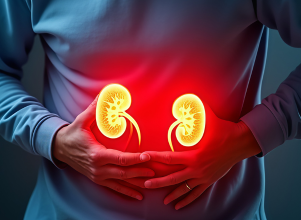
Glomerulonephritis is a condition in which the tiny filtering units of the kidneys, called glomeruli, become inflamed. These filters play a crucial role in removing waste and excess fluid from the blood while keeping important proteins and cells in the body. When they are damaged, the kidneys are no longer able to function efficiently.
Glomerulonephritis can develop suddenly or progress slowly over time. Some forms are mild and temporary, while others can lead to long-term kidney damage if not treated appropriately. Early diagnosis and careful management are key to protecting kidney health.
Symptoms
Symptoms vary depending on how quickly the condition develops and how much kidney function is affected. In early stages, some people may not notice any symptoms.
Common signs and symptoms include:
- Blood in the urine, which may appear pink, red, or cola-colored
- Foamy or frothy urine due to excess protein
- Swelling in the face, hands, feet, or ankles
- Reduced urine output
- Fatigue or weakness
- High blood pressure
In more severe cases, fluid buildup may cause shortness of breath or weight gain.
When to See a Doctor
Contact your healthcare provider if you notice:
- Blood or persistent foam in the urine
- Unexplained swelling of the face or limbs
- Ongoing fatigue or reduced urine output
- Newly diagnosed or worsening high blood pressure
Early evaluation can help prevent permanent kidney damage.
Causes
Glomerulonephritis can be caused by a wide range of conditions. In some cases, the exact cause may not be identified.
Possible causes include:
- Infections – such as strep throat or skin infections
- Autoimmune diseases – including lupus
- Vasculitis – which causes inflammation of blood vessels
- Chronic conditions – such as diabetes and high blood pressure
- Certain kidney diseases – including IgA nephropathy
Glomerulonephritis may also occur as part of a broader systemic illness affecting multiple organs.
Types of Glomerulonephritis
Glomerulonephritis is often classified based on how it develops and progresses.
Common types include:
- Acute glomerulonephritis – which develops suddenly, often after an infection
- Chronic glomerulonephritis – which progresses slowly over years
- Primary glomerulonephritis – affecting only the kidneys
- Secondary glomerulonephritis – caused by another underlying condition
Identifying the type helps guide treatment decisions.
Risk Factors
Factors that may increase the risk of developing glomerulonephritis include:
- Recent bacterial or viral infections
- Family history of kidney disease
- Autoimmune disorders
- Long-standing diabetes or high blood pressure
- Use of certain medications that affect kidney function
Complications
If left untreated or poorly controlled, glomerulonephritis can lead to serious complications.
These may include:
- Chronic kidney disease
- Nephrotic syndrome, marked by high protein loss in urine
- High blood pressure that is difficult to control
- Acute or chronic kidney failure
- Fluid overload affecting the lungs
Long-term follow-up is often needed, even after symptoms improve.
Diagnosis
Diagnosing glomerulonephritis involves a combination of clinical evaluation and testing to assess kidney function and identify the underlying cause.
Tests may include:
- Blood tests – to measure kidney function and immune markers
- Urine tests – to detect blood and protein loss
- Imaging studies – such as ultrasound
- Kidney biopsy – in selected cases to confirm the diagnosis
A biopsy can provide valuable information about the type and severity of inflammation.
Treatment Options
Treatment depends on the cause, type, and severity of glomerulonephritis. The goal is to reduce inflammation, control symptoms, and prevent further kidney damage.
Treatment may include:
- Medications – to control blood pressure and reduce protein loss
- Immunosuppressive therapy – for autoimmune-related causes
- Antibiotics – if an infection is present
- Dietary changes – such as limiting salt and protein intake
- Diuretics – to reduce swelling
In advanced cases, dialysis or kidney transplant may be required.
Prevention and Long-Term Care
Not all cases of glomerulonephritis can be prevented, but early treatment and ongoing care can slow disease progression.
Helpful measures include:
- Prompt treatment of infections
- Careful control of blood pressure and diabetes
- Regular monitoring of kidney function
- Following medication and dietary advice closely
With timely diagnosis and expert care, many people with glomerulonephritis are able to maintain stable kidney function.